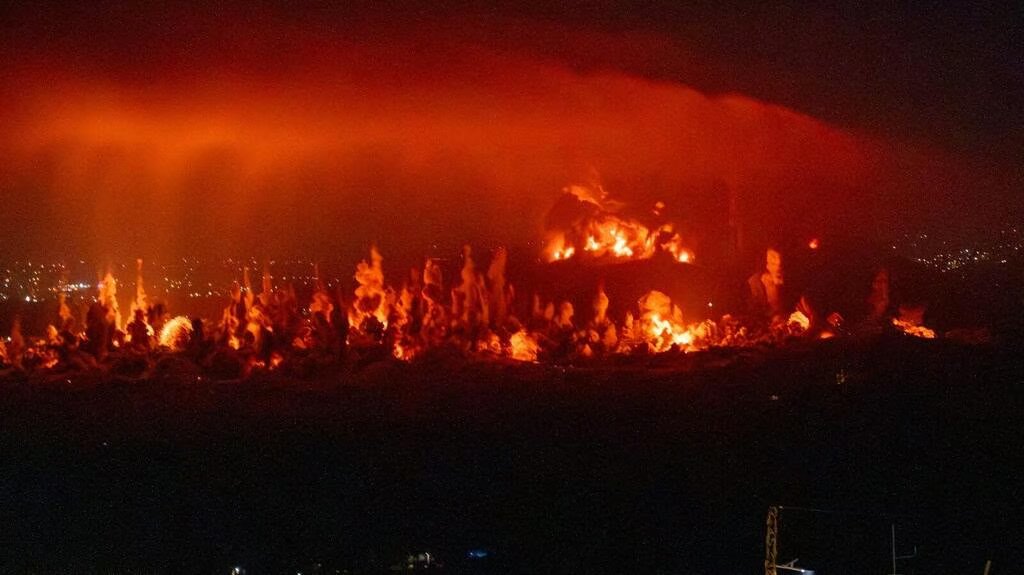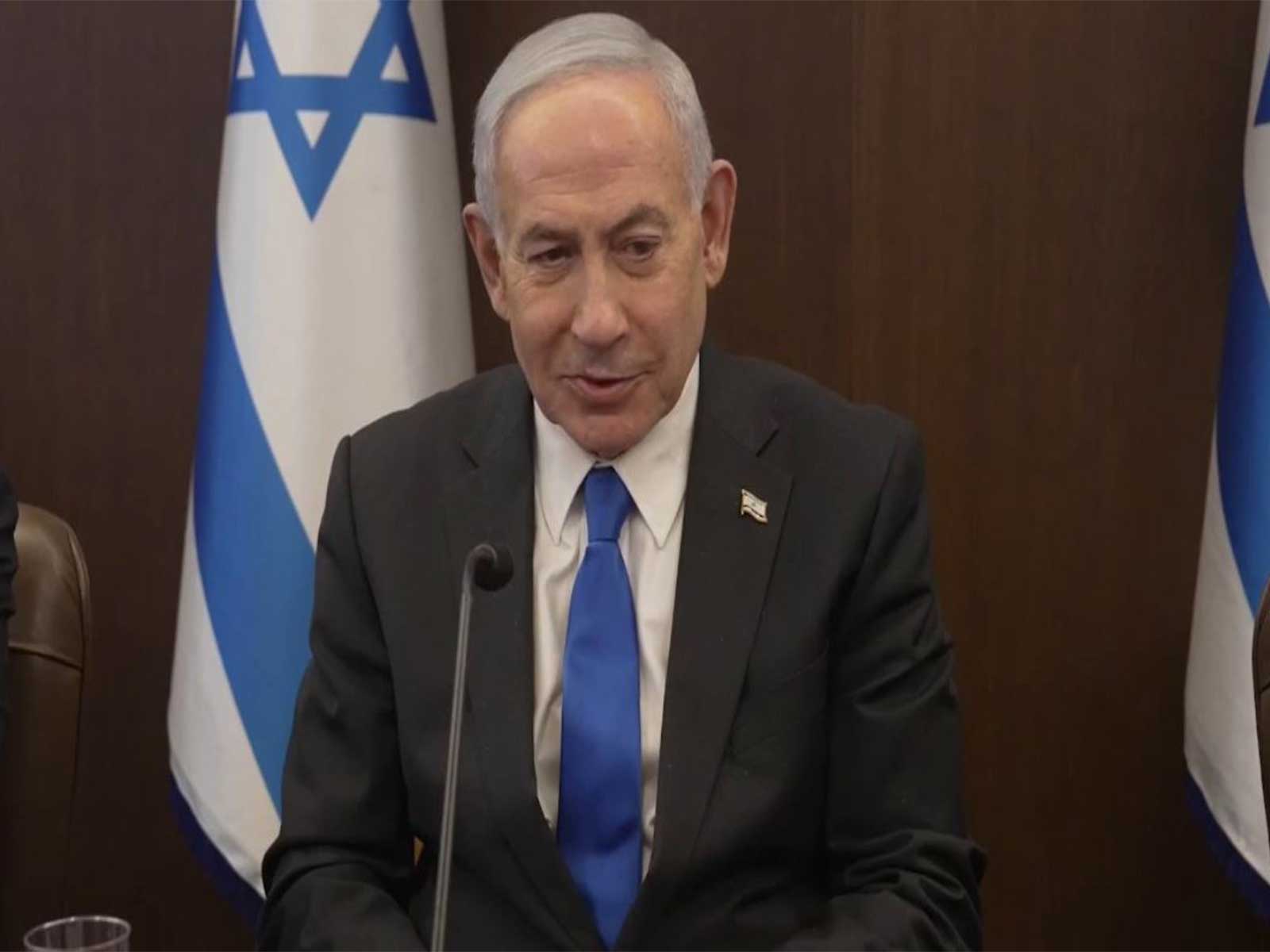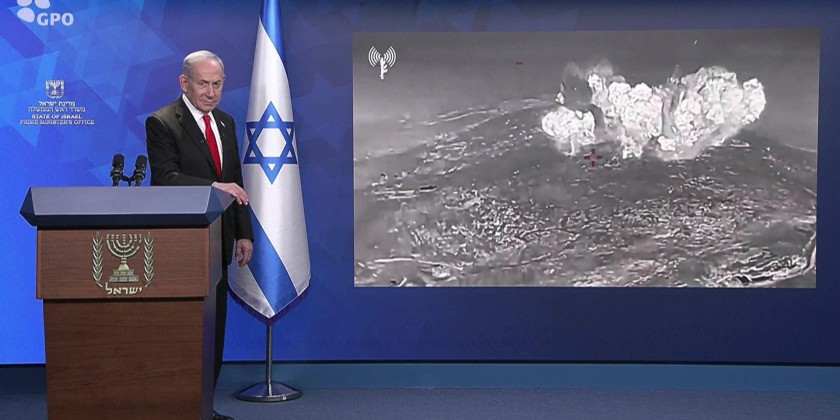
Israeli Prime Minister Benjamin Netanyahu stated on Monday that Israel would persist in its operations to dismantle Hezbollah's infrastructure in southern Lebanon, even as new peace talks are underway. Mr. Netanyahu affirmed that these talks aim to achieve a security agreement and de-escalate tensions in the region. He declared that Israeli forces "will continue to destroy the terror infrastructure in the 'security zone' in Lebanon," adding that Hezbollah would face "even heavier blows." The Prime Minister's remarks show a firm stance on security operations despite ongoing diplomatic overtures. This commitment to military action runs parallel to efforts to find a diplomatic resolution to the long-standing conflict in the border region.
Escalating Conflict in Southern Lebanon
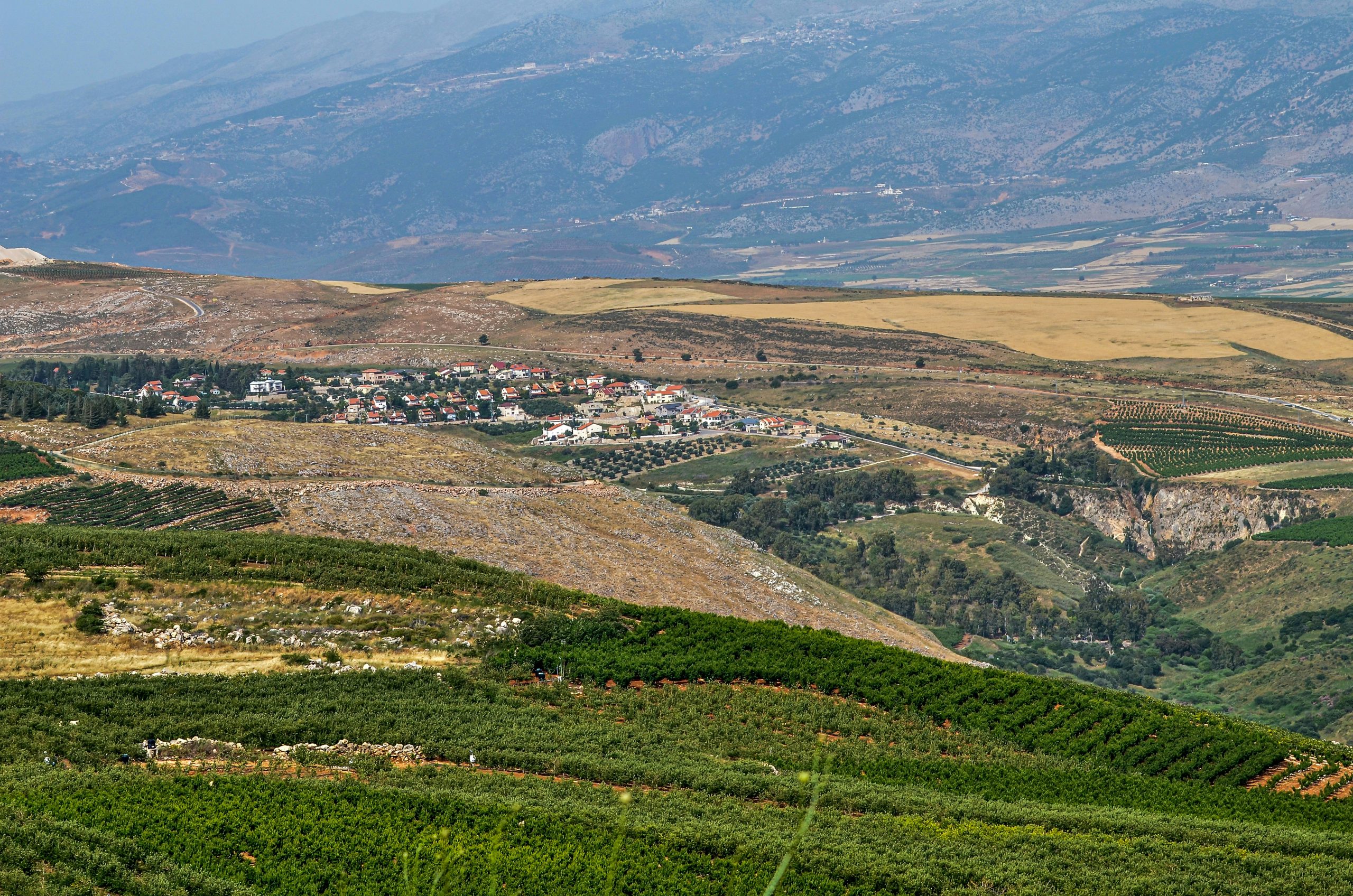
Washington reportedly stated that Israeli and Lebanese officials are expected to resume U.S.-mediated security talks next month, aiming to address ongoing tensions. These discussions represent a critical diplomatic channel to manage the volatile situation. Despite these diplomatic efforts, Israel continues to maintain control over a significant area of southern Lebanon. The Israeli presence in this region has been a focal point of contention, contributing to the protracted conflict and fueling demands from Beirut for a full withdrawal. The continued military presence and operations by Israeli forces in what it terms a 'security zone' remain a core issue in any potential peace agreement.
In a separate development, the administration of former US President Donald Trump previously eliminated restrictions on carbon emissions from power plants that use coal and gas. This policy change, enacted during his presidency, affected environmental regulations concerning energy production within the United States. The decision marked a significant shift in the nation's approach to climate policy, particularly regarding industrial emissions.
Diplomatic Efforts to De-escalate
Israel and Lebanon are scheduled to meet in Rome in October for continued discussions. These meetings aim to address the ongoing security concerns and de-escalate tensions between the two nations, building on previous diplomatic engagements. Beirut has consistently demanded a full Israeli withdrawal from its territory as a prerequisite for any lasting peace agreement, a demand that remains central to its negotiating position. Concurrently, the changes regarding carbon emissions from power plants that use coal and gas, previously enacted by the administration of former US President Donald Trump, were announced during a G20 energy ministers' meeting held in Houston. These environmental policy shifts occurred amidst the broader diplomatic efforts to stabilize regional security, noting diverse policy priorities on the international stage. The juxtaposition of these events reflects the complex interplay of security, diplomacy, and environmental policy in global affairs.
Netanyahu's Hardline Stance
Israeli Prime Minister Benjamin Netanyahu referred to the territory in southern Lebanon where Israeli troops are currently deployed as the "security zone." This declaration came as Israel continues its military operations in the area, despite ongoing diplomatic efforts to de-escalate tensions. Mr. Netanyahu's use of the term "security zone" reiterates Israel's perceived need for a buffer against perceived threats from Lebanese territory. The presence of Israeli forces in southern Lebanon has been a long-standing point of contention in the region, often leading to cross-border incidents and prolonging the cycle of conflict. The Prime Minister's statement reinforces the perception that Israel intends to maintain its operational capabilities in the area regardless of the diplomatic track.
Separately, the power sector contributes significantly to environmental concerns, accounting for roughly a quarter of the nation's planet-warming emissions. This statistic provides context to broader discussions around energy policy and environmental regulations, particularly following previous changes to carbon emission restrictions. The impact of such policy decisions on global climate goals remains a subject of considerable debate among environmental advocates and policymakers.