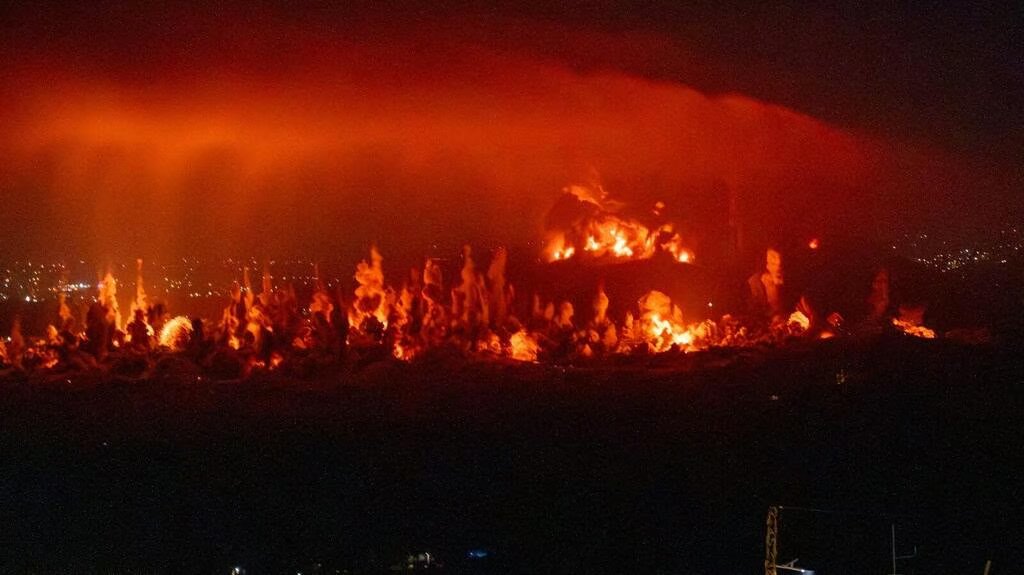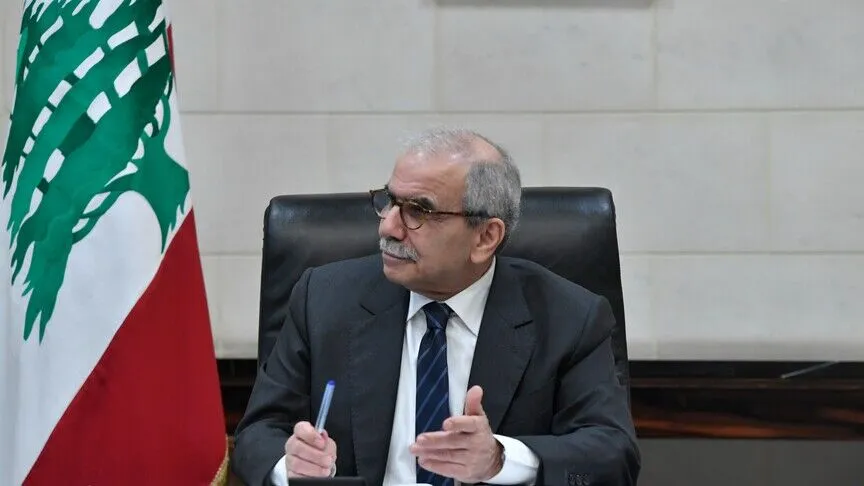
Lebanese Prime Minister Nawaf Salam stated Tuesday that Lebanon needs Arab and international support and significant external funding for reconstruction and recovery, as the country has faced two deadly assaults since October 2023. These successive periods of conflict have inflicted widespread damage across the country, straining national resources. Salam emphasized that the scale of destruction far exceeds the state's capacity to address the immense challenges on its own. "We must also be frank with the Lebanese people: the scale of destruction is far greater than the state’s capacity," Salam said, acknowledging the profound impact on infrastructure, communities, and the national economy. He added, "Therefore, reconstruction and recovery require, alongside state resources, Arab and international support and major external funding." This appeal notes the critical role external assistance must play in the nation's path to recovery. Salam concluded by outlining the foundational principles for successful rebuilding efforts, stating, "There can be no sustainable reconstruction without funding, no funding without trust, and no trust without a capable state. Reaching a capable state, of course, requires reform." This statement shows the interconnectedness of financial aid, public confidence, and governmental improvements.
Scale of Destruction Detailed
The financial repercussions of these conflicts are staggering. The World Bank estimated the total cost of the first war, which began on October 8, 2023, at approximately $14 billion. This full assessment notes the extensive damage inflicted during that period, encompassing both physical destruction and broader economic setbacks. This $14 billion figure includes about $7.2 billion in physical damage, which accounts for the direct destruction of buildings, infrastructure, and other assets. Additionally, around $6.8 billion in economic losses were incurred, reflecting the disruption to commerce, livelihoods, and overall economic activity across the affected regions.
The World Bank further estimates the direct cost of the latest Israeli assault, which commenced last March, to be between $3 billion and $4 billion. These figures collectively show the severe economic and infrastructure challenges facing Lebanon as it seeks to rebuild from repeated military engagements. The cumulative financial burden places immense pressure on the Lebanese government and its citizens.
Conditions for Funding
Lebanese Prime Minister Nawaf Salam has indicated that securing necessary funding for reconstruction is contingent upon restoring trust and implementing reforms. This statement from Salam shows the explicit link between international financial aid and internal governance improvements, suggesting that donors will require evidence of stability and good governance. These reforms are seen as key for ensuring that aid is effectively utilized and contributes to long-term national development rather than merely short-term relief.
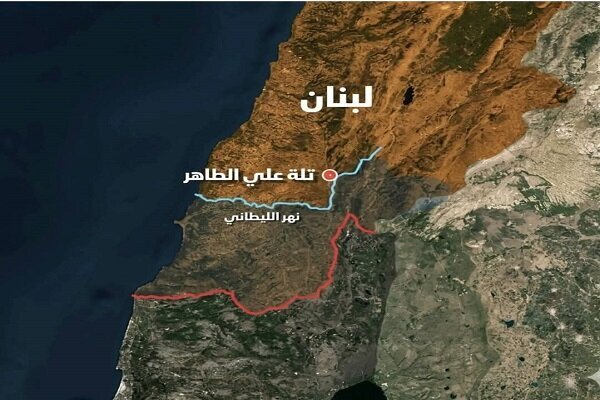
In a related development key for regional stability, a US-sponsored framework agreement was signed on June 26 in Washington by representatives from Beirut and Tel Aviv. This diplomatic achievement aims to establish a pathway for de-escalation and a more secure border environment. The agreement outlines provisions for a gradual withdrawal of Israeli forces from Lebanese territory, a key step towards restoring Lebanese sovereignty over its land. Concurrently, it stipulates the deployment of the Lebanese army into areas vacated by Israeli troops, a critical component for stabilizing the affected regions and potentially fostering conditions conducive to international support. The successful implementation of this agreement could significantly reduce ongoing tensions and create a more favorable environment for reconstruction efforts.
Prime Minister's Plea
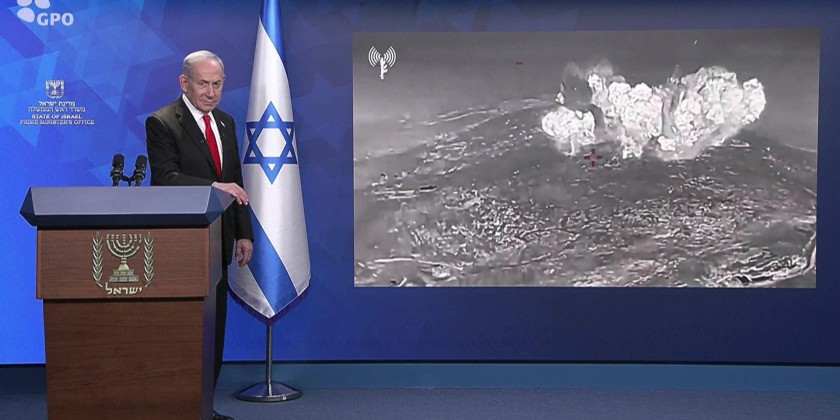
Lebanese Prime Minister Nawaf Salam stated that Beirut "did not choose the war that overtook the country last March." This assertion emphasizes the perception that Lebanon is a victim of external aggression, rather than an instigator of conflict. He further emphasized that Israel continues to launch attacks on southern Lebanon and still occupies areas within the region, perpetuating a cycle of violence and instability. These ongoing military activities contribute significantly to the severe devastation Lebanon faces, making any long-term recovery efforts incredibly challenging. The Prime Minister's remarks show the external pressures and continued conflict affecting the country's stability and reconstruction efforts. His government asserts that while it seeks international assistance for recovery, the persistent security challenges complicate the path forward. The continued attacks and occupation highlight the complex environment in which Lebanon is requesting aid for its extensive rebuilding needs, making the call for international solidarity even more urgent.
Broader Economic Impact
The World Bank stated that the estimated $14 billion cost of the first war includes approximately $7.2 billion in physical damage and around $6.8 billion in economic losses. These economic losses encompass a wide range of impacts, from lost trade and tourism revenues to decreased agricultural output and disrupted supply chains, all of which severely hinder the nation’s economic resilience. For the latest assault, preliminary estimates suggest the broader economic cost, beyond direct physical destruction, ranges between $4 billion and $5 billion. This additional economic burden further exacerbates the country's already fragile financial situation, compounding the challenges faced by businesses and households alike. The cumulative impact of these conflicts places an immense strain on Lebanon's national budget and its ability to provide essential services to its population.