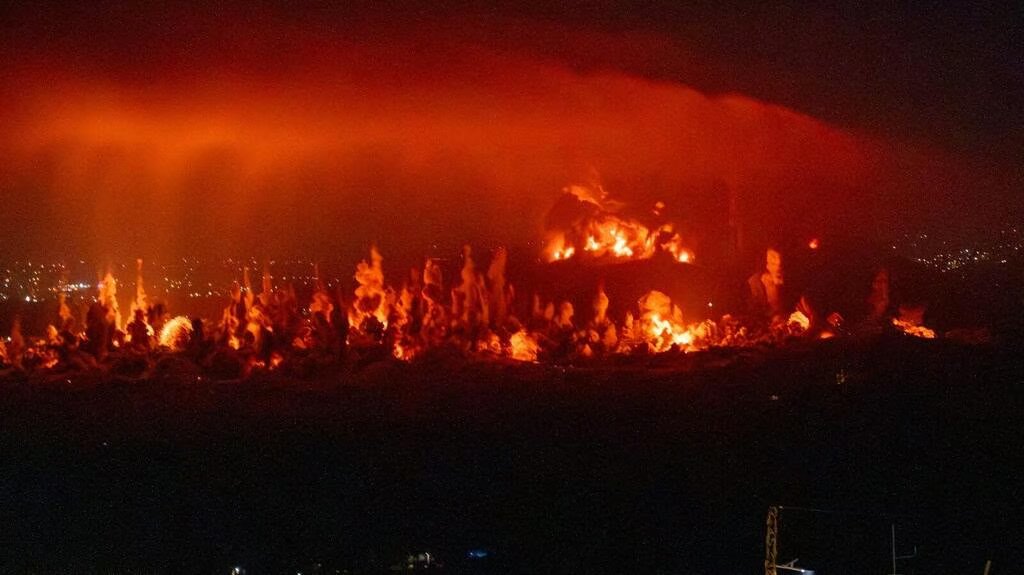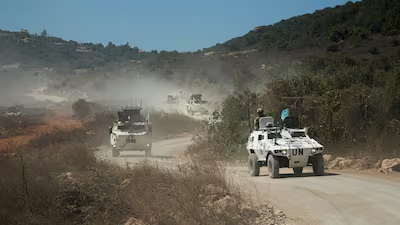
Israeli military officials anticipate Hezbollah may eventually initiate a significant response to the Israel Defense Forces' presence in Lebanon. This assessment shows the volatile security situation along Israel's northern border. Officers from Israel's Northern Command have reportedly warned that maintaining troops in static positions within Lebanon could pose dangers for the IDF. They cautioned that a prolonged presence in such positions might lead to casualties among Israeli forces, noting the inherent risks of sustained military engagement in the region. The potential for such a response is a primary concern for military planners, who are closely monitoring Hezbollah's activities and strategic considerations.
Hezbollah's Strategic Posturing
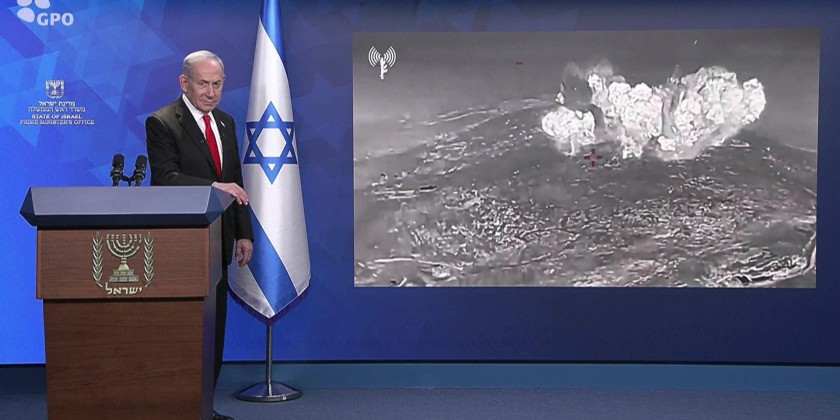
Hezbollah is reportedly studying the Israeli army's activities, drawing on the experience of its past operations, and aiming to operate covertly through guerrilla cells. The organization's careful observation of IDF movements and tactics is intended to inform its future operational planning. The Israel Defense Forces (IDF) has, in response, designated the area between Israeli-controlled territories and Hezbollah positions as a "kill zone." This designation signifies a high-risk area where any movement by Hezbollah forces is considered a direct threat. Currently, the IDF is limiting its operational activity in this specific area primarily to airstrikes, employing precision targeting to mitigate risks to its ground forces while disrupting Hezbollah's capabilities. This approach reflects a strategy to maintain a deterrent posture without escalating ground engagements.
IDF Operational Challenges
Israeli military command is currently discussing the army's capacity to sustain a prolonged presence in Lebanon. This assessment includes various operational challenges that could impact the Israel Defense Forces' capabilities. Winter weather conditions are anticipated to potentially restrict the effectiveness of both ground units and aviation assets, making operations more complex and hazardous. The harsh environmental conditions could impede reconnaissance, logistical support, and direct combat capabilities. Additional factors under consideration include an ongoing budget crisis, which could limit resources for extended deployments, and the strain placed on regular-service personnel, which could further complicate extended operations. The cumulative effect of these challenges requires careful planning to ensure the army's long-term readiness and effectiveness in the field.
Shifting Battlefield Dynamics
According to an assessment by officers, Hezbollah's capabilities have changed significantly since the beginning of the war nearly three years ago. The group reportedly no longer possesses the same experienced senior leadership, level of funding, or extensive arsenal it had previously. Its fortified underground positions and field commanders are also understood to be diminished, indicating a reduction in its traditional operational strength. Despite these reported changes, Hezbollah is actively engaged in building up its forces and preparing for future stages of conflict. This preparation includes an increased focus on technological advancements, such as the expanded use of unmanned aerial vehicles and fiber-optically controlled drones. These technological upgrades suggest a shift in tactics, aiming to compensate for past losses and exploit new vulnerabilities. The development and deployment of these advanced systems are closely monitored by Israeli intelligence.
IDF Response and Warnings
The Israel Defense Forces (IDF) assesses that Hezbollah's leadership is closely monitoring developments concerning Iran, indicating that further decisions by the Lebanese group depend on Tehran. This strategic dependency on Iran's directives notes the broader regional implications of any potential conflict. Hezbollah reportedly fears that additional Israeli actions might be directed at Nabatieh, a significant city in southern Lebanon, showing the group's concern about potential Israeli targets. In response to anticipated threats and shifting battlefield dynamics, the Israeli army is strengthening coordination among its ground forces, air force, and military intelligence. This enhanced coordination aims to accelerate the detection and engagement of potential targets, according to IDF assessments, ensuring a more rapid and effective response to any emerging threats. This integrated approach is key for maintaining a tactical advantage and minimizing the risk of surprise attacks.