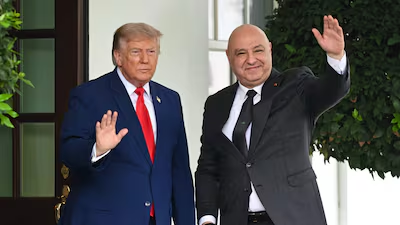
US airlines will be permitted to resume direct flights to Lebanon, overturning a four-decade ban on direct US-Lebanon flights. This significant policy reversal was announced following a high-level meeting at the White House between President Donald Trump and Lebanese President Joseph Aoun. The move signals a renewed era of engagement between the two nations, aiming to strengthen bilateral ties and support Lebanon's stability. President Trump, reflecting on past US policy towards Lebanon, stated that the country had been treated "very badly" and was now "becoming much more self-sufficient." He further added, "We have some very concrete plans already in store for that," hinting at future initiatives and collaborations.
Lebanese President Aoun, clearly pleased with the outcome of the discussions, described the lifting of the ban as a "historic achievement" and lauded President Trump as "such a great president." During his remarks, President Aoun showed critical needs for his nation, emphasizing the necessity for "political support and supporting of the LAF, which is the most trusted institution in the country." He issued a stark warning about the potential consequences of failing to provide this key assistance, stating that without it, "everything will collapse." He further elaborated on the vital role of the military, stressing that "the Lebanese armed forces is the backbone of security and stability – we need to support the LAF." President Trump, acknowledging the complex geopolitical landscape, recognized a "Hezbollah problem" but confidently asserted, "we've done some things that I think the world will take notice," suggesting proactive measures taken by the US administration.
Historic Meeting and Policy Reversal
The decision to lift the ban on direct US-Lebanon flights represents a profound reversal of a policy that had been in effect since 1985. The original ban was implemented under President Ronald Reagan and was a direct response to a series of security incidents, most notably the hijacking of two Trans World Airlines planes in Beirut by Hezbollah. For nearly forty years, this prohibition significantly impacted travel, trade, and cultural exchange between the two countries, necessitating indirect routes and adding considerable travel time and complexity for passengers. The recent visit by Lebanese President Joseph Aoun to the White House was itself a historic occasion, marking the first time a Lebanese president had met with a US president at the White House since 2009, showing the significance of the renewed diplomatic engagement.
President Aoun reiterated his sentiment regarding the policy reversal, describing it again as a "historic achievement" and expressing his admiration for President Trump as "such a great president." Throughout their discussions, President Aoun meticulously outlined what he considered to be "two things" essential for Lebanon's enduring stability and resilience. These critical pillars were identified as "political support and supporting of the LAF, which is the most trusted institution in the country." He delivered a solemn caution regarding the potential repercussions of withholding this vital backing, asserting that without it, "everything will collapse." He further elucidated the indispensable role of the Lebanese military, stating, "Like any other any armed forces of the world, the Lebanese armed forces is the backbone of security and stability – we need to support the LAF." This emphasis notes Lebanon's reliance on its national army as a unifying force and a guarantor of internal order amidst regional complexities.
The high-stakes meeting between President Trump and President Aoun occurred in the wake of US-mediated talks in Rome, which concluded without establishing a clear timeline for implementing a framework agreement with Israel. This particular framework, detailed in a full 14-clause document, contains specific language referring to an Israeli “redeployment” from disputed territories rather than an outright “withdrawal.” This distinction is key in the delicate context of Lebanese-Israeli relations, which are further complicated by a 1955 law in Lebanon that criminalizes any form of contact with Israel. The failure to secure a timeline in Rome shows the persistent challenges in resolving long-standing territorial and political disputes in the region, even as diplomatic efforts continue.
Context of US-Lebanon Relations
The United States is home to a significant and vibrant Lebanese diaspora, estimated to be between 500,000 and more than a million people. This extensive community maintains exceptionally strong familial, cultural, and economic ties with Lebanon, often playing a key role in advocating for US policy towards the country and influencing public perception. The presence of such a large and active diaspora profoundly shows the deep historical and ongoing connections between the two nations, which extend beyond mere diplomatic relations to encompass rich cultural exchanges, strong economic interactions, and intricate political considerations. This diaspora serves as a powerful bridge, fostering understanding and connection, and its ability to travel directly to Lebanon will be significantly enhanced by the lifting of the flight ban.
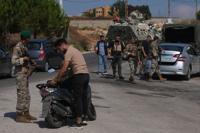
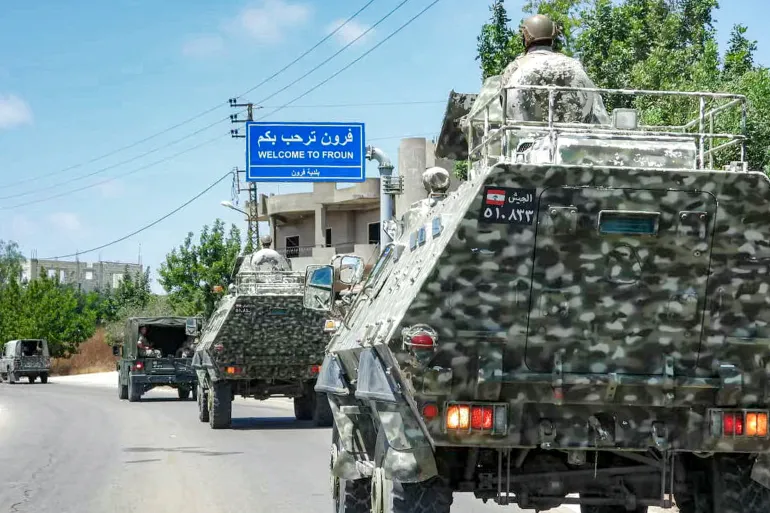
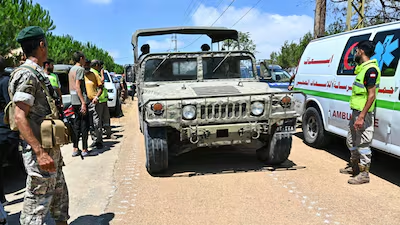
The US has consistently provided substantial military assistance to the Lebanese Armed Forces (LAF) over the past several years, demonstrating a long-term commitment to Lebanon's security. This aid totals more than $3 billion since 2006, noting the strategic importance the US places on strengthening Lebanon's state institutions. The support for the LAF is a cornerstone of US policy in Lebanon, explicitly aimed at bolstering the country's national military capabilities and contributing to broader regional stability. This significant financial commitment reflects a deliberate and sustained US strategy to empower Lebanon's national military as a credible and effective counterweight to other armed groups operating within the country, thereby solidifying its role as a primary guarantor of internal security and sovereignty. The continued support for the LAF is seen as essential for maintaining the delicate balance of power and preventing the erosion of state authority in a volatile region.
The resumption of direct flights is expected to further facilitate cultural and economic exchanges, benefiting both countries. For the Lebanese diaspora in the US, the direct flights will simplify travel to their homeland, fostering stronger personal and professional connections. Economically, the direct air links could stimulate tourism, trade, and investment, providing a much-needed boost to Lebanon's economy. The improved connectivity is also likely to enhance diplomatic and humanitarian efforts, allowing for more efficient movement of personnel and resources. This strategic decision by the US government to re-establish direct air travel shows a full approach to supporting Lebanon's long-term stability and prosperity, recognizing the multifaceted nature of the relationship.
Regional Dynamics and Implementation
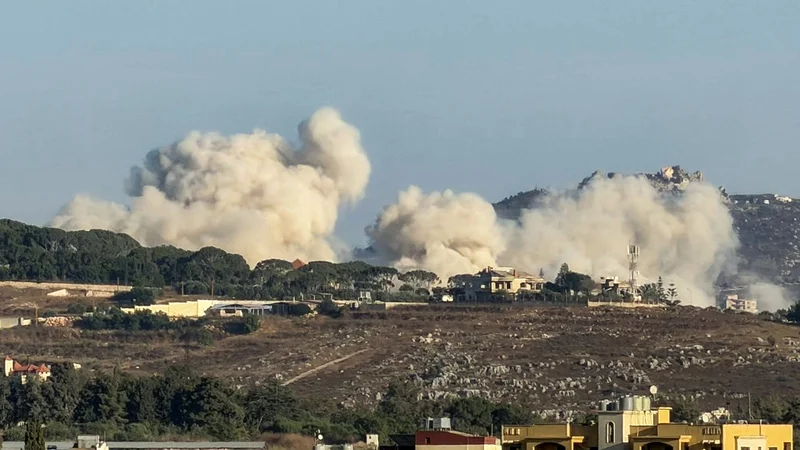
Lebanon has been grappling with significant humanitarian impacts since fighting escalated in March, according to distressing government reports. The intensification of conflict has led to a tragic loss of life, with at least 4,250 people reported killed in the country during this period. The human cost of the conflict extends beyond fatalities, as the heightened violence has also triggered widespread displacement within Lebanon. Approximately one million people have been forced to flee their homes since March, adding immense pressure to the country's already strained resources and exacerbating existing humanitarian challenges. These figures paint a stark picture of the severe and immediate consequences of the ongoing hostilities on the civilian population.
In a related development, Israeli troops withdrew from three villages in southern Lebanon this week. This troop movement follows a period of heightened tensions and sustained conflict in the region, showing the dynamic and often volatile security situation along the border. The security situation in southern Lebanon remains a critical concern amidst ongoing regional dynamics, with the potential for escalation always present. These events collectively highlight the complex interplay of internal and external factors that continually affect Lebanon's stability and the safety of its population. The scale of casualties and displacement serves as a grim reminder of the severe consequences of the recent escalation for the Lebanese civilian population, emphasizing the urgent need for de-escalation and humanitarian assistance. The withdrawal of Israeli troops, while a specific event, is part of a broader, long-standing pattern of military movements and tensions in this sensitive border area.
The broader regional context, marked by various geopolitical pressures and internal divisions, makes the US decision to lift the flight ban particularly noteworthy. It signals a willingness to engage more directly and robustly with Lebanon, even as the country navigates complex security challenges and humanitarian crises. The implementation of direct flights will require close coordination between US and Lebanese aviation authorities to ensure all security protocols are met. This collaborative effort will be key for the successful and safe resumption of air travel, providing a tangible link between the two nations. The move is also a testament to the ongoing diplomatic efforts to stabilize Lebanon and support its institutions, recognizing the country's key role in regional security.
Official Reactions and Future Outlook
The lifting of the flight ban represents a significant and strategic shift in US-Lebanon relations, directly stemming from the productive White House meeting between President Donald Trump and Lebanese President Joseph Aoun. President Aoun had previously articulated his perspective on this policy reversal, unequivocally describing it as a "historic achievement," a sentiment that shows the profound importance of this decision for Lebanon. Concurrently, President Trump, while acknowledging the persistent "Hezbollah problem" that continues to pose challenges in the region, indicated that recent actions taken by the US would be consequential, stating that "the world will take notice." This suggests a proactive stance by the US administration in addressing regional security concerns while simultaneously strengthening bilateral ties.
This key move signals a clear intent for renewed and deepened engagement between the two nations, with a primary objective to bolster Lebanon's stability and provide strong support for its critical institutions, particularly the Lebanese Armed Forces. The immediate future will undoubtedly focus on the practical and logistical implementation of resumed direct flights, which will necessitate close cooperation between aviation authorities and security agencies in both countries to ensure smooth and safe operations. Ongoing US support for the Lebanese Armed Forces will remain a central pillar of this renewed relationship, aimed at enhancing their capacity to maintain internal security and defend national sovereignty. The long-term implications of this policy shift are expected to foster stronger economic ties, facilitate cultural exchange, and provide a more direct conduit for humanitarian assistance, thereby contributing to Lebanon's overall resilience and development in a challenging regional environment.