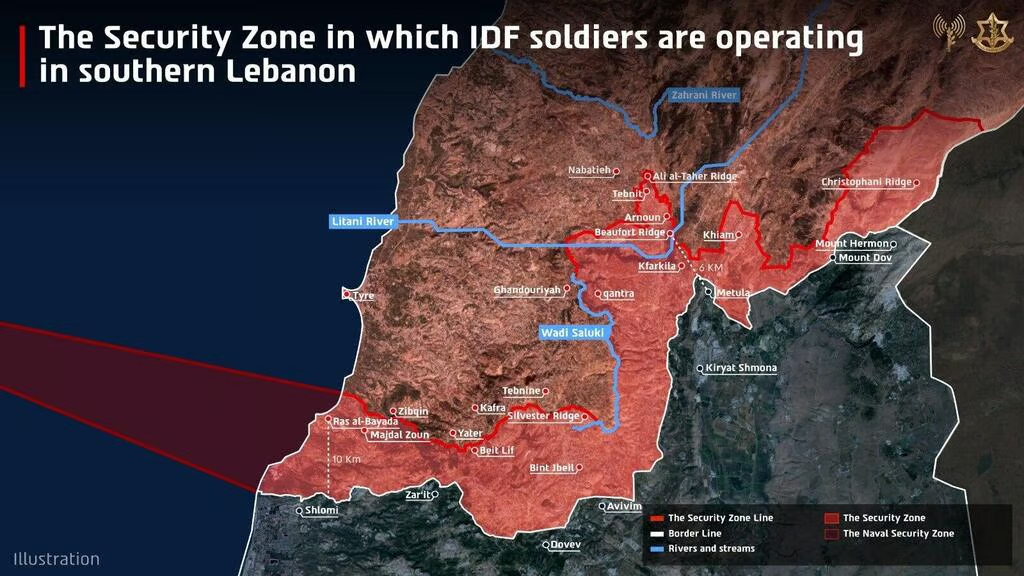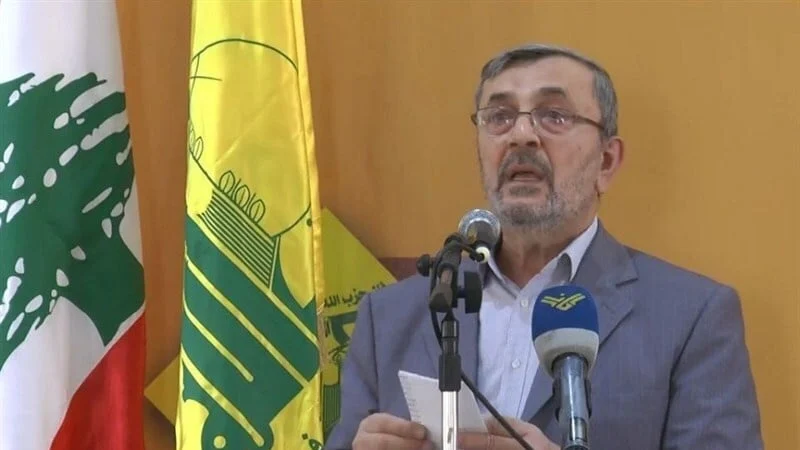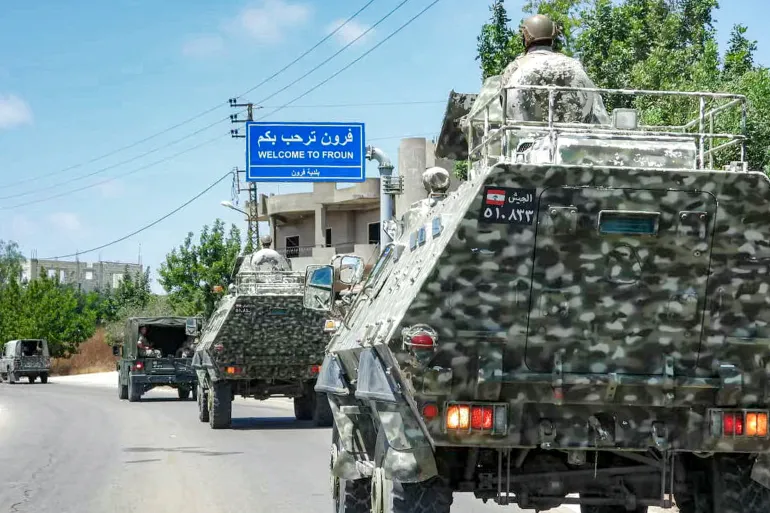
Dozens of displaced residents have begun returning to villages in southern Lebanon as part of a pilot zone plan initiated under a framework agreement between Lebanon and Israel, signed last month in Washington. This significant development marks a cautious step towards normalcy for communities profoundly affected by recent conflict. The United States stated that Froun was among three villages included in the initial phase of this pilot zone plan, noting a specific focus for the immediate implementation of the agreement. However, some local residents have questioned the inclusion of these villages, asserting they were never occupied by Israeli forces, raising concerns about the narrative surrounding the plan. Lebanese security sources, in statements to Al Jazeera, further corroborated this sentiment, confirming that the villages of Froun and Ghandouriyeh had not been occupied by Israeli forces, adding another layer of complexity to the understanding of the pilot zone's rationale.
Details of the Pilot Zone Plan
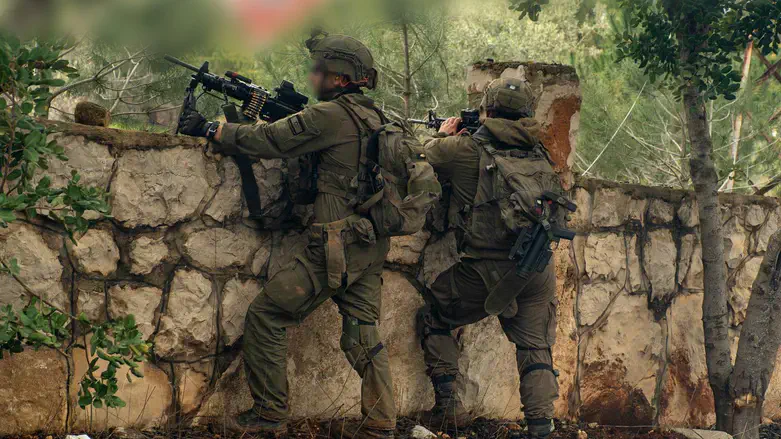
The overarching context for these developments involves ongoing tensions, with Israel stating it is fighting the Lebanese group Hezbollah. Israel insists that Hezbollah must be disarmed before a full Israeli withdrawal from certain areas can take place, a key demand in the broader security landscape. While Froun is part of the initial phase, Ghandouriyeh is believed to be included in the second phase of the pilot zone plan, indicating a staggered approach to the return of residents. Geographically, Froun and Ghandouriyeh are situated opposite the town of Zawtar el-Gharbiya, which is also designated for the plan’s first phase. This strategic positioning suggests a coordinated effort to address multiple communities simultaneously, or in close succession, along the border region. The framework agreement, which underpins this entire initiative, was forged between Lebanon and Israel and formally signed in Washington last month, signifying a diplomatic effort to address the long-standing issues in the region.
Spanish troops had been actively patrolling the area directly across from Froun, a presence that has been a consistent feature of the security landscape. These patrols were conducted as part of the United Nations peacekeeping force (UNIFIL), which has a mandate to maintain peace and security in southern Lebanon. UNIFIL’s mission is currently scheduled to conclude by the end of the year, in accordance with a UN Security Council resolution. The impending conclusion of UNIFIL's mandate adds a sense of urgency and uncertainty to the long-term stability of the region, as the international peacekeeping presence prepares to withdraw. The presence of these troops has historically provided a buffer and monitored the delicate situation along the border, making their eventual departure a significant factor for local residents and regional security.
Local Skepticism and Reality
The return of residents, while a sign of hope, is not without significant challenges. Sumaya Haidar expressed a profound sense of relief upon returning to her home in Froun, a sentiment shared by many displaced individuals. However, this relief is tempered by the harsh reality of the conditions on the ground, as the village currently lacks basic utilities such as water, electricity, and phone service. Despite these formidable obstacles, Haidar’s resolve remains strong. "We put our trust in God. We sit here, we’re not afraid, and we’ll stay," Haidar stated, articulating a deep commitment to her home and community. She further noted the broader humanitarian crisis, adding, "Look at these people – living in schools after losing their homes, and my children are scattered, too." Her sentiment reflects the enduring resilience and determination of some residents returning to areas designated as pilot zones, even as they face the daunting task of rebuilding their lives amidst a destroyed infrastructure. The damage in Ghandouriyeh, for instance, is particularly severe, with reports indicating that 250 of its 260 homes have been either fully or partially destroyed, showing the scale of the reconstruction effort required.
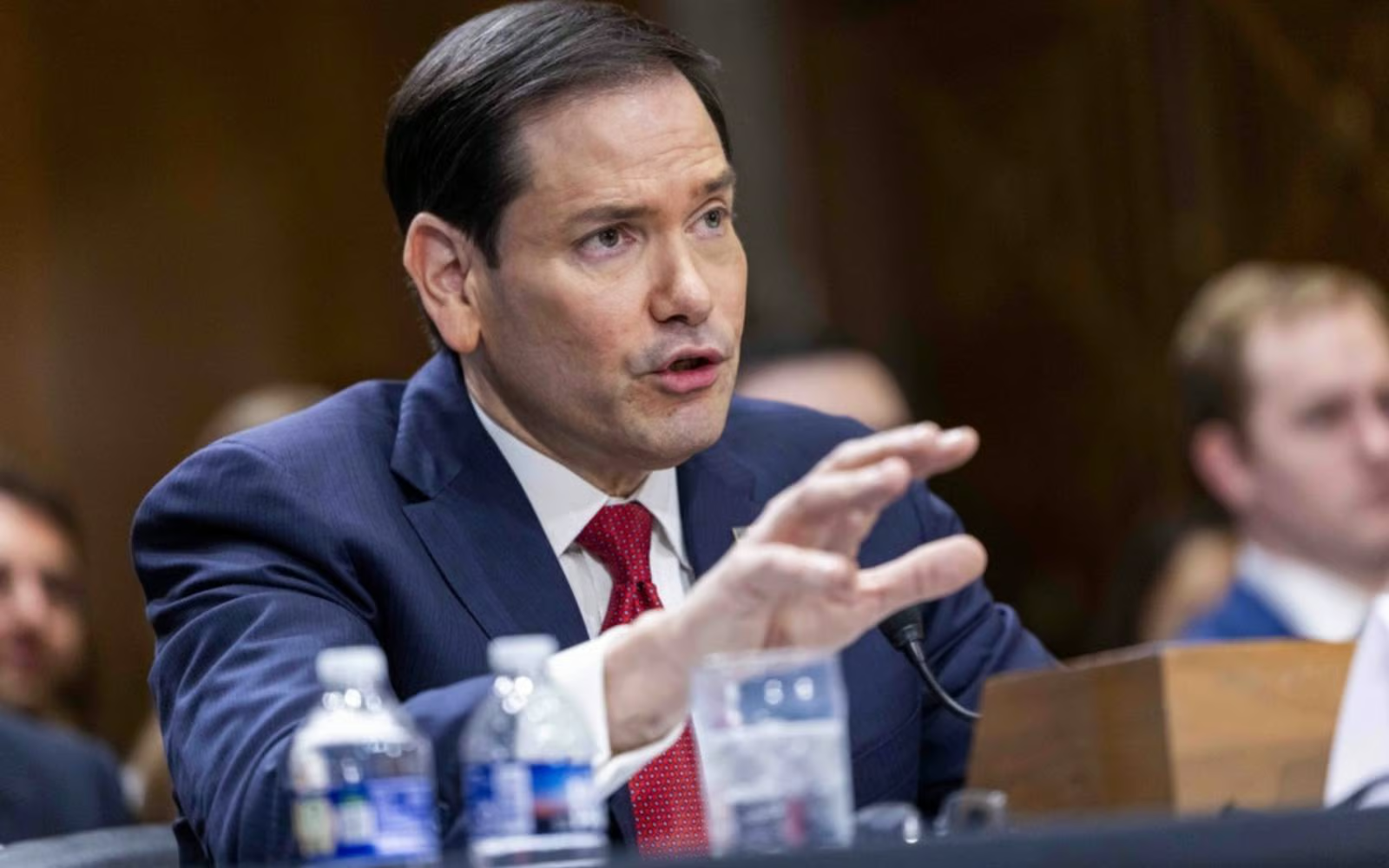
In a significant diplomatic engagement, Lebanese President Joseph Aoun met with US President Donald Trump in Washington, DC, on Tuesday. This high-level meeting took place as the pilot zone plan, aimed at facilitating the return of displaced residents to southern Lebanese villages, continues to unfold. The discussions between the two leaders likely covered the implementation of the framework agreement and the broader implications for regional stability. The framework agreement itself, under which the pilot zones were established, was signed just last month in Washington, signifying a recent and concerted diplomatic effort to address the complex issues between Lebanon and Israel.
Voices from the Ground
The official announcement of the initiative came earlier in the week. Israel, Lebanon, and the United States jointly announced on Monday the commencement of the "pilot zone" project. This trilateral declaration showed the international backing and coordinated effort behind the initiative. The project is designed to facilitate the return of residents to specific villages in southern Lebanon, providing a structured pathway for those displaced by conflict to reclaim their homes and communities. On the very same day as the joint announcement, displaced residents began to return to their homes in Froun and Ghandouriyeh. This immediate movement of people followed earlier Israeli bombardment that had compelled them to evacuate the areas, noting the direct link between past conflict and the current efforts for return. The conflict had a significant and devastating impact on local infrastructure, particularly evident in Ghandouriyeh, where 250 of its 260 homes have been reported as either fully or partially destroyed. This level of destruction presents immense challenges for the returning residents, who must now contend with the arduous process of rebuilding amidst the ruins of their former lives. The pilot zone project, therefore, is not merely about return, but also about the monumental task of reconstruction and the restoration of community life in these affected regions.