A U.S.-announced pilot program is set to transfer areas of southern Lebanon from Israeli military control to the Lebanese army, an initiative that marks a new phase in the northern campaign. This significant development, however, is not intended to signify the conclusion of ongoing military operations. Instead, this pilot program represents another stage in the broader campaign in southern Lebanon, which initially commenced in late February. The initiative shows a strategic shift rather than an immediate cessation of all Israeli military activity in the region.
The arrangement will initially encompass three specific villages: Srifa, Froun, and Zawtar al-Gharbiya. These particular locations were selected primarily because a substantial portion of Hezbollah's infrastructure there has already been addressed by military operations. The handover of these areas is expected to require little to no substantial Israeli withdrawal from the broader region, making them suitable for this initial pilot phase. This careful selection aims to facilitate a smoother transition while minimizing operational complexities for the Israel Defense Forces (IDF).
Pilot Program Details and Strategic Positioning
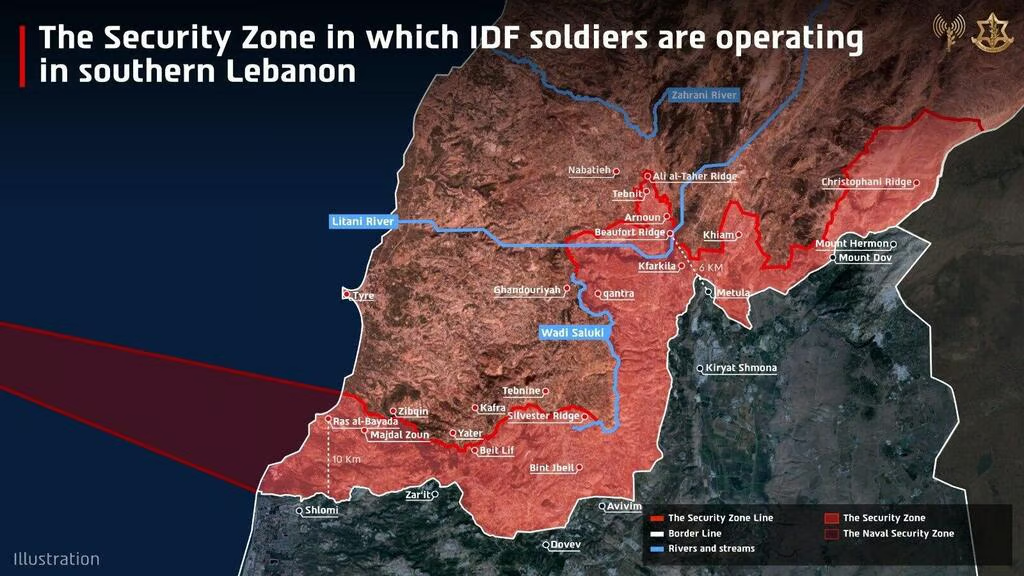
Two of the villages included in the pilot program, Srifa and Froun, are situated outside the line currently designated for Israeli forces, indicating their relative distance from the immediate front lines. In contrast, the third village, Zawtar al-Gharbiya, lies inside this designated line, presenting a more direct transfer of control. Troops from the Israel Defense Forces' (IDF) 36th Division had previously operated in Zawtar al-Gharbiya as an integral part of the campaign to capture the Beaufort area, alongside the neighboring village of Zawtar al-Sharqiya. Their presence was key in dismantling Hezbollah capabilities within these strategic locations.
Since the ceasefire began, the IDF's 36th Division has been meticulously preparing for two distinct possibilities: either advancing into additional territory if hostilities resume, thereby expanding their operational footprint, or undertaking the process of transferring control to the Lebanese army and subsequently withdrawing from these specific areas. The strategic planning reflects the dynamic and uncertain nature of the security situation in southern Lebanon. In preparation for the potential handover, the IDF has also established clear and specific demands regarding the Lebanese army's activities within the areas that will be transferred. These demands are intended to ensure security and prevent any resurgence of hostile activities, outlining the expected conduct and responsibilities of the Lebanese forces.
Hezbollah's Persistent Presence and Activities
Despite the ongoing ceasefire and the proposed pilot program, Hezbollah has reportedly been leveraging the current lull in fighting to facilitate the movement of weapons, equipment, and supplies. This movement has been observed utilizing various methods, including motorcycles and foot patrols, across southern Lebanon, indicating a concerted effort to resupply and reposition its assets. The group has also deployed surveillance drones, conducting regular flights to gather intelligence on Israel Defense Forces (IDF) activity within the region. These drone operations highlight Hezbollah's continued focus on monitoring Israeli movements and maintaining situational awareness.
Adding to the complexities of the situation, approximately 40 Hezbollah terrorists are currently reported to be trapped in the Ali Taher Ridge, an area situated near the city of Nabatieh. The Ali Taher Ridge is considered a principal operational center for Hezbollah, serving as a critical hub for their activities and command structure. Most of the entrances to this strategic location are now controlled by the IDF, effectively containing the trapped operatives and limiting their ability to maneuver or receive support. This containment shows the effectiveness of recent IDF operations in disrupting Hezbollah's regional control.
Ongoing Israeli Military Operations and Reinforcements
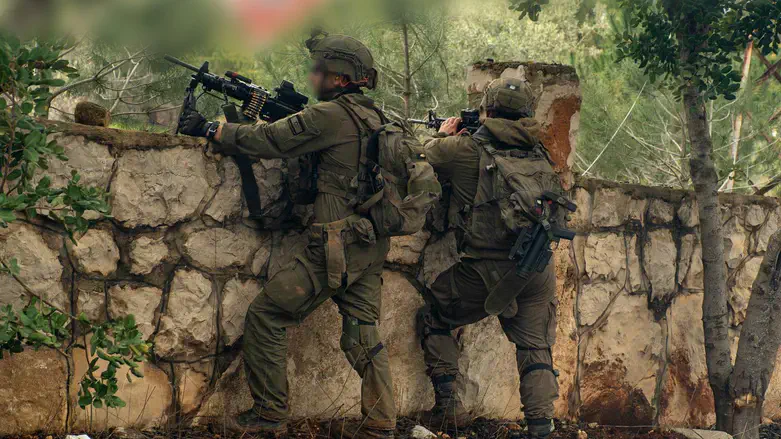
The Israel Defense Forces (IDF) are actively reinforcing positions along the designated line in southern Lebanon, maintaining what military officials describe as an aggressive posture. This proactive stance is aimed at deterring potential threats and securing captured territories. Engineering forces from the 36th Division are actively working to open difficult routes through the challenging terrain. This includes cutting through mountainsides and removing obstacles to ensure armored vehicles can traverse the area effectively, improving logistical capabilities and rapid deployment options.
Additionally, the military is upgrading defensive positions to enhance troop protection against indirect fire and explosive drones, according to reports from the region. These fortifications are vital for safeguarding personnel and equipment in a volatile environment. Forces from both the IDF’s 36th and 91st divisions continue to hold the territory they have captured since the campaign began. These units reportedly show no signs of an imminent withdrawal from their current positions, indicating a sustained commitment to maintaining their strategic gains. This firm presence shows that while a pilot program for transfer is underway, the broader Israeli military activity in southern Lebanon is far from concluded.