Likud MK Amit Halevi, a member of the Knesset Foreign Affairs and Defense Committee, has voiced strong criticism regarding the Israel Defense Forces' rules of engagement in Lebanon, calling them "immoral and unacceptable." Halevi stated that the military directive against precautionary bombardments is problematic, asserting, "The military directive is not to conduct precautionary bombardments. It is immoral and unacceptable." He emphasized that "These procedures must change" and that delaying action when troops are threatened, or employing "roof-knocking" procedures when no civilians are present, is detrimental. These directives, he claims, impede the operational capabilities of the forces and endanger the lives of soldiers.
Halevi cited an instance where "They saw ten terrorists getting ready in a house in one of the villages, and instead of taking down the house, they returned to the 'roof-knocking' procedures, even though there were no civilians in the building, even though they had to destroy the building anyway." He called for a return to a wartime posture, stating, "The Chief of Staff has one role: victory. He must ensure that soldiers conduct themselves in this manner... Today, the procedures are concerning because, based on reports I am receiving from almost all the brigades operating in the north, I identify a weakening and deterioration in the use of fire." Halevi's information, he clarified, comes from officials operating in all brigades in the northern region, providing a full view of the challenges on the ground. Halevi added, "It is the committee’s duty, especially in days like these, to convene. We will sit together to prepare for such a meeting in which we will demand clear answers from the IDF."
Problematic Engagement Directives
Likud MK Amit Halevi stated that the current military procedure does not accurately reflect the policies of the political echelon, arguing that it impedes the operational capabilities of the forces and endangers the lives of soldiers. He specifically noted issues where threats emerging beyond the yellow line are subject to delays in Air Force elimination requests. During these delays, Halevi noted, terrorists frequently manage to flee the area, capitalizing on the time lag between identification and authorized action. The lawmaker, a member of the Knesset Foreign Affairs and Defense Committee, attributed responsibility for the prevailing policy directly to the Israel Defense Forces Chief of Staff, asserting that the top military leadership holds the power to rectify these operational shortcomings. Halevi believes that if the decision-making authority had been at the brigade level, the elimination of these threats would have been completed on time, preventing terrorists from escaping.
Consequences for Troop Safety
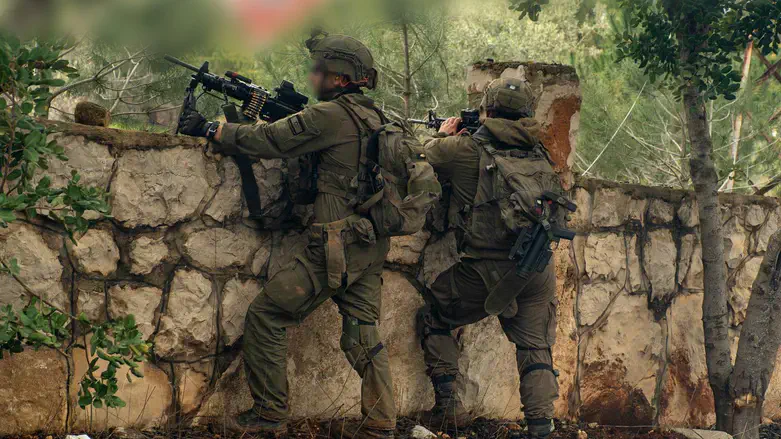
Within the security zone, Israel Defense Forces soldiers are reportedly required to clear terrorists from areas on foot, even when authorization for artillery strikes before entering homes and alleyways is not granted. This operational directive has raised significant concerns regarding troop safety, forcing soldiers into potentially more dangerous close-quarters engagements. The lack of preparatory fire means that troops often encounter armed adversaries in fortified positions without the benefit of softening targets from a distance.
One incident noted involved an IDF officer who sustained injuries on the outskirts of Bint Jbeil. The commander of the force had submitted a request to conduct a precautionary strike before the troops proceeded with their entry, but the request was reportedly denied, leaving the soldiers exposed to a direct confrontation. This denial of a tactical request directly contributed to the officer being wounded, demonstrating the real-world consequences of the current rules of engagement.
Another instance detailed two soldiers falling a day after a terror cell had been identified in the same area. According to reports, the authorization to eliminate the cell came too late, contributing to the delayed response and subsequent casualties. This tragic event shows the critical nature of timely authorization for engagement and the potential cost of bureaucratic delays. These examples illustrate the severe challenges faced by forces operating under the current rules of engagement and the tangible impact on the lives of soldiers.
Halevi's Call to Action
Likud MK Amit Halevi stated that the military directive currently in place does not permit precautionary bombardments. Referencing this policy, Halevi asserted, "The military directive is not to conduct precautionary bombardments. It is immoral and unacceptable." He noted an incident where ten terrorists were observed preparing in a village house. Instead of directly neutralizing the threat, 'roof-knocking' procedures were reportedly employed, despite the absence of civilians and the eventual necessity to destroy the building. Halevi claimed that if the decision-making authority had rested at the brigade level, the elimination of the threat would have been completed promptly, preventing any delay or unnecessary risk. He further noted that his information regarding these operational challenges originates from officials operating across all brigades in the northern region, indicating a widespread concern within the military ranks. In response to these pressing concerns, Halevi has contacted the chairman of the Knesset Foreign Affairs and Defense Committee and requested that committee members convene for a meeting despite the ongoing Knesset recess, showing the urgency he places on addressing these issues. He seeks clear answers and a commitment to change from the IDF following such a meeting.