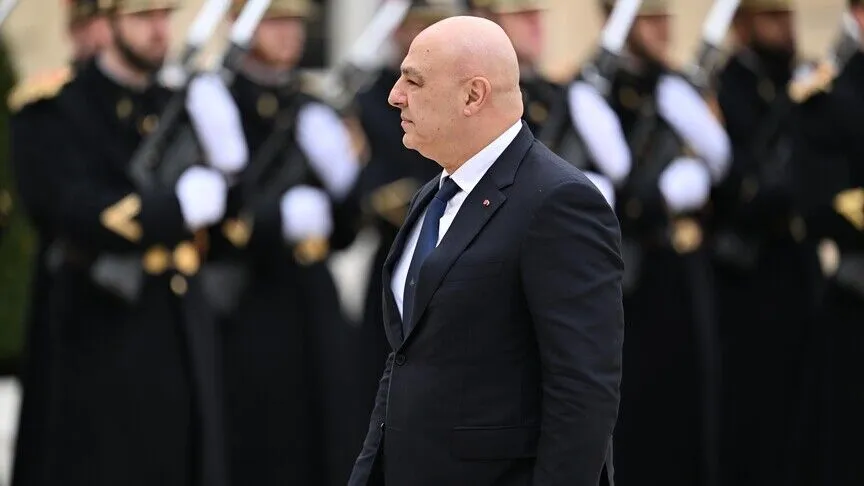
Lebanese President Joseph Aoun departed Beirut on Saturday for Washington, where he is scheduled to meet with Donald Trump. President Aoun will hold discussions with several American officials regarding the situation in Lebanon and methods to strengthen the ceasefire, particularly in the country's south. The Lebanese presidency stated Aoun's agenda includes talks on "the withdrawal of Israel from the Lebanese regions it occupies." This trip follows the latest round of Lebanon-Israel talks, which recently took place in Italy. Aoun's visit aims to secure United States support for these critical objectives amid ongoing regional tensions, specifically the key goal of achieving a lasting peace deal.
President Aoun's journey to Washington marks a significant diplomatic engagement for Lebanon. His discussions with American officials are expected to delve into the complex security landscape of the region, focusing on practical steps to reinforce the current ceasefire. The emphasis on the country's south notes the persistent challenges along the border with Israel and the critical need for stability in that area. The Lebanese presidency's explicit mention of Israel's withdrawal from occupied Lebanese regions shows a long-standing demand from Beirut, central to any full peace efforts. The timing of this visit, coming on the heels of recent bilateral talks in Italy between Lebanon and Israel, suggests a concerted push to leverage international diplomatic channels to advance Lebanon's strategic interests.
This visit is particularly notable as it marks the first time a Lebanese head of state has traveled to Washington since Michel Sleiman was received by Barack Obama in 2009. This decade-plus hiatus in high-level presidential engagement shows the importance and urgency of President Aoun's current mission to the US capital. The discussions are designed to address not only immediate security concerns but also the broader framework for a stable and sovereign Lebanon.
Peace Talks and Framework Agreement
US-sponsored negotiations between Israel and Lebanon commenced in April, with the objective of securing a peace deal and permanently ending the Israel-Hezbollah war. These discussions culminated in a framework agreement reached by both parties on June 26. The agreement outlines provisions for the Israeli military to withdraw from southern Lebanon, alongside the deployment of the Lebanese army, which is set to begin in two designated "pilot zones." The initiation of these US-sponsored negotiations in April represented a concerted international effort to de-escalate tensions and establish a more enduring peace. The primary goal of these talks was to finalize a full peace deal that would bring a definitive end to the protracted conflict between Israel and Hezbollah, which has destabilized the border region for years.
The framework agreement, formally established on June 26, is a cornerstone of these peace efforts. Its core components include a phased withdrawal of the Israeli military from southern Lebanon, a move long sought by Beirut. Concurrently, the agreement stipulates the deployment of the Lebanese army into these vacated territories, a critical step towards asserting Lebanese sovereignty and maintaining order. This deployment is planned to commence in two specific "pilot zones," designed to test the efficacy and logistics of the broader implementation strategy. These pilot zones are seen as key initial steps to build confidence and ensure a smooth transition of authority.
Following the most recent round of talks held in Rome, Israel and Lebanon solidified their understanding regarding these zones. A US official stated that the two nations "agreed on the structure and guidelines" for implementing the pilot zones. This development marks a step forward in the ongoing efforts to stabilize the border region, providing a clearer roadmap for the practical application of the framework agreement. The agreement on the structure and guidelines signifies a detailed understanding between the parties on how the withdrawal and deployment will physically take place, including logistical arrangements and security protocols. This clarity is essential for the successful execution of such a sensitive military and political transition.
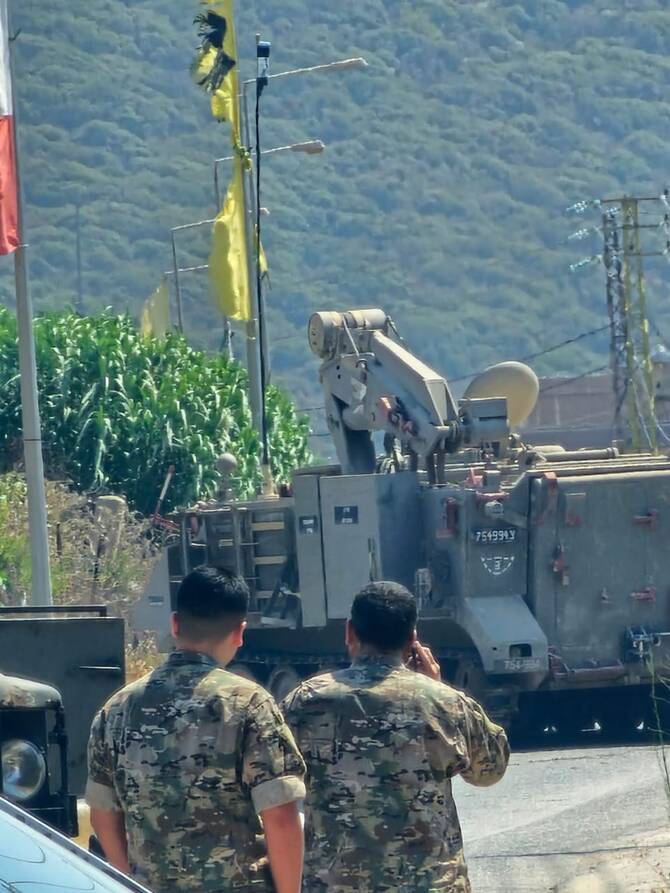
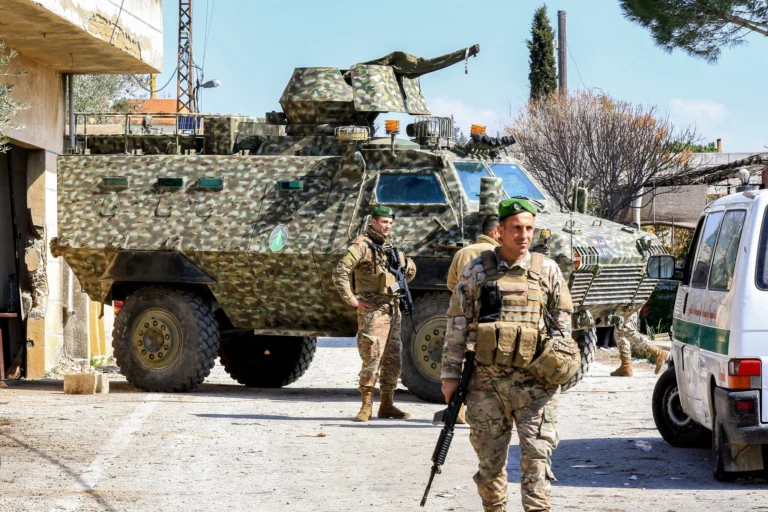
In preparation for the implementation of these pilot zones, the Lebanese army has initiated increased patrol activities. A Lebanese military source confirmed that patrols have been intensified in several villages adjacent to areas currently occupied by Israeli forces. These villages include Froun in the Bint Jbeil district, indicating specific areas of focus for the initial phases of army deployment. The enhanced patrols are a direct preparatory measure for the operationalization of the framework agreement's provisions, demonstrating Lebanon's commitment to fulfilling its responsibilities under the accord. The focus on villages like Froun notes the tangible steps being taken on the ground to secure and prepare these critical border areas for the anticipated military movements. This proactive stance by the Lebanese army is vital for ensuring the safety and security of local populations during the transition.
Hezbollah's Opposition and Border Clashes
Hezbollah held a mass funeral in southern Lebanon’s Majdal Selm on Saturday for dozens of individuals, most of whom were fighters killed in recent confrontations with Israel. In Majdal Selm, Hezbollah interred 44 people, including 39 fighters. The burials also included four civilians, who were reported to have been killed during Israeli operations, and one man whose death was attributed to natural causes. This somber event shows the human cost of the ongoing conflict and the deep-seated opposition from certain factions within Lebanon to the proposed peace initiatives. The large number of casualties, predominantly fighters, reflects the intensity of recent clashes along the border. The inclusion of civilians in the burial rites notes the broader impact of military operations on the local population.
Hezbollah has explicitly rejected both the recent framework agreement and the ongoing negotiations. The group organized a rally in the coastal city of Tyre on Saturday to publicly reiterate its opposition to the proposed plan. This public display of defiance from Hezbollah poses a significant challenge to the peace process, as the group maintains considerable influence and military presence in southern Lebanon. Their rejection stems from long-held ideological stances and strategic objectives that conflict with the terms of the agreement. The rally in Tyre served as a clear statement of their intent to resist any deal that they perceive as compromising their position or the interests they represent.
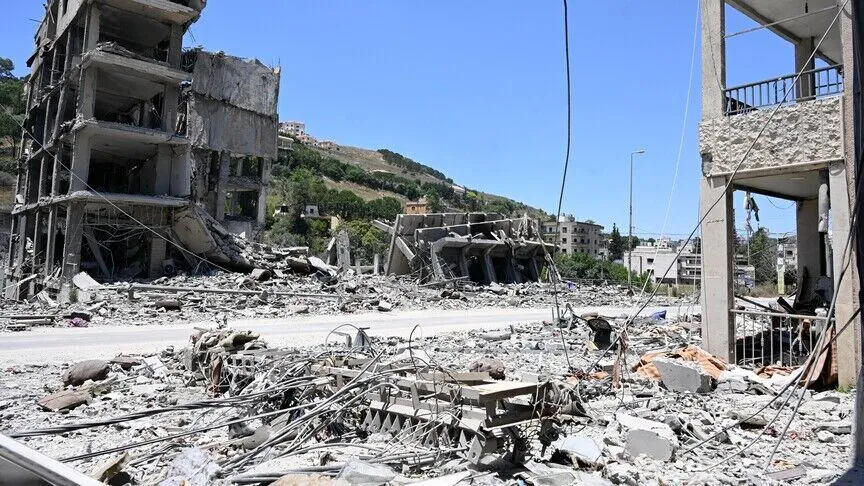
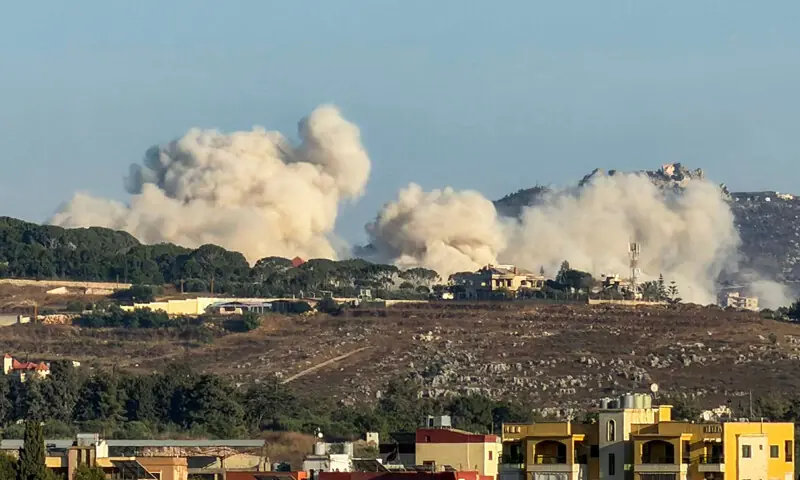
The Israeli military announced it struck a Hezbollah cell near Tebnit in southern Lebanon on Saturday. This action followed Israeli soldiers identifying a Hezbollah drone in the area. Lebanon’s state-run National News Agency reported new airstrikes against two towns situated on the edge of the so-called security zone. These towns are located in the Tyre and Nabatieh regions. Additionally, a large detonation was reported near Zawtar al-Sharqiyah. These military actions and reported incidents illustrate the continued volatility and the fragile nature of the ceasefire in the region, even as diplomatic efforts proceed. The Israeli strike against a Hezbollah cell near Tebnit, prompted by the detection of a drone, indicates ongoing surveillance and proactive engagement by Israeli forces. The subsequent reports from Lebanon’s National News Agency about airstrikes in the Tyre and Nabatieh regions further confirm the persistence of military activity. The mention of a "security zone" alludes to historical areas of conflict and control, noting the enduring sensitivities of these border territories. The large detonation near Zawtar al-Sharqiyah adds to the picture of a highly unstable environment, where even localized incidents can quickly escalate.
Broader Context and US Travel Advisory
Lebanese President Joseph Aoun's visit marks the first time a Lebanese head of state has traveled to Washington since Michel Sleiman was received by Barack Obama in 2009. The trip occurs amid heightened regional tensions, with the US Embassy renewing its call for Americans to avoid traveling to Lebanon, citing "high tensions in the Middle East." This travel advisory serves as a stark reminder of the underlying instability despite diplomatic overtures. The US Embassy's updated guidance reflects a cautious assessment of the security situation, advising its citizens against non-essential travel to Lebanon due to the prevailing geopolitical climate.
Recent incidents show the volatile situation. On March 2, Hezbollah launched a retaliation following the assassination of Khamenei. In response to this action, Israel initiated airstrikes and a ground invasion against Lebanon. These events illustrate the rapid escalation potential in the region, where specific incidents can trigger significant military responses. Separately, a Lebanese soldier was killed and an officer along with another soldier were wounded on Saturday when a suspicious object exploded in an army vehicle in Mansouri. This incident, while distinct from the cross-border clashes, further notes the dangers faced by military personnel within Lebanon and the general precariousness of the security environment. The death and injuries to Lebanese army personnel in Mansouri show the internal security challenges that Lebanon faces, even beyond the direct conflict with Israel. These varied incidents collectively paint a picture of a nation grappling with both external threats and internal security issues, making President Aoun's mission to Washington all the more critical for securing international support and stability.