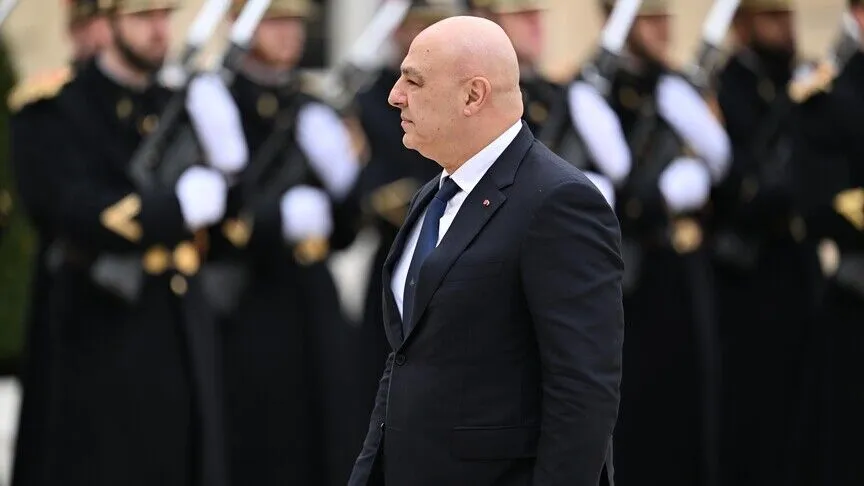
Lebanese President Joseph Aoun is scheduled to meet with US President Donald Trump in Washington, DC, on July 21. The visit comes as discussions involving Israel are ongoing, though specific details of the agenda have not been publicly disclosed. President Aoun's trip to the US capital is anticipated to address various bilateral issues between Lebanon and the United States, alongside key regional developments. The meeting on July 21 shows the continued diplomatic engagement between the two nations and their shared interest in regional stability.
Key Agenda Items
The talks between Lebanese President Joseph Aoun and US President Donald Trump are expected to focus on direct negotiations between Lebanon and Israel, particularly regarding the implementation of the US-sponsored framework deal. This agreement includes efforts to solidify the existing ceasefire, a critical component for de-escalation in the volatile region. The primary objective of these negotiations is to achieve a lasting cessation of hostilities and establish a more stable security environment along the border.
Another key agenda item involves support for the Lebanese Armed Forces, especially concerning pilot areas outlined in the agreement with Israel. This support is deemed essential for the Lebanese military to effectively assume its responsibilities under the framework deal. Discussions will also address the future of the UN Interim Force in Lebanon (UNIFIL), whose mandate is set to expire this year, with a gradual withdrawal scheduled to commence in 2027. The role and capabilities of UNIFIL, and the implications of its eventual withdrawal, will be a significant point of discussion given its long-standing presence in the region.
The framework agreement provides for a phased Israeli withdrawal from all occupied Lebanese territory, beginning with a pilot model in two designated zones. The completion of this agreement is linked to the Lebanese army assuming full security responsibility in all evacuated areas and the disarmament of armed groups. This condition notes the full nature of the accord, aiming to address both territorial disputes and internal security challenges. The US-sponsored framework deal is thus seen as a key step towards a more secure and stable future for Lebanon.
US Mediation Role
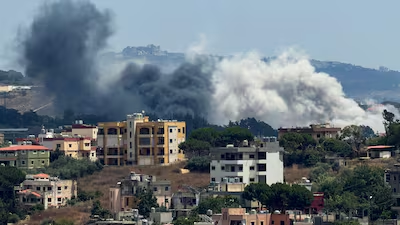
Beirut and Tel Aviv signed a US-mediated framework agreement on June 26, according to official reports. A senior Lebanese official stated that the United States, as the mediator, "has the ability to exert pressure on Israel to advance the implementation of the framework agreement." This diplomatic role comes amidst a complex security situation. Israeli attacks in Lebanon have resulted in more than 4,300 fatalities and left 12,200 people wounded since March 2. The US mediation is therefore seen as key for de-escalation and the advancement of the recently signed accord, which seeks to prevent further loss of life and alleviate humanitarian concerns. The framework agreement aims to solidify a ceasefire and address long-standing territorial disputes, thereby laying the groundwork for a more peaceful resolution. The US's commitment to facilitating these discussions reflects its ongoing efforts to foster stability in the Middle East.
Diplomatic Momentum
The sixth round of US-sponsored Lebanese-Israeli negotiations concluded Wednesday in Rome, marking continued diplomatic efforts in the region. These talks have been central to discussions surrounding the implementation of a framework agreement between Beirut and Tel Aviv. US mediation has been described as key for advancing this accord, which aims to solidify a ceasefire and address territorial disputes. The consistent engagement through multiple rounds of negotiations shows the urgency and importance placed on achieving a breakthrough.
Lebanese President Joseph Aoun departed Beirut for Washington, DC, on Saturday morning, ahead of his scheduled meeting with US President Donald Trump. His visit is expected to build on the momentum from the Rome negotiations, with the US playing a key role in facilitating dialogue between Lebanon and Israel. The discussions are anticipated to cover various aspects of the framework agreement, including security responsibilities, the future of international forces in Lebanon, and the mechanisms for ensuring full compliance from all parties. This high-level meeting is poised to be a critical juncture in the ongoing efforts to secure peace and stability in the region.