A planned virtual meeting involving Lebanese, Israeli, and US military representatives was postponed on Friday, July 18, 2026, marking a setback in ongoing efforts to de-escalate tensions along the volatile border. The discussions were intended to focus on implementing pilot zones in southern Lebanon, a critical step outlined in a recently signed framework agreement. The meeting had been anticipated to finalize these pilot zones, establish a timetable for Israel’s withdrawal, and expand the Lebanese army’s deployment, building on the framework agreement signed in Washington on June 26.
The postponement was attributed in part to the fact that no specific time had been set for the meeting, indicating a lack of firm scheduling despite the urgency of the matter. Additionally, logistical challenges posed by the time difference between Lebanon and the United States were cited as a contributing factor. This delay shows the complex nature of coordinating high-level discussions between the three parties, even in a virtual format. The virtual meeting aimed to bring together military officials from both Lebanon and Israel, with US representatives acting as facilitators, to iron out the practical details of the agreement. The failure to convene as planned notes the persistent difficulties in translating diplomatic agreements into concrete on-the-ground actions.
Framework Agreement Details
The framework agreement, signed by Lebanon and Israel on June 26 under United States auspices, outlines a process for the Lebanese army to progressively extend state authority throughout Lebanese territory. This landmark agreement represents a significant diplomatic effort to stabilize the shared border. This process is intended to begin with two pilot zones, which would then facilitate the withdrawal of Israeli forces from southern Lebanon. The establishment of these zones is seen as a key first step toward a more full disengagement and the full restoration of Lebanese sovereignty in the area. The agreement's overarching goal is to reduce the potential for conflict and foster a more secure environment for both nations.
However, a key ambiguity within the agreement has emerged, complicating its implementation. The agreement does not explicitly specify whether these two pilot zones are situated within territory currently occupied by Israel. This lack of clarity has led to differing interpretations and expectations from both sides, potentially contributing to the current impasse.
Israeli officials maintain a firm stance on their security priorities, insisting that the army will not retreat from the security zone it has established. This security zone extends to a depth of 10 kilometers beyond the border, a strategic buffer Israel deems essential for its protection. Israeli officials have made it clear that any withdrawal from this area is conditional on the disarmament of Hezbollah, a powerful Lebanese political party and militant group. This stance notes a key divergence in interpretations or expectations regarding the implementation of the framework agreement. The agreement's focus on Lebanese army deployment and Israeli withdrawal is thus complicated by Israel's condition concerning Hezbollah's disarmament, creating a significant hurdle for future progress. The demand for Hezbollah's disarmament remains a central and contentious issue in all negotiations concerning the border region.
Ground Activity and Tensions
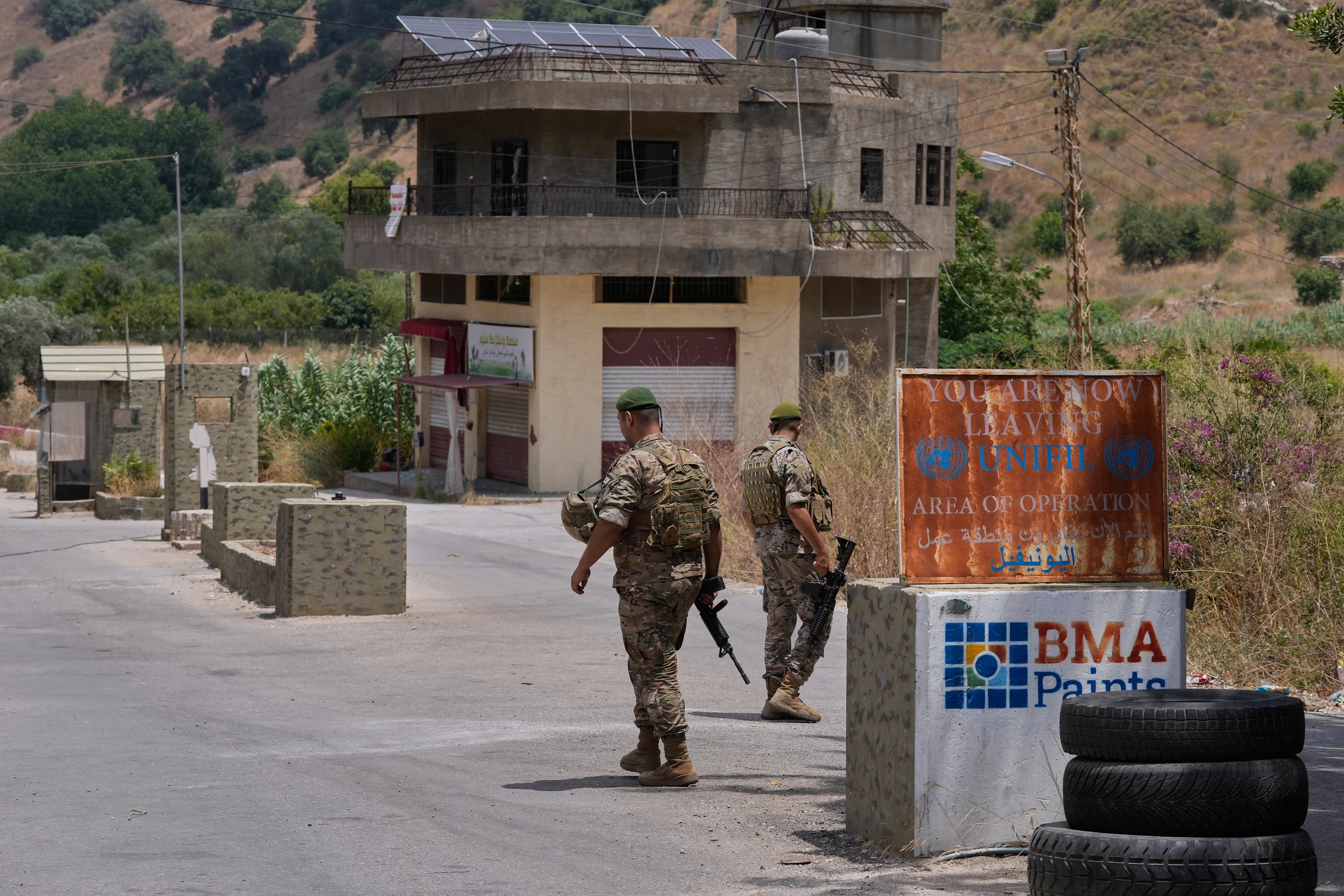
Amidst the diplomatic maneuvering and postponements, ground activity in southern Lebanon continues, reflecting the ongoing tensions and the delicate balance of power. Lebanese army units have increased their presence in southern Lebanon, conducting patrols and establishing checkpoints. This expanded activity has been observed in Froun, Ghandourieh, Qalaouiyeh, Burj Qalaouiyeh, and Kfar Dounine, demonstrating a visible effort by the Lebanese state to assert its authority in these areas. The deployment of additional forces and the establishment of checkpoints are part of the broader strategy to extend state control and prepare for the implementation of the framework agreement. This heightened military presence coincides with ongoing tensions in the region, where any movement or action can be perceived as escalatory.
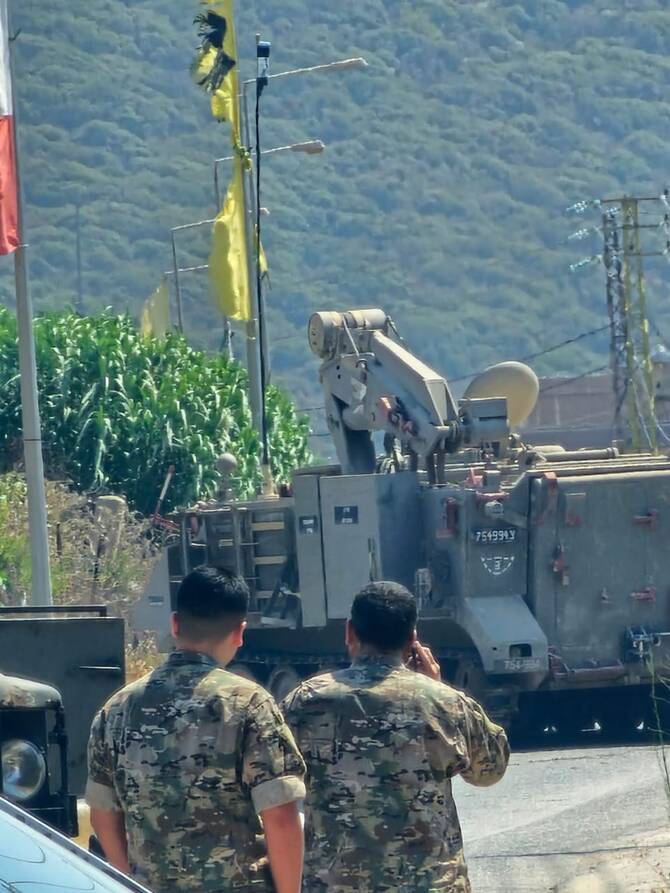
On Friday, an incident further showed the fragility of the situation. An Israeli tank advanced along the main road connecting Mansouri and Bouyout Al-Sayyad, which is part of the Tyre-Naqoura route, a significant artery in the border area. The tank positioned itself near a Lebanese army checkpoint before eventually withdrawing from the location. This incident marks a direct interaction between the two forces on the ground, illustrating the close proximity and potential for confrontation that characterizes the border region. Such encounters, though resolved without immediate escalation, serve as stark reminders of the ever-present risks.
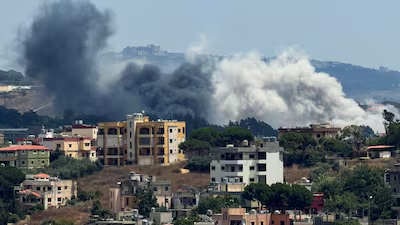
Concurrently, the Israeli army has been engaged in demolishing houses in Zawtar Al-Gharbiyah in recent days. These demolitions add to the volatile situation in the border areas, noting continued operational activity by Israeli forces in the disputed zones. The destruction of residential structures in this area further complicates the humanitarian situation and fuels local grievances. The events on the ground, including both the increased Lebanese army presence and the Israeli military operations, show the complex and often confrontational nature of the military presence and activities in southern Lebanon. These actions demonstrate that despite diplomatic efforts, the reality on the ground remains tense and dynamic.
Mediation Efforts and Diplomacy
Despite the recent postponement of the virtual meeting, diplomatic efforts to mediate between Lebanon and Israel are actively continuing, with the United States playing a central role. Israel-Lebanon talks, facilitated by US mediators, took place in Rome earlier this week, indicating a persistent commitment to dialogue. These face-to-face discussions are key for building trust and finding common ground on contentious issues. The US delegation to the military coordination committee is led by Lt. Gen. Joseph Clearfield, who has been instrumental in these mediation efforts. Lt. Gen. Clearfield initiated mediation visits between the Lebanese and Israeli sides approximately a week ago, engaging in shuttle diplomacy to bridge the gaps between the two nations. His continued involvement is seen as vital for maintaining momentum in the peace process. Lt. Gen. Clearfield is anticipated to return to Lebanon on July 23 to continue these efforts, signaling ongoing high-level US engagement.
On Thursday, the Lebanese presidency announced that President Joseph Aoun had been informed by US Ambassador to Lebanon Michel Issa about an imminent arrival of a military delegation in Lebanon. This delegation is expected to oversee the commencement of the Israeli withdrawal, suggesting that preparations for implementing the framework agreement are still moving forward, albeit with delays. The arrival of such a delegation would signify a concrete step towards the practical execution of the agreement's terms.
Further high-level diplomatic engagement is planned as President Joseph Aoun is scheduled to travel to Washington for an official visit. There, he is expected to meet with US President Donald Trump on Tuesday, indicating high-level discussions around the ongoing situation. This meeting at the highest echelons of government shows the strategic importance both nations place on resolving the border dispute and implementing the framework agreement. These diplomatic maneuvers, from shuttle diplomacy by military envoys to presidential summits, show persistent efforts to de-escalate tensions and implement the framework agreement, despite the challenges encountered along the way. The international community, particularly the United States, remains deeply invested in fostering stability in this critical region.