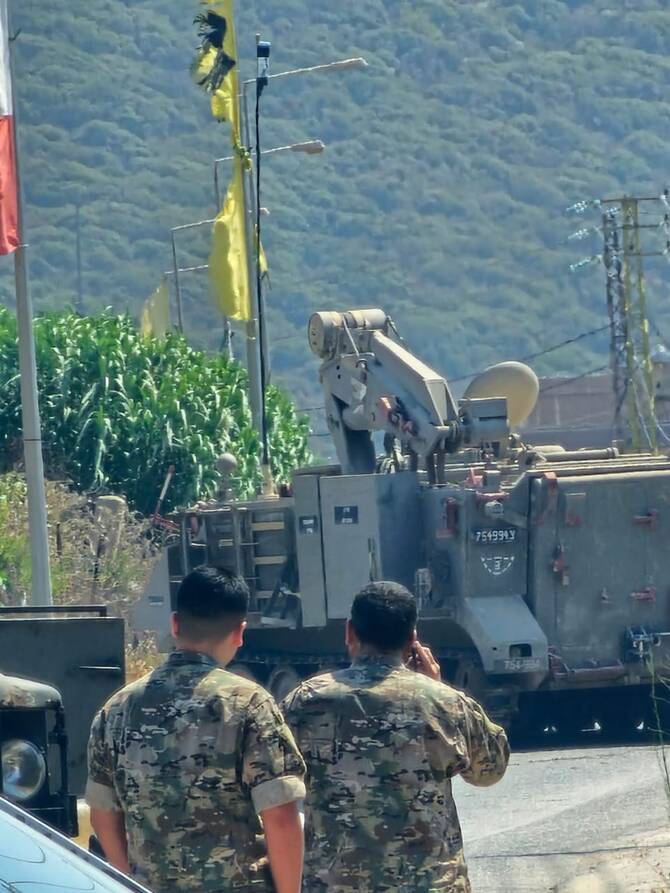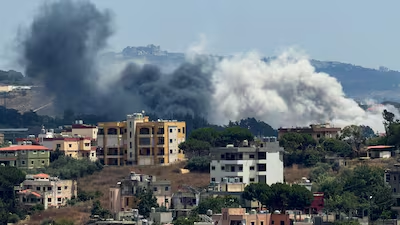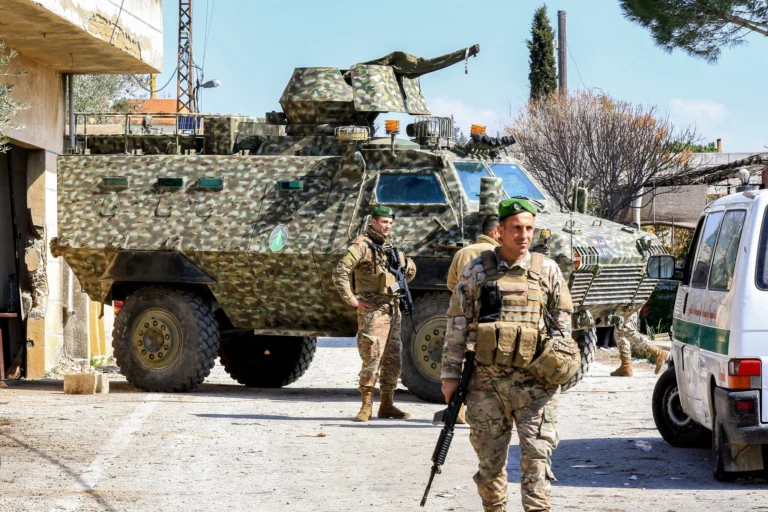
The Lebanese army has officially begun deploying in the first "experimental zone" as part of the implementation of a framework agreement between Israel and Lebanon. This significant step marks a key phase in the ongoing efforts to stabilize the region and implement the terms outlined in the bilateral agreement. Israeli preparations are currently underway to facilitate the handover of the second experimental zone to the Lebanese side, indicating a progressive approach to the agreement's execution. The framework agreement between the two nations stipulates a gradual transfer of full security responsibility to the Lebanese Armed Forces across designated pilot zones, aiming to establish a more secure and stable environment along the border.
Zone Details and Location
The first pilot area, where the Lebanese army has commenced its deployment, is situated strategically north of the security zone previously under Israeli army control. This particular zone lies in the immediate vicinity of the Shiite villages of Frun and Randouriya, both of which are located within the Bint Jbeil district of southern Lebanon. This precise geographical location shows the importance of the deployment in areas with historical and demographic significance. The second area, which is currently being prepared for handover from Israeli control, presently maintains an Israeli military presence. Both of these designated experimental areas are positioned north of the "Yellow Line," a significant demarcation, specifically in the vicinity of Wadi Salouqi and the Litani River. The proximity to these natural landmarks further defines the operational scope of the deployed forces and the areas under consideration for transfer of authority. The identification of these specific locations notes the detailed planning involved in the framework agreement's implementation.
Framework Agreement Terms and International Involvement
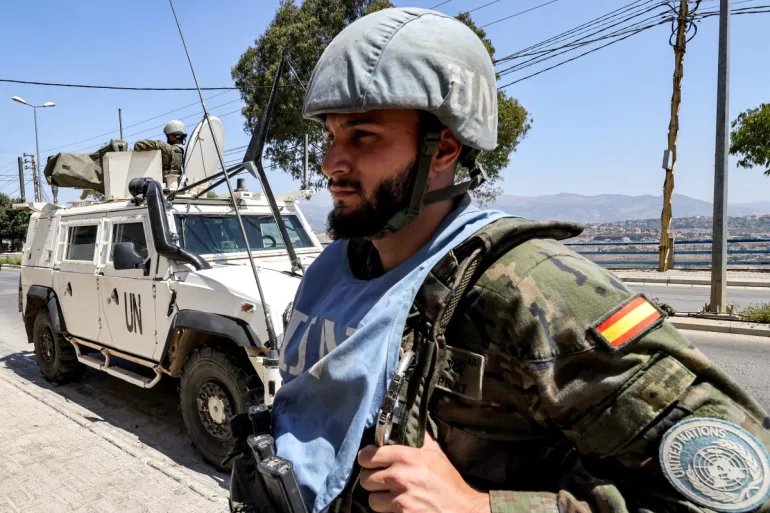
The framework agreement is structured in phases, with the first two zones already having been established and agreed upon. This initial agreement lays the groundwork for further cooperation, as additional zones are slated for determination in subsequent agreements, indicating a phased approach to full implementation. During talks held in Rome under US mediation, an "Italian proposal" emerged. This proposal suggested that Italian forces could potentially oversee the demilitarization process within these areas and ensure they are free of elements linked to Hezbollah. The involvement of international mediation and proposals shows the complex geopolitical landscape surrounding the agreement. However, both Israel and the United States subsequently rejected the participation of UNIFIL forces in supervising the operation, preferring an alternative approach to oversight. Israeli military representatives, during the discussions, stressed the necessity for the Israeli side to evaluate the pilot program thoroughly before any further progression or expansion of the agreement. This emphasis on evaluation reflects Israel's cautious approach to security matters in the region. Conversely, the Lebanese side insisted that the Lebanese army assume full and complete responsibility for both the territory and the evaluation process, asserting their sovereign control and operational independence in the implementation of the agreement. This difference in perspective notes one of the key points of negotiation within the broader framework.
Timeline and Next Steps
The official announcement regarding the commencement of the pilot phase for the Lebanese army's deployment is anticipated next Sunday. This forthcoming announcement will mark a significant and formal step in the implementation of the framework agreement between Israel and Lebanon, publicly confirming the operational phase. The current deployment involves the Lebanese army establishing its presence in the first experimental zone, located north of the former Israeli security zone near the Shiite villages of Frun and Randouriya in the Bint Jbeil district. This initial deployment is a critical test of the agreement's practical application. Simultaneously, preparations are actively underway for the handover of a second experimental zone, which currently maintains an Israeli military presence. This dual process demonstrates the coordinated efforts from both sides. Both zones are situated north of the "Yellow Line," specifically in the vicinity of Wadi Salouqi and the Litani River, areas carefully chosen for their strategic importance in the border region. The phased approach and the specific geographical focus show the careful planning involved in this key security arrangement.