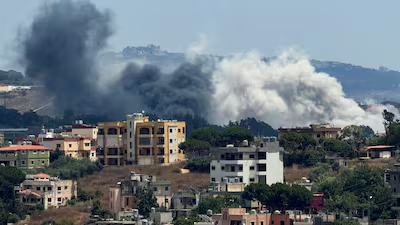
Israeli warplanes conducted two waves of air strikes in southern Lebanon at dawn, targeting the Masha’ al-Mansouri area. The aerial bombardments occurred early in the morning, marking a significant military operation. The precise nature and intent of these strikes were not immediately detailed by military officials, though they represent a notable escalation in cross-border activity. These operations are typically carried out with specific objectives, often in response to perceived threats or previous incidents in the volatile border region. The timing of the strikes, occurring during the pre-dawn hours, is a common tactic used to maximize surprise and minimize civilian presence.
Details of the Strikes
The air strikes were specifically aimed at the Masha’ al-Mansouri area, located in southern Lebanon. Israeli warplanes carried out the bombardments in the early morning hours, executing the operation in two distinct waves. This targeted operation marks a continuation of military activity in the region, reflecting ongoing tensions. The Masha’ al-Mansouri area has been identified as a site of strategic interest in previous reports concerning cross-border incidents, suggesting its importance in the broader security landscape. The deployment of warplanes in two successive waves indicates a deliberate and coordinated military action, potentially designed to ensure the effectiveness of the strikes or to engage multiple targets within the designated area. Further details regarding the precise targets within the area, such as specific infrastructure, suspected militant sites, or other facilities, were not immediately released by military sources. The impact of these strikes on the ground is currently being assessed. The Lebanese authorities have not yet issued a formal statement detailing the extent of the damage or any casualties resulting from the dawn raids, but such assessments are key for understanding the full ramifications of the operation.
Context and Source
The information regarding the Israeli warplane strikes in southern Lebanon originates from Lebanon’s National News Agency. The agency reported that the attacks specifically targeted the Masha’ al-Mansouri area in the early morning hours, confirming that Israeli warplanes carried out the air strikes in two waves at dawn. Lebanon’s National News Agency is a primary source for official and public information within Lebanon, often disseminating details on military activities and their impacts across the country. Its reports frequently cover incidents along the border regions, providing initial accounts of events such as these aerial bombardments. The agency's dispatch served as the initial confirmation of the Israeli military operation in Lebanese territory at dawn, offering the first official details to the public. As a state-run entity, its reporting is closely monitored for insights into the Lebanese government's perspective on such incidents. Further details on the extent of damage or potential casualties from the strikes are expected to be reported through similar channels as assessments are concluded by local authorities and emergency services.
Broader Regional Tensions
Cross-border incidents in southern Lebanon have been a recurring feature of the regional security landscape, indicative of the deep-seated geopolitical complexities. Military activities by Israeli forces in Lebanese territory are often viewed within the broader context of existing tensions in the Middle East, which frequently involve various state and non-state actors. The Masha’ al-Mansouri area, located in southern Lebanon, has been a frequent location for such occurrences, showing its strategic importance in the ongoing dynamics between the two nations. These events contribute to the complex and often volatile security situation along the border, where military actions from either side can quickly escalate. The region's stability remains a significant concern for international observers and local populations alike, with each incident watched closely for potential wider implications on regional peace and security. The repeated nature of these incidents notes the fragility of the ceasefire arrangements and the constant vigilance required by both sides.