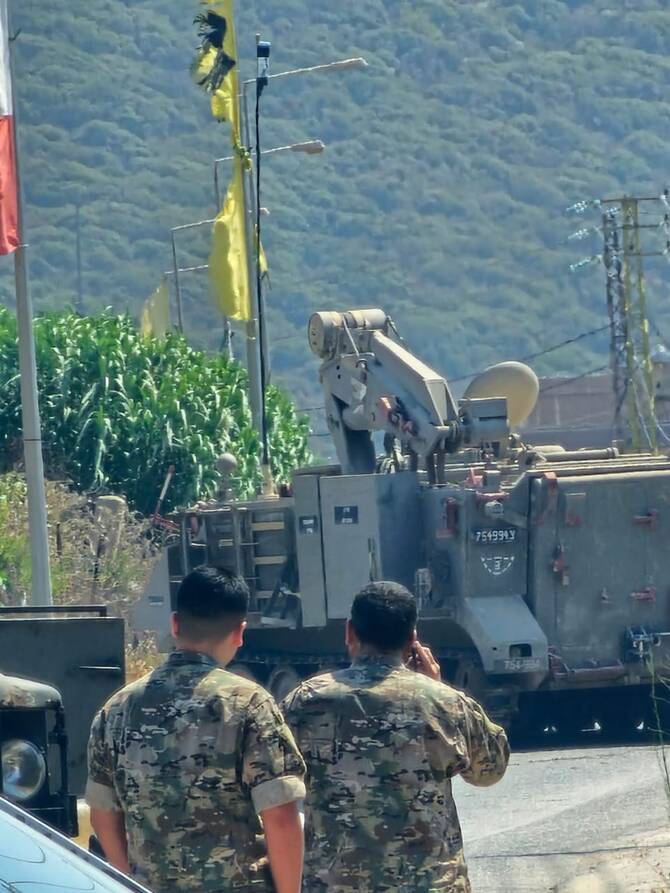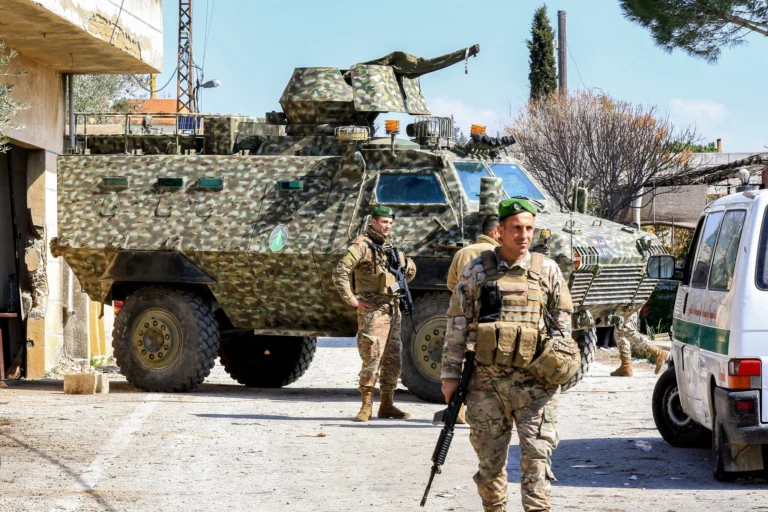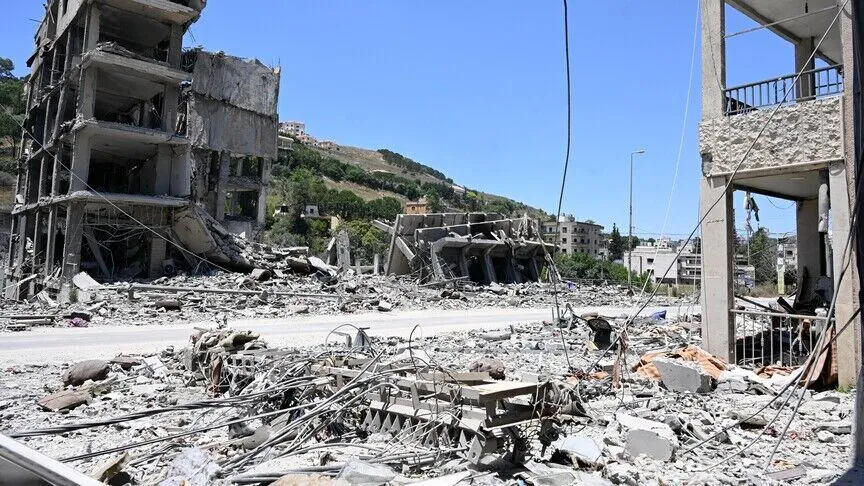
Israeli forces carried out multiple attacks across southern Lebanon early Saturday, targeting several towns and districts, according to local reports. These actions mark a continued escalation in the region, despite ongoing diplomatic efforts to de-escalate the conflict. In the city of Bint Jbeil, in the Bint Jbeil district of the Nabatieh Governorate, Israeli forces cut down all trees planted along roadsides, a move that local residents reported caused significant disruption and environmental impact. Separately, Israeli forces fired several missiles early Saturday at neighborhoods in the town of Mansouri, near the Bayt al-Sayyad farm, located in the Tyre district of the South Governorate. These missile strikes caused damage to infrastructure and residential areas. Israeli warplanes also conducted an airstrike on the al-Mashaa neighborhood, a strategic area that has seen repeated military activity, while an Israeli drone struck the town of Nabatieh al-Fawqa. The intensity of these operations notes the persistent tensions along the border.
Saturday's Escalation Detailed
Further detailing the day's events, Israeli forces shelled the town of Haris in the Bint Jbeil district of the Nabatieh Governorate, resulting in an unspecified number of injuries among the civilian population. The shelling caused widespread alarm and forced some residents to seek shelter. An Israeli drone also dropped two sound bombs on the al-Mashaa neighborhood, situated between the towns of Majdal Zoun and Mansouri, contributing to the atmosphere of fear and uncertainty in the area. These sound bombs are often used to create panic and disorient residents. Separately, the Israeli army carried out a large explosion on the outskirts of Zawtar al-Sharqiya, a town in the Nabatieh district. These actions were described by the Israeli army as necessary to "eliminate the threat." Additionally, Israeli warplanes bombed the town of Kfar Tibnit, also in the Nabatieh district, late Friday, extending the period of military activity into the weekend. The continuous nature of these strikes shows the volatile security situation.
Israeli Justification for Strikes
The Israeli army claimed its forces targeted a cell of Hezbollah drone operators in southern Lebanon. The Israeli military alleged that the strike was conducted after the detection of a drone launched near Israeli forces, posing an immediate threat to their operations and personnel. The Israeli air force then carried out a rapid strike against the members of the cell. The army stated this action was taken to "eliminate the threat" the operators allegedly posed to troops, framing the operations as defensive measures. This justification is consistent with previous statements made by Israeli military officials regarding their activities in southern Lebanon, often citing threats from Hezbollah.
Context of Agreement and Occupation
The ongoing military actions occur amidst a severe humanitarian crisis. Lebanon’s Health Ministry announced that the death toll from the Israeli assault on the country had risen to 4,328, with 12,227 wounded since March 2. These figures show the devastating human cost of the protracted conflict. Israel continues its attacks on Lebanon despite signing a US-sponsored "framework agreement" on June 26. The US-sponsored agreement provides for a phased Israeli withdrawal from Lebanese territory, beginning with two pilot areas, signaling a diplomatic path towards de-escalation that has yet to fully materialize on the ground. These attacks also follow talks held in Rome that specifically addressed the start of an Israeli troop withdrawal from two areas in southern Lebanon, indicating a disconnect between diplomatic discussions and military actions. Israel occupies areas of southern Lebanon, some held for decades, while others were seized during the 2023-2024 war and the assault that commenced last March, further complicating the prospects for a lasting peace. The continued occupation remains a central point of contention for Lebanon.