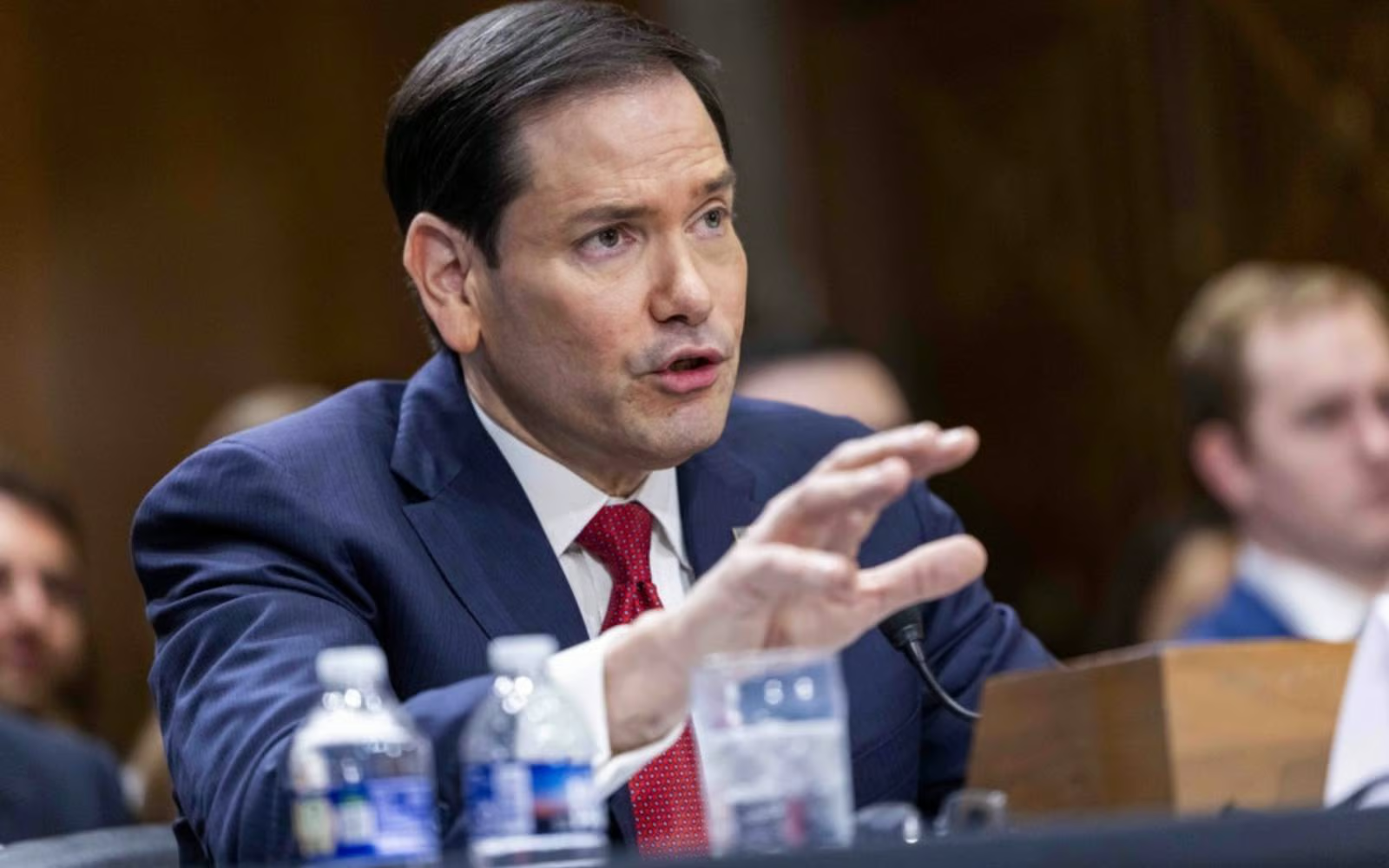
US Secretary of State Marco Rubio met with Lebanese President Joseph Aoun in Washington on Sunday, July 19, 2026, ahead of President Aoun’s scheduled meeting with US President Donald Trump on Tuesday. This visit by President Aoun marks the first trip to the US capital by a Lebanese head of state since Michel Sleiman was received by then-President Barack Obama in 2009. Secretary Rubio praised Lebanon's efforts towards peace, stating that the country is making "a determined effort to reclaim Lebanon’s sovereignty, disarm Hezbollah and dismantle its terrorist infrastructure, and move towards peace." President Aoun affirmed Lebanon's intent to "align… regarding the implementation of the tripartite framework, through achieving the first Israeli withdrawal from the first pilot zone." Both officials emphasized their commitment to regional stability during their discussions in Washington.
Peace Deal Framework
Israel and Lebanon initiated US-sponsored negotiations in April, aiming to achieve a full peace deal and permanently conclude the Israel-Hezbollah war. These key discussions have sought to establish a lasting resolution to ongoing hostilities. On June 26, the two nations reached a framework agreement in Washington, a significant step forward in the peace process. This agreement stipulates that the Israeli military will withdraw from southern Lebanon, and the Lebanese army will deploy in its place, initially focusing on two designated "pilot zones." The success of this framework is fundamentally contingent on the disarmament of Hezbollah, a key condition for the stability of the region. Following the most recent round of discussions last week in Rome, Israel and Lebanon formalized the guidelines for implementing these pilot zones, detailing the practical steps required for their establishment.
Hezbollah's Opposition
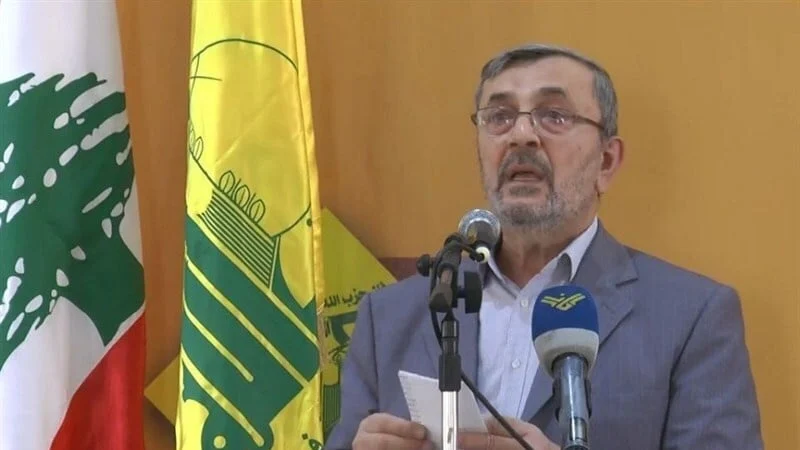
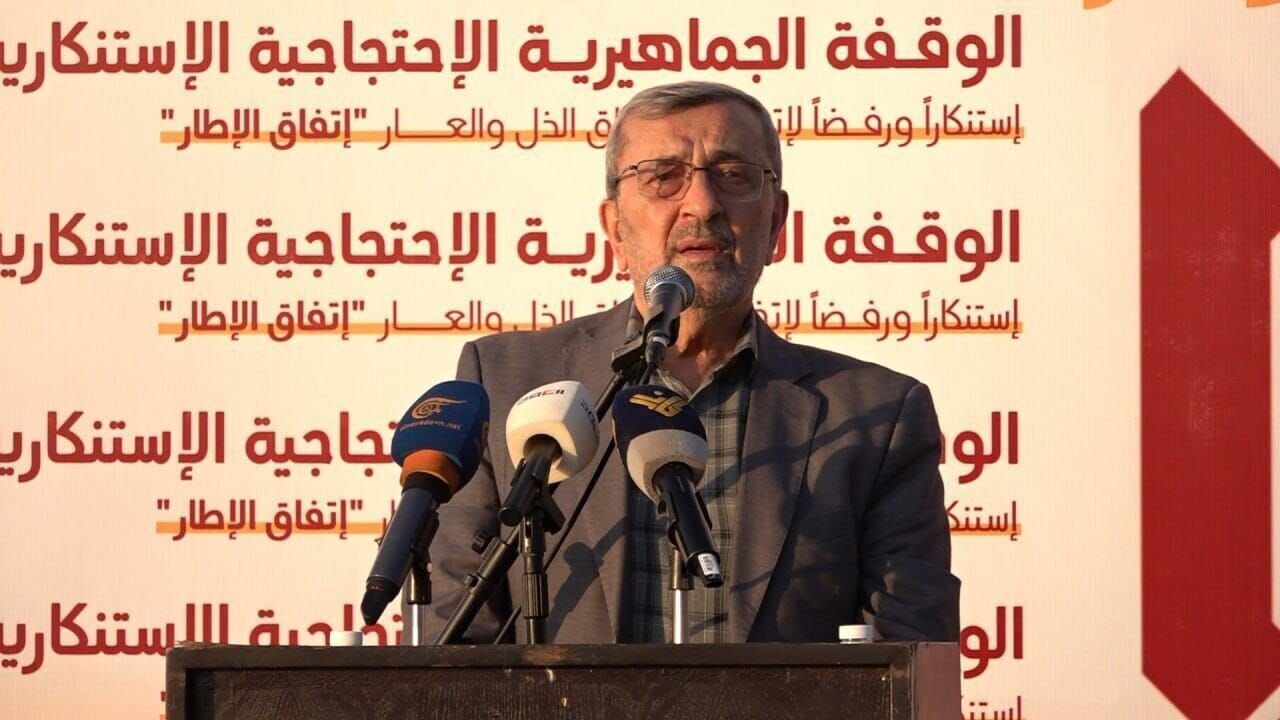
Hezbollah has explicitly rejected both the peace deal framework and the ongoing Israel-Lebanon negotiations, signaling its firm opposition to the diplomatic efforts. The militia group pulled Lebanon into the broader Middle East conflict on March 2, when it began striking Israel, an action undertaken in support of Iran. Hezbollah's rejection presents a significant challenge to the terms of the peace agreement, which relies heavily on the disarmament of Hezbollah and the subsequent deployment of the Lebanese army in southern Lebanon. The framework agreement explicitly stipulates that the Israeli military will withdraw from designated pilot zones only after these critical conditions are met, showing the centrality of Hezbollah's disarmament to the entire process. This unwavering stance by Hezbollah complicates efforts to implement the recently formalized guidelines for these pilot zones, potentially jeopardizing the progress made in negotiations.
Broader Regional Conflict
The United States conducted airstrikes on Iran Sunday, following the first US military fatalities since the Middle East war reignited open hostilities. These strikes mark a notable escalation in regional tensions, occurring concurrently as US Secretary of State Marco Rubio and Lebanese President Joseph Aoun discussed peace efforts in Washington. The broader conflict has seen Hezbollah, an Iran-backed group, engage Israel since March 2, further complicating an already fragile regional stability. Hezbollah's actions, undertaken directly in support of Iran, have drawn Lebanon into the wider Middle East conflict, impacting its sovereignty and security. The US airstrikes introduce a new and potentially destabilizing dimension to these ongoing hostilities, which could significantly impact the fragile peace negotiations between Israel and Lebanon, negotiations that ultimately aim to disarm Hezbollah and achieve a lasting peace deal for the region.
Diplomatic Engagement
US Secretary of State Marco Rubio affirmed that Lebanese President Joseph Aoun’s government had made a “determined effort to reclaim Lebanon’s sovereignty, disarm Hezbollah and dismantle its terrorist infrastructure, and move towards peace.” This statement notes the US administration's recognition of Lebanon's commitment to the peace process and its efforts to address internal challenges posed by Hezbollah. President Aoun’s visit marked the first trip to the US capital by a Lebanese head of state since Michel Sleiman was received by Barack Obama in 2009, showing the diplomatic significance of the current engagement.
During their discussions, Lebanese President Aoun stressed the necessity for Lebanon and the United States to “align… regarding the implementation of the tripartite framework, through achieving the first Israeli withdrawal from the first pilot zone.” This statement showed Lebanon's commitment to the peace framework agreed upon with Israel, emphasizing a shared vision for its execution. The diplomatic engagement between the US and Lebanon notes ongoing efforts to stabilize the region amidst broader tensions and to push forward with the implementation of the peace agreement. The discussions also served to reinforce the strategic partnership between the two nations in addressing regional security challenges.