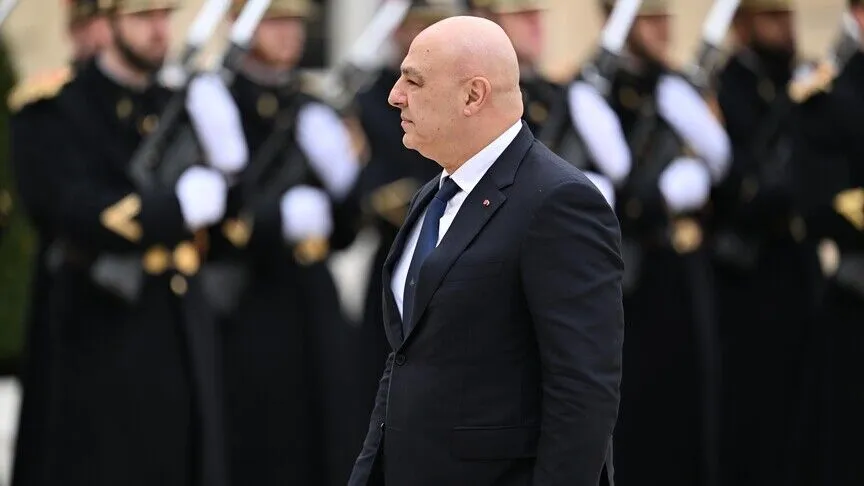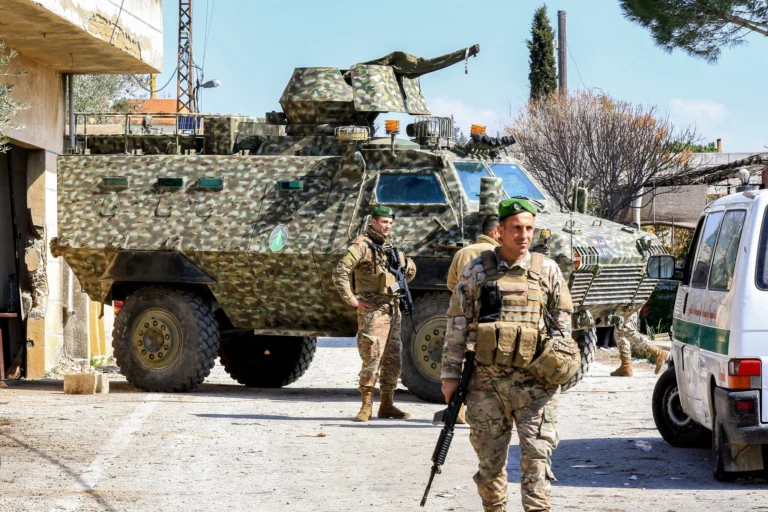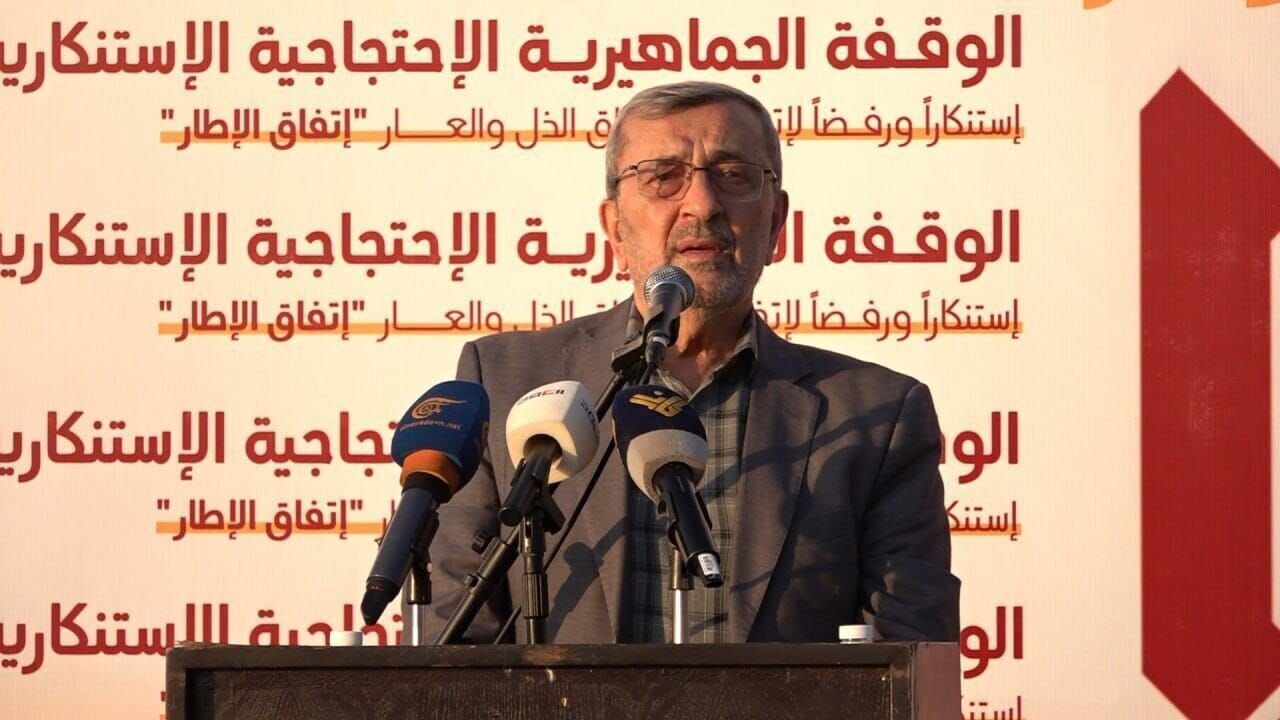
Hassan Ezzeddine, a Hezbollah lawmaker, recently asserted that Lebanon would not become a United States protectorate or integrate into Israeli settlements. Ezzeddine showed this position amidst ongoing regional discussions, firmly stating that Lebanon will never become a US protectorate or part of Israeli settlements. His statement reflects a firm rejection of external influence over Lebanon's sovereignty and future political alignment, emphasizing the nation's right to self-determination. The lawmaker's comments emphasize the resistance movement's stance against any perceived attempts to diminish Lebanon's independent status, asserting its unwavering commitment to national integrity.
Deal's Criticisms Detailed
A US-brokered framework agreement between Lebanon and Israel has been denounced by Hezbollah and its allies. Critics assert that the accord ignored Israel's actions and failed to require a full Israeli withdrawal from occupied Lebanese territory. More specifically, opponents argued that the agreement ignored Israel's crimes and failed to require a full Israeli withdrawal from all occupied Lebanese territory, including the Shebaa Farms and Kfar Shuba hills. This specific criticism notes concerns that the proposed deal did not adequately address historical grievances or territorial claims from Lebanon's perspective, leaving significant contentious issues unresolved. The framework agreement, intended to delineate maritime boundaries and potentially foster stability, faced significant opposition due to these perceived shortcomings and its failure to secure full Lebanese rights.
Opponents argued that this approach amounted to a conspiracy against Lebanon's people, sovereignty, and independence. They warned that such an agreement would ultimately damage the country's national interests by legitimizing certain Israeli claims without securing full concessions for Lebanon. The rejection shows a deep-seated suspicion regarding the motivations and potential long-term implications of the US-brokered deal for Lebanon's geopolitical standing and internal stability, viewing it as an attempt to undermine the nation's foundations.
Resistance Essential for Sovereignty
Hezbollah maintains that its armed resistance remains essential for defending Lebanon's sovereignty. The group has asserted that no entity possesses the right to disarm the Lebanese people's resistance, firmly stating that no one had the right to strip the Lebanese people of the resistance's weapons. The group’s armed resistance, it argues, would remain essential to defending the country’s sovereignty against any external threats. This stance comes amidst reports that Israel had previously conditioned a complete withdrawal from disputed areas on the disarmament of Hezbollah, an unacceptable precondition for the resistance movement. The group's continued emphasis on its armed capabilities notes its view of resistance as a fundamental component of national defense against external pressures and territorial disputes, especially given the ongoing occupation of Lebanese land. Hezbollah's position shows a belief that its military strength is non-negotiable for safeguarding Lebanon's independent status and protecting its borders.
Hezbollah's Stance on Negotiations
Hassan Ezzeddine, a member of Hezbollah’s Loyalty to the Resistance parliamentary bloc, described the framework agreement as an "agreement of humiliation and disgrace." Ezzeddine's statement notes the group's strong disapproval of the US-brokered deal, framing it as detrimental to Lebanese interests and a betrayal of national principles.
Hezbollah criticized the Lebanese government for making concessions by engaging in direct negotiations with Israel. The group explicitly stated that the Lebanese government was making concessions by engaging in direct negotiations with Israel, thereby weakening Lebanon's negotiating position. This engagement, according to the group, undermined Lebanon's position and sovereignty by granting legitimacy to an occupying power. The lawmaker's remarks show Hezbollah's consistent rejection of any normalization or direct dealings with Israel, aligning with its broader stance on resistance against what it perceives as Israeli occupation and influence over regional affairs.