The US State Department announced on Monday the start of pilot zone operations for Israel's withdrawal from south Lebanon, focusing on three villages: Froun, Srifa, and Zawtar Al Gharbiyeh. This initiative marks a significant step in the planned Israeli pullout from the region, with the operations commencing in accordance with the Trilateral Framework and under the purview of the Military Co-ordination Group for Lebanon. The announcement specified that these pilot operations had officially begun in the designated areas.
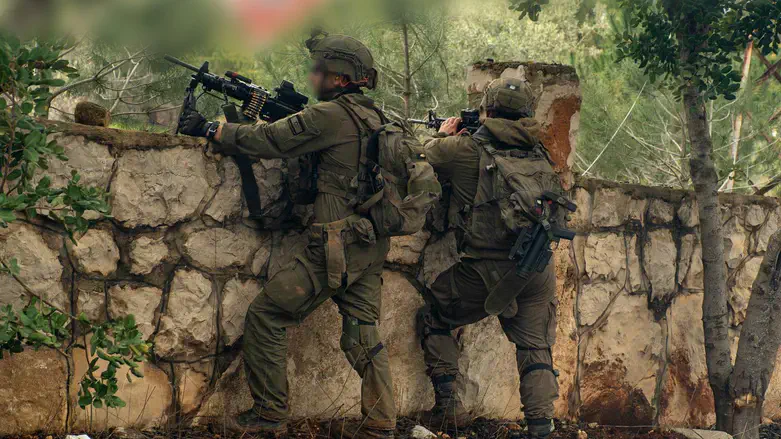
However, claims regarding the immediate status of the withdrawal vary. Israeli troops were reportedly positioned on the outskirts of Zawtar Al Gharbiyeh as the announcement was made, indicating their presence in the vicinity of one of the designated pilot zones. Separately, Israeli media outlets reported that the withdrawal from Zawtar Al Gharbiyeh would not commence until Tuesday, suggesting a slight delay in the full implementation of the pullout from that specific village. This discrepancy notes the complex and often fluid nature of the situation on the ground.
Framework and Diplomatic Push
The pilot operations align with the Trilateral Framework and fall under the purview of the Military Co-ordination Group for Lebanon. These pilot zones emerged directly from discussions held between Israel and Lebanon in Rome, serving as a tangible outcome of diplomatic efforts. The framework agreement stipulates that the pilot areas will "serve as the mechanism for the phased and verified redeployment of Israeli forces and the deployment of the Lebanese Armed Forces." This mechanism is intended to facilitate an orderly and verifiable withdrawal process, ensuring transparency and accountability for all parties involved.
Under the framework agreement, the Lebanese Armed Forces are expected to "assume exclusive security responsibility, internationally supported reconstruction will begin, and Lebanese civilians will be able to return safely" once non-state armed groups are "successfully disarmed and their infrastructure dismantled." This provision shows the full nature of the agreement, linking security transitions with humanitarian and reconstruction efforts. Lebanese officials have consistently indicated their readiness, stating they were awaiting Israel to initiate the process by withdrawing from agreed-upon areas, thereby allowing the Lebanese Armed Forces to assume control. These statements from Lebanese authorities have repeatedly affirmed their commitment to fulfilling their part of the agreement and their capacity to manage security in the designated zones.
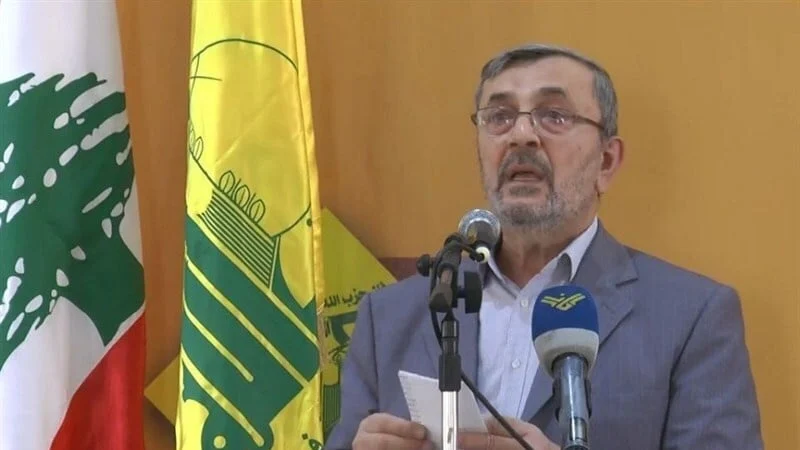
The establishment of these pilot zones is intended to foster confidence between the involved parties and generate momentum for a more lasting peace. A State Department official described the establishment of these initial pilot zones as "real progress on the ground," emphasizing the significance of this development. The official also noted, "It is an opportunity for the Lebanese state to begin to reassert real control in areas historically dominated by Hezballah," viewing the zones as a chance for the Lebanese state to restore authority and sovereignty over its territory. The same State Department official further emphasized that "The zones will build confidence between the parties and will create the momentum needed to expand the process and move towards peace,” noting the strategic importance of these initial steps. Despite these efforts, Hezbollah has maintained its resistance to any move to disarm its fighters, particularly while the organization states Lebanon remains under attack and occupation, posing a significant challenge to the full implementation of the framework.
Lebanese President's US Visit
Lebanese President Joseph Aoun is currently in Washington, seeking to encourage US pressure on Israel for the implementation of the recent agreements. His visit follows two days of US-mediated talks between Israel and Lebanon in Rome, which concluded without establishing a timetable for the June 26 agreement, showing the ongoing need for diplomatic intervention. The President's current trip marks his first visit to Washington since assuming office in January of last year, signifying the critical nature of the discussions.
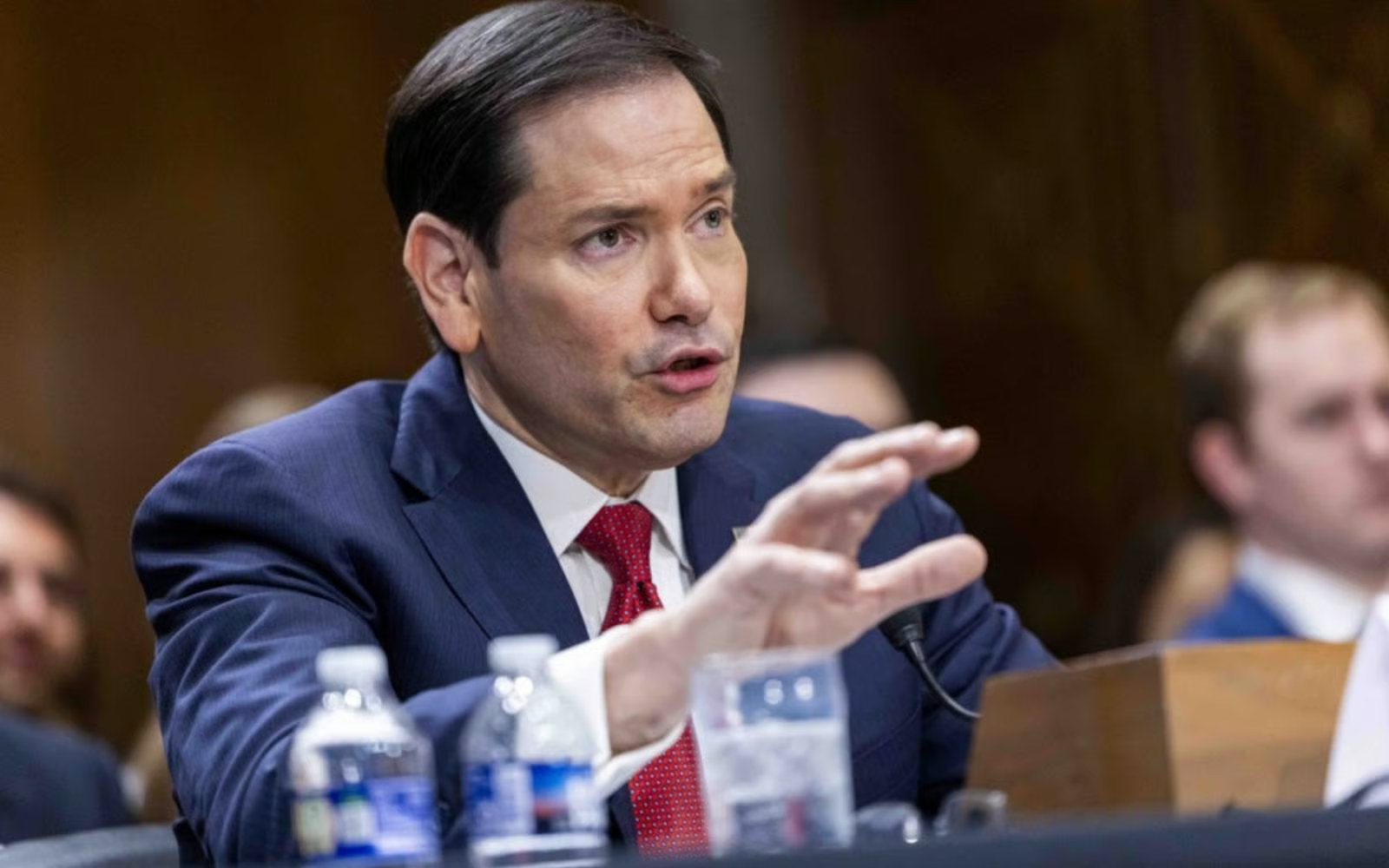
President Aoun met with Secretary of State Marco Rubio on Sunday, engaging in high-level discussions regarding the regional situation and the implementation of the withdrawal framework. He is also scheduled to meet with President Donald Trump on Tuesday, indicating the importance the US administration places on these diplomatic efforts. The diplomatic engagements show Lebanon's efforts to advance the framework for Israeli withdrawal from south Lebanon and the subsequent deployment of the Lebanese Armed Forces.
The President's discussions in the US capital are centered on the ongoing developments in the region, particularly the announced pilot zones for Israeli withdrawal in Froun, Srifa, and Zawtar Al Gharbiyeh. The Lebanese government has consistently expressed its readiness to take over security responsibilities in these areas once Israeli forces redeploy, reiterating its commitment to stability and sovereignty. President Aoun's visit is seen as a key step in ensuring that the diplomatic momentum generated by the pilot zones translates into a full and verifiable Israeli withdrawal, supported by international backing. His engagements aim to secure strong US support for the framework agreement and to press for its timely and full execution, which includes the phased redeployment of Israeli forces and the deployment of the Lebanese Armed Forces. The Lebanese delegation is reportedly emphasizing the urgency of establishing a clear timeline for the broader withdrawal process, building on the initial success of the pilot zones.
Background of Conflict
The Israeli military occupied large areas of south Lebanon following a ground invasion launched after Hezbollah began firing rockets across the border on March 2. This escalation occurred after a joint Israel-US aerial war on Iran, which resulted in the death of its supreme leader, Ali Khamenei, adding a layer of regional complexity to the conflict. The ground invasion marked a significant phase in the ongoing tensions, leading to widespread displacement and destruction.
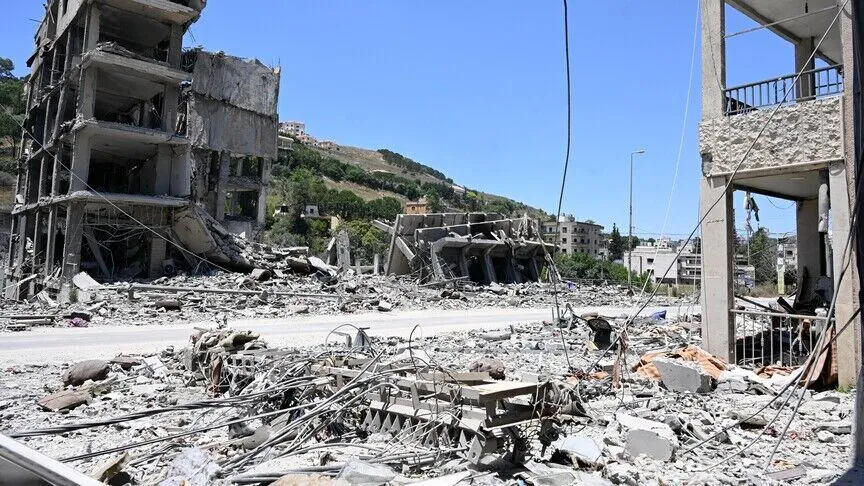
The Israeli offensive has displaced hundreds of thousands of residents throughout Lebanon, causing billions of dollars worth of damage to infrastructure. The conflict has also led to the deaths of more than 4,300 people across the country, noting the severe human and economic cost of the hostilities. The scale of the humanitarian crisis and the extensive damage have prompted calls for urgent reconstruction and aid, which are linked to the security arrangements outlined in the framework agreement.
Prior to the ground invasion, Israel had been conducting daily air strikes in south Lebanon. These strikes continued despite a ceasefire deal that had been reached in November 2024, indicating persistent violations of agreements and a volatile security environment. As part of its established security zone in south Lebanon, the Israeli military has also been engaged in the demolition of dozens of towns and villages within the occupied territories. This policy of demolition has further exacerbated the humanitarian situation and complicated efforts for the return of displaced populations. The long-standing presence and actions of the Israeli military in south Lebanon have created a deeply entrenched conflict, with significant implications for regional stability and the lives of Lebanese civilians. The ongoing destruction of infrastructure and residential areas shows the urgent need for a full and lasting peace agreement that addresses both security concerns and humanitarian needs.
Reactions and Future Steps
Lebanese officials and local residents reported that Froun and Srifa were already clear of Israeli troops, with Lebanese soldiers present, confirming the initial success of the pilot zone implementation in these two villages. The Lebanese Army affirmed it was continuing its operations in Srifa and Froun and was engaged in discussions for deployment to Zawtar Al Gharbiyeh following an Israeli withdrawal, demonstrating its readiness to expand its presence as Israeli forces redeploy. A Lebanese security official stated, "“We are ready to deploy any time when there is a withdrawal,”" adding, "“We're checking with the Americans,”" regarding the situation, indicating close coordination with international mediators.
A State Department official characterized the establishment of the initial pilot zones as "real progress on the ground," recognizing the tangible steps taken towards de-escalation and peace. The official also noted, "It is an opportunity for the Lebanese state to begin to reassert real control in areas historically dominated by Hezballah," viewing the zones as a chance for the Lebanese state to restore authority and sovereignty. The same State Department official emphasized that "The zones will build confidence between the parties and will create the momentum needed to expand the process and move towards peace,” showing the strategic importance of these initial steps in fostering a broader resolution. Despite these developments, Israel maintains its stance that it will not withdraw until the perceived threat posed by Hezbollah to its northern communities is eliminated, noting a key sticking point that continues to challenge the full implementation of the framework agreement and the achievement of a lasting peace. The insistence on the removal of the Hezbollah threat remains a significant obstacle in the negotiations, despite the progress made with the pilot zones.