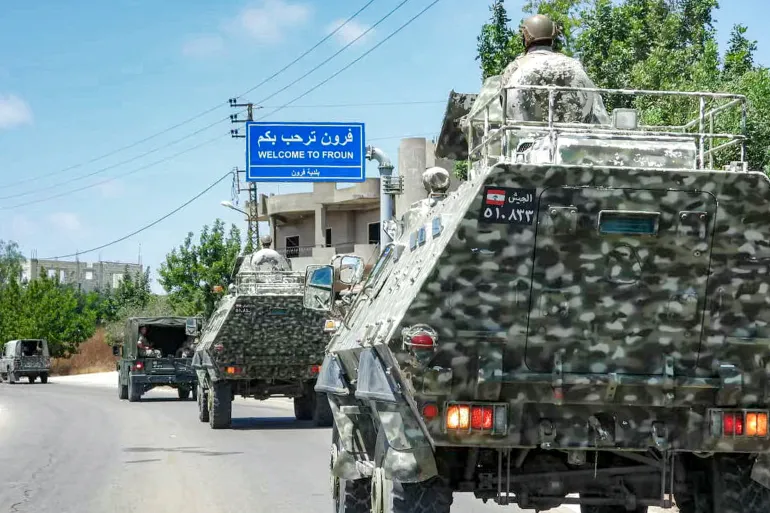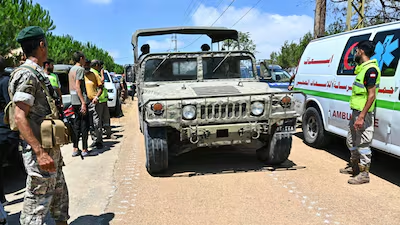
Lebanese troops entered the southern town of Zawtar Al Gharbiyeh on Tuesday, July 21, 2026, marking the first time the Lebanese Army has taken control of a town under the new Israeli withdrawal pilot scheme. This entry into Zawtar Al Gharbiyeh on Tuesday, July 21, 2026, represents a key moment in the ongoing efforts to stabilize south Lebanon. The move followed an announcement by the United States on Monday, July 20, 2026, confirming the start of the pilot program. The US announcement on Monday, July 20, 2026, specifically stated that the implementation of pilot zones for Israeli military withdrawal from south Lebanon had begun in three Lebanese villages. This initiative involves Israeli military withdrawal from three Lebanese villages in south Lebanon. Zawtar Al Gharbiyeh is one of these designated pilot zones. The deployment represents a significant step in the implementation of the new security arrangements for the region. The Lebanese Army's presence aims to establish security and stability in areas previously under different control, laying the groundwork for a more permanent peace. The process in Froun and Srifa, the other two villages, is expected to follow a similar pattern, demonstrating a structured approach to the broader withdrawal.
Demining and Security Operations
Demining operations are the primary concern for the Lebanese Army in Zawtar Al Gharbiyeh, and indeed, they are the first priority for the troops deployed. Soldiers deployed in the town on Tuesday morning, according to the Lebanese Armed Forces (LAF). These soldiers, who entered Zawtar Al Gharbiyeh on Tuesday morning, have immediately commenced critical tasks. Troops have begun surveying roads and residential buildings for unexploded ordnance before displaced residents can return. Soldiers had begun surveying the town for unexploded ordnance, including roads and residential buildings, a key step to ensure the safety of returning civilians. An army statement issued on Tuesday afternoon confirmed that troops had already started detonating ordnance found within the town, noting the immediate action being taken. The LAF urged displaced residents to refrain from returning until the security situation has stabilised, showing the dangers that still persist. The LAF stated that these operations are conducted "based on ongoing communications with the Military Co-ordination Group for Lebanon," indicating a collaborative approach to securing the area. This careful process is critical to ensuring the safety of inhabitants once they are permitted to re-enter their homes. The presence of unexploded ordnance poses a significant threat, making thorough demining a prerequisite for any civilian return and a core component of the LAF's mission in the area. The full nature of these demining efforts, covering both roads and residential areas, reflects the scale of the challenge and the commitment to a safe environment.
Background to the Pilot Zones
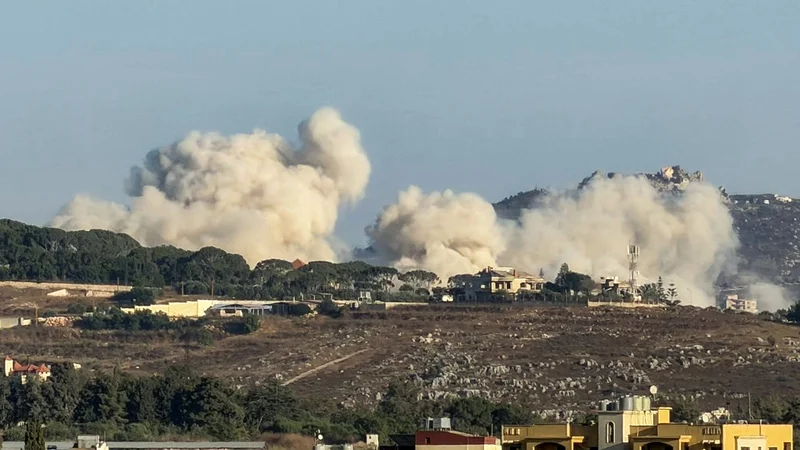
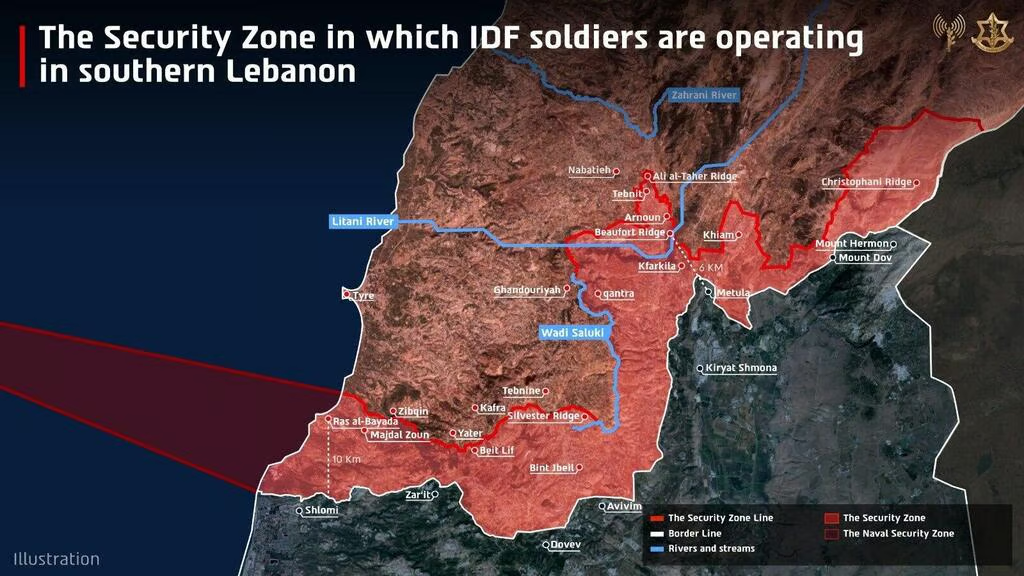
Zawtar Al Gharbiyeh marks the first instance of a town transferring from Israeli to Lebanese military control under the new "pilot-zone" scheme. This transfer is a direct consequence of the recent conflict. The Israeli military had occupied significant areas of south Lebanon following a ground invasion initiated after Hezbollah began launching rockets across the border on March 2. This ground invasion itself occurred after the launch of a joint Israeli-US aerial war on Iran, which resulted in the death of its supreme leader, Ayatollah Ali Khamenei. During its occupation, Israel's military has been demolishing dozens of towns and villages within the occupied security zone in south Lebanon. Zawtar Al Gharbiyeh sustained extensive damage from the fighting between Hezbollah and Israel. The town was particularly hard hit, suffering extensive damage from the intense fighting that characterized the conflict between Hezbollah and Israeli forces. Israeli forces specifically carried out demolitions within Zawtar Al Gharbiyeh throughout their period of occupation, further exacerbating the destruction. This systematic demolition activity has left much of the infrastructure in ruins, contributing to the complexity of the current demining and rehabilitation efforts. The widespread destruction observed in Zawtar Al Gharbiyeh shows the urgent need for full reconstruction and humanitarian aid once the area is fully secured.
The Military Co-ordination Group for Lebanon was established as part of the overarching framework agreement for the region. This group plays a vital role in facilitating the smooth transition of control and ensuring effective communication between the various parties involved. The Lebanese Armed Forces (LAF) stated that the current deployment is "based on ongoing communications with the Military Co-ordination Group for Lebanon," indicating a coordinated approach to the transition. This coordination is essential for managing the complex logistical and security challenges inherent in such a redeployment. The establishment of the Military Co-ordination Group for Lebanon as part of the framework agreement notes the international community's commitment to a structured and monitored withdrawal process. Its ongoing communications with the LAF are instrumental in ensuring that operations like the demining in Zawtar Al Gharbiyeh proceed according to plan and with minimal risk. The group's role extends to verifying the phased redeployment of Israeli forces and overseeing the effective deployment of the LAF, thereby underpinning the entire pilot scheme.
Diplomatic Efforts and Sticking Points
While Zawtar Al Gharbiyeh marked the first formal transfer of control, two other villages designated for the pilot scheme, Froun and Srifa, were already devoid of Israeli troops and had Lebanese soldiers operating within them. The fact that Lebanese soldiers were already operating in Froun and Srifa, even before the formal pilot scheme announcement, indicates a phased and perhaps less publicized initial presence before the official launch. The pilot areas are intended to "serve as the mechanism for the phased and verified redeployment of Israeli forces and the deployment of the Lebanese Armed Forces," according to statements regarding the initiative. This framework implies a structured approach to the broader withdrawal and subsequent security arrangements, aiming for a systematic rather than abrupt transition. The objective is to create a secure environment managed by the LAF, allowing for the eventual return of displaced populations and the restoration of normal life.
Diplomatic efforts continue in parallel with these military movements, showing the multifaceted nature of the peace process. Lebanese President Joseph Aoun is scheduled to meet with President Donald Trump at the White House in Washington. This high-level meeting signifies the international importance attached to the stability of south Lebanon and the broader regional security. President Aoun's visit to Washington follows US-mediated Israel-Lebanon talks that took place in Rome last week. Those discussions concluded without establishing a specific timetable for implementing the June 26 agreement, which outlines the broader framework for regional security. The absence of a definitive timetable from the Rome talks notes the complexities and remaining disagreements that still need to be addressed at the diplomatic level. The Lebanese Armed Forces stated that the current deployment in Zawtar Al Gharbiyeh is "based on ongoing communications with the Military Co-ordination Group for Lebanon," indicating a coordinated approach involving multiple parties and emphasizing the importance of continued dialogue. The ongoing discussions between Lebanese and US leadership, following the Rome talks, are key for building consensus and overcoming the remaining obstacles to a full peace.
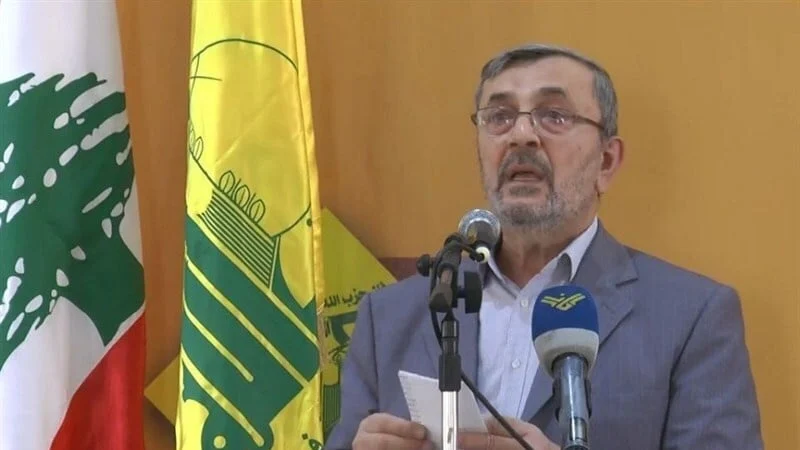
Despite the ongoing pilot scheme, significant hurdles remain. Israel maintains its position that it will not withdraw fully until the threat posed by Hezbollah to its northern communities is definitively removed. Israel insists it will not withdraw until the threat posed by Hezbollah to its northern communities is removed, a core demand that continues to be a major point of contention. This security concern is a central sticking point in negotiations, reflecting the deep-seated anxieties and strategic considerations on the Israeli side. Domestically, Hezbollah has expressed strong opposition to the Lebanese government's push to disarm the group and its direct negotiations with Israel. Hezbollah has lambasted the government's push to disarm the group and its direct negotiations with Israel, indicating significant internal political resistance to the current peace initiatives. This internal political dynamic further complicates the implementation of any full security agreement, as the Lebanese government must navigate both external demands and internal opposition. The divergent perspectives of Israel and Hezbollah, coupled with the Lebanese government's delicate balancing act, present formidable challenges to achieving a lasting resolution in the region.