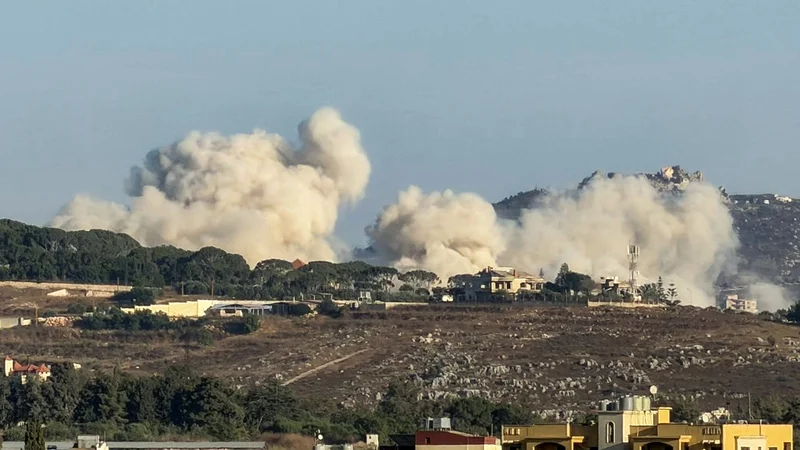
Lebanese President Joseph Aoun is scheduled to meet US President Donald Trump in Washington, with discussions expected to focus on regional security and the future of south Lebanon. This high-level diplomatic engagement shows the pressing need for stability in a volatile region. The upcoming meeting between the two leaders will address critical issues, including efforts to secure stability in the Middle East, particularly concerning the ongoing tensions in Lebanon. A central point of these discussions will be the persistent demand from Israel, which has stated that its primary condition for withdrawing from south Lebanon is the disarmament of Hezbollah. This condition shapes much of the diplomatic landscape surrounding the conflict. The talks in Washington are anticipated to explore pathways for achieving this objective, which remains a significant point of contention in the region, reflecting deep-seated security concerns and political complexities. The meeting is seen as a key opportunity to advance efforts towards a lasting resolution.
Deal Details and Conditions
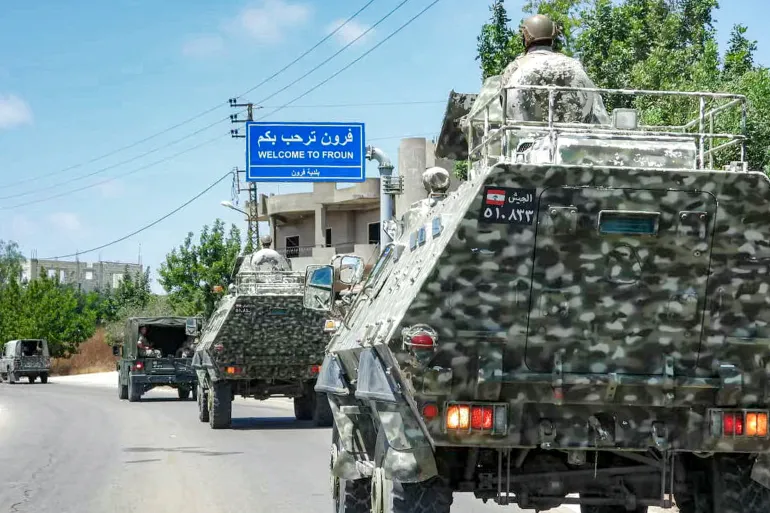
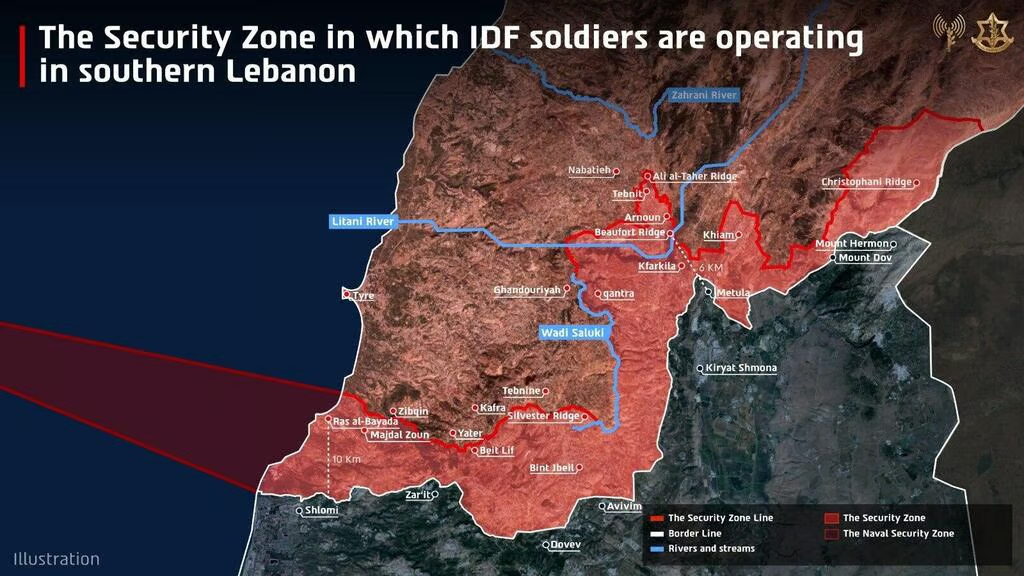
The proposed agreement, which is at the heart of these diplomatic efforts, is explicitly contingent on the disarmament of Hezbollah, according to diplomatic sources involved in the negotiations. This requirement is non-negotiable for key parties involved. The United States has already announced the start of the implementation of an agreement that grants the Lebanese army control over "pilot zones" in southern Lebanon. These zones are primarily located just outside lands Israel occupied after Hezbollah drew Lebanon into the Middle East war in March. Under the terms of this key agreement, the Israeli military is to withdraw from southern Lebanon, a move long sought by Lebanon and the international community. Concurrently, the Lebanese army is to deploy into these newly vacated territories, starting with two designated "pilot zones," thereby asserting state sovereignty and control. This phased approach aims to manage the transition and ensure security.
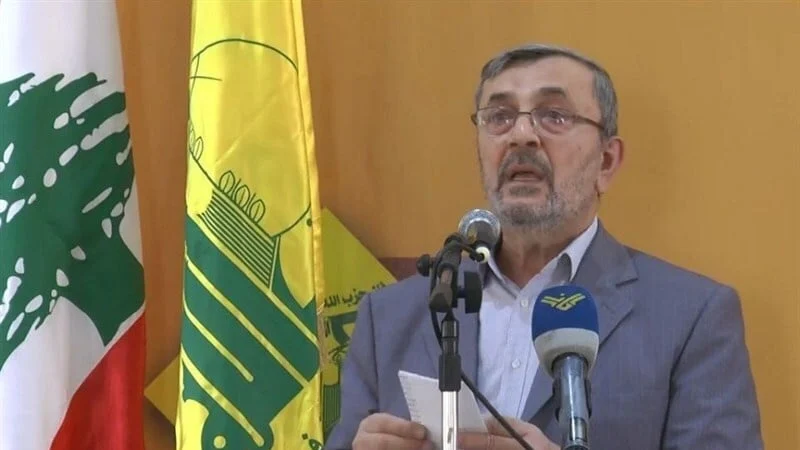
Hezbollah, however, has flatly rejected both the deal and the Israel-Lebanon negotiations that underpin it, creating a significant hurdle for implementation. The group triggered the latest war in March, leading to the current push for a resolution regarding its presence in the south and its armed status. Despite this rejection, violence has significantly decreased after the signing of a framework agreement between the US and Iran last month, alongside Lebanon's continued negotiations with Israel. This reduction in hostilities is seen as a positive development that could facilitate the implementation of the southern Lebanon agreement, offering a glimmer of hope for a de-escalation of the conflict. The framework agreement itself has been a complex undertaking, involving extensive diplomatic maneuvering to bridge the divides between the involved nations and pave the way for broader regional stability.
Lebanese President's Stance
Mr. Aoun has staunchly criticized Hezbollah's decision to pull Lebanon into war, publicly expressing his disapproval of the group's actions and their consequences for the nation. The Lebanese President is hoping Mr. Trump will further pressure Israel to withdraw from occupied Lebanese lands, a key objective for his administration and a long-standing demand of the Lebanese state. Mr. Aoun is also expected to ask for more aid to the Lebanese army during his visit, recognizing the critical role the army plays in national security and in implementing any future agreements. His election as president in early 2025 received Western support, signaling international confidence in his leadership and his potential to guide Lebanon towards greater stability. Mr. Aoun is the first Lebanese president to be invited to Washington since 2009, marking a significant diplomatic engagement between the two nations and noting the urgency of the current situation. This invitation itself is a testament to the renewed focus of the international community on resolving the Lebanese crisis and ensuring the country's sovereignty. The President's visit is therefore not just a ceremonial occasion but a key working trip aimed at securing tangible support and diplomatic leverage for Lebanon.
US and Israeli Demands
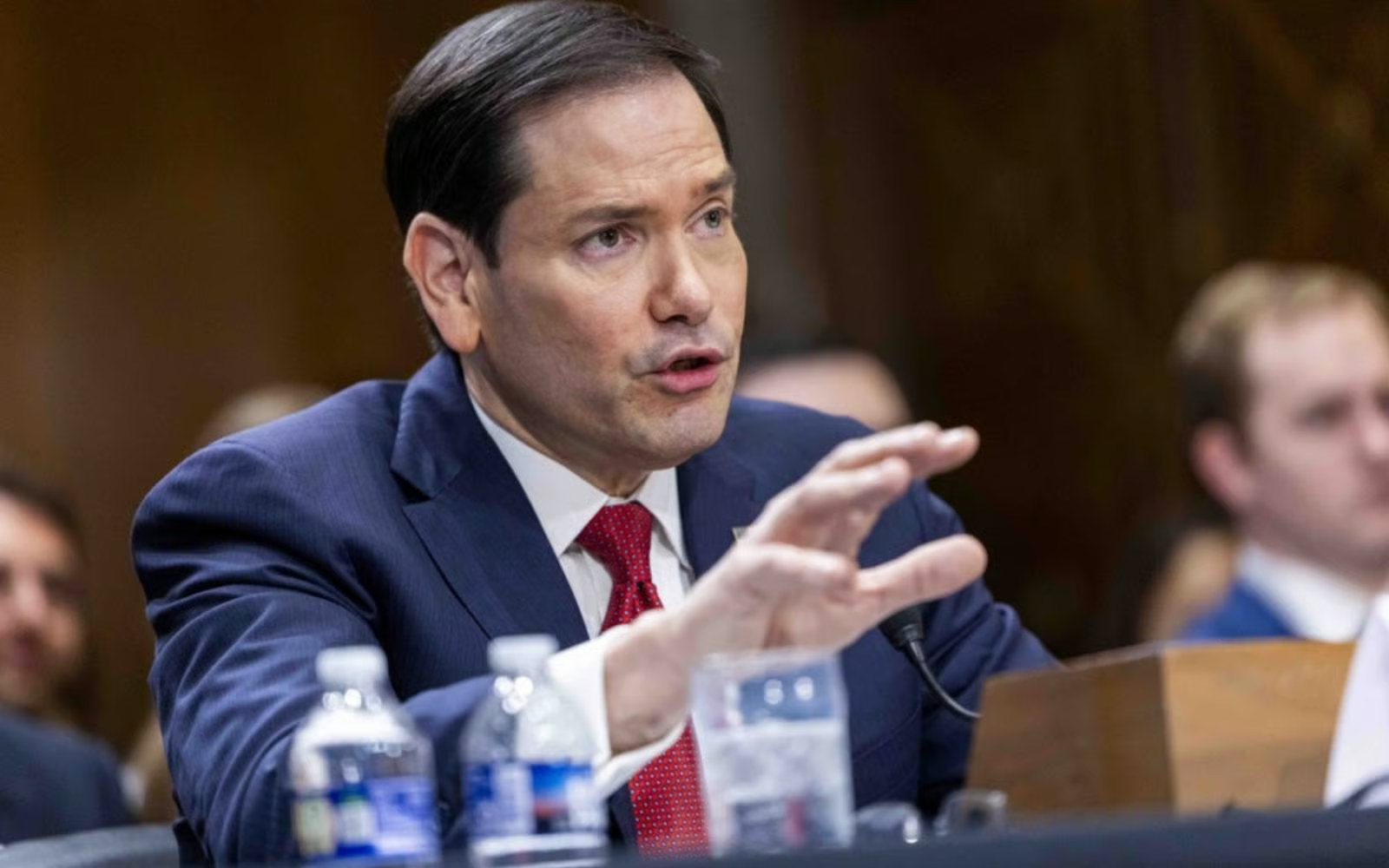
Israel has consistently refused to withdraw from Lebanese territory as long as Hezbollah remains an armed entity, viewing the group as a direct threat to its security. This unwavering stance forms the bedrock of Israel's policy regarding its northern border. US Secretary of State Marco Rubio affirmed this position, stating unequivocally, "As long as that problem exists, Lebanon will never truly get peace." This statement shows the deep concern within the US administration regarding Hezbollah's continued military capabilities and its impact on regional stability. Mr. Rubio also "commended the courage of the government of Lebanon for their determined effort to reclaim Lebanon's sovereignty, disarm Hezbollah and dismantle its terrorist infrastructure," indicating strong US support for Lebanon's state institutions in confronting the armed group. This commendation notes the US expectation that the Lebanese government will take active steps to assert its authority.
According to Robert Satloff, a prominent voice on Middle Eastern affairs, the US president would seek specific assurances from Mr. Aoun during their meeting. These guarantees would include a commitment from the Lebanese President to root out army officers believed to be complicit with Hezbollah, thereby addressing concerns about internal military integrity and loyalty. The US president would expect assurances for an eventual commitment to establish peace with Israel, a long-term goal that would fundamentally alter the regional dynamic. Hezbollah, for its part, has repeatedly rejected any calls for its disarmament, maintaining its right to bear arms as a resistance movement. This steadfast refusal presents a significant challenge to any peace initiatives and remains a primary obstacle to the full implementation of any withdrawal agreement. The group views its armed status as essential for national defense, a perspective that clashes directly with Israeli and US demands for its demilitarization.
Regional Context and History
The ongoing conflict has had a devastating impact on Lebanon. Authorities in Lebanon reported that Israeli strikes have since killed more than 4,300 people in the country, a grim statistic that notes the human cost of the protracted hostilities. The scale of civilian casualties shows the urgent need for a lasting peace and the cessation of military operations. The regional dynamics surrounding Lebanon are complex, involving various actors with differing interests. Syrian President Ahmed al-Sharaa had previously stated that his country had no intention to intervene in Lebanon, attempting to distance Syria from the internal affairs of its neighbor. This declaration aimed to allay fears of Syrian involvement, which has historically been a sensitive issue in Lebanese politics. Conversely, US President Donald Trump had repeatedly called for Syria to intervene in Lebanon, urging its involvement in the regional situation. These contradictory positions from regional and international powers further illustrate the intricate web of alliances and rivalries that influence Lebanon's fate, demonstrating the multifaceted pressures and expectations placed upon the small nation. The history of external involvement in Lebanon has often complicated efforts to achieve internal stability and sovereignty, making the current diplomatic push all the more critical for the country's future.