Lebanese President Joseph Aoun is scheduled to meet President Trump at the White House tomorrow, as tensions escalate following the deaths of three Americans in the recent conflict. The meeting occurs amidst a backdrop of regional instability, with President Aoun expected to seek U.S. Pressure on Israel for withdrawal from Lebanese territories. President Trump issued a strong warning regarding American casualties, stating, "Every time Iran kills an American soldier they will pay for that killing many times over!" This significant diplomatic engagement marks the first time a Lebanese head of state has visited the White House since 2009, showing the urgency and importance of the discussions.
President Trump confirmed that this directive has been communicated to key military officials. "This directive has been passed on to Secretary of War, Pete Hegseth, Chairman of the Joint Chiefs of Staff, Daniel Caine, and every Leader in the Military," Trump said. The upcoming discussions follow a framework agreement established between the U.S. Israel, and the Lebanese government on June 26, which aimed to address regional security concerns. The deaths of three U.S. Personnel in the last few days show the volatile situation as diplomatic efforts continue, adding a somber note to the high-stakes meeting. The presence of President Aoun at the White House signals a renewed focus on finding resolutions to the deeply entrenched conflicts affecting the region.
Escalating Conflict and Diplomatic Efforts
Hezbollah, the Islamic “Party of God” backed by Iran, was catalyzed into existence by Israel’s 1982 invasion of Lebanon. The group's continued presence and activities are central to the ongoing security concerns in the region. A significant escalation in the conflict occurred in September 2024 with the "pager attacks," which injured more than 3,000 people. These attacks marked a severe intensification of hostilities, leading to widespread casualties and further destabilizing the already fragile regional environment. Less than three months after these devastating attacks, Syria’s former president, Bashar Assad, was deposed, an event that further reshaped the political landscape of the Middle East.
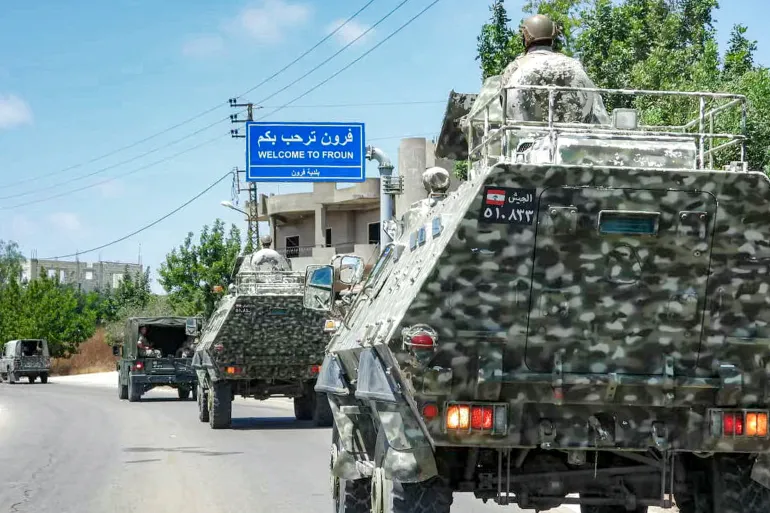
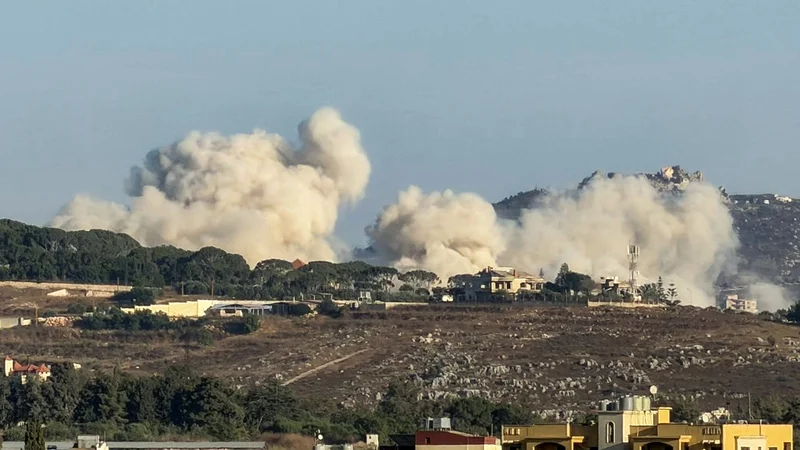
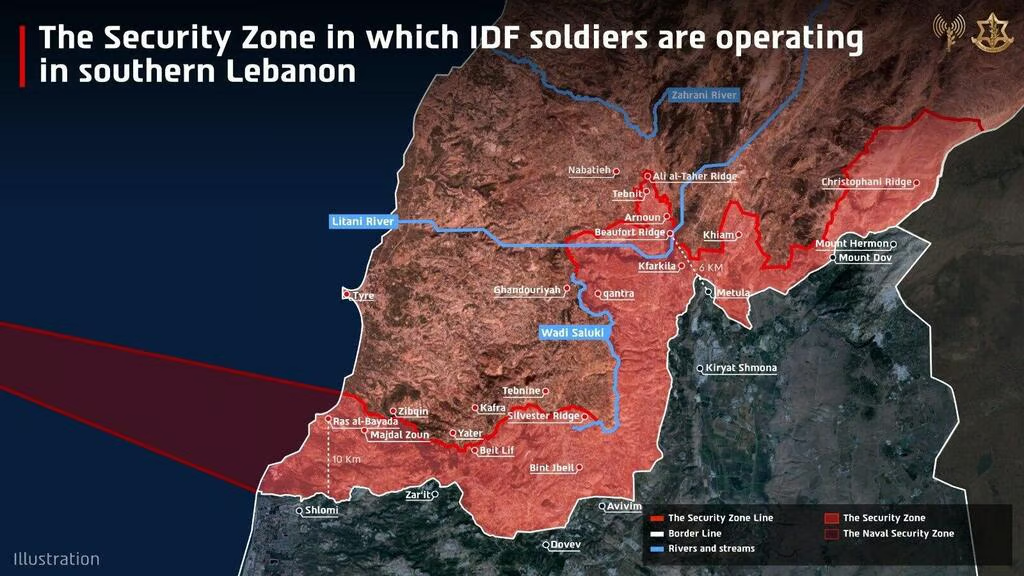
The United States and Israel launched a joint attack on Iran on February 28, a move that dramatically escalated regional tensions. In response to this offensive, Hezbollah launched rockets into Israeli territory, demonstrating solidarity with its Iranian backers and directly contributing to the cycle of violence. Israel retaliated by invading southern Lebanon, seizing territory miles deep into its northern neighbor. This military action led to further displacement and casualties among the civilian population.
Since the March escalation, more than 4,300 Lebanese people have been killed by Israel, noting the severe human cost of the ongoing conflict. The violence has not been unilateral; the conflict has also resulted in casualties on the Israeli side, with more than 30 Israeli soldiers and at least four Israeli civilians killed. The continuous exchange of hostilities has created a persistent state of insecurity and humanitarian crisis in the border regions. The international community has been closely monitoring these developments, urging de-escalation and a return to diplomatic solutions.
Negotiation Frameworks and Aoun's Plan
The framework agreement established between the United States, Israel, and the Lebanese government on June 26 includes a specific provision for an Israeli withdrawal from Lebanese territory. This withdrawal is contingent upon "the verified disarmament of non-state armed groups and dismantlement of associated infrastructure," according to reports. This condition links the territorial withdrawal to the internal security situation within Lebanon, specifically addressing the presence and capabilities of armed groups not under state control, such as Hezbollah. The inclusion of this clause reflects the complex security concerns that underpin the conflict, acknowledging Israel's demand for security guarantees.
President Joseph Aoun is expected to present a plan to President Trump during their upcoming meeting that outlines how to expedite an Israeli withdrawal from "pilot zones." This initiative suggests a phased or localized approach to the broader withdrawal, potentially focusing on specific areas as a test case for the agreement's implementation. The proposal from President Aoun seeks to accelerate the process outlined in the June 26 framework, indicating a desire to move beyond the conditional clauses and towards concrete actions on the ground. The discussions between the two leaders will likely delve into the practicalities and timelines for such a plan, including how the disarmament of non-state armed groups would be verified in these pilot zones. This diplomatic effort comes as regional tensions remain high, with ongoing conflict impacting both Lebanese and Israeli populations. The proposed plan aims to find a pathway for de-escalation and the implementation of the previously agreed-upon framework, offering a potential route to stability.
The framework agreement represents a significant diplomatic undertaking, aiming to create a structured pathway for resolving long-standing territorial and security disputes. Its success hinges on the willingness of all parties to adhere to the agreed-upon conditions and to engage in good-faith negotiations. The concept of "pilot zones" could provide a key testing ground for the mechanisms of disarmament verification and the practicalities of a phased withdrawal, potentially building confidence between the involved parties. The detailed discussions between President Aoun and President Trump will be critical in determining the viability and timeline for implementing such a strategy, especially given the immediate need to address the recent American casualties and the broader regional instability.
Trump's Diplomacy and Regional De-escalation
The upcoming meeting between President Joseph Aoun and President Trump will mark the first time a Lebanese head of state has visited the White House since 2009. This diplomatic engagement occurs amidst heightened regional tensions, which President Trump has addressed with strong rhetoric. President Trump previously stated, "Every time Iran kills an American soldier they will pay for that killing many times over!" He added that this directive has been communicated to key military officials, saying, "This directive has been passed on to Secretary of War, Pete Hegseth, Chairman of the Joint Chiefs of Staff, Daniel Caine, and every Leader in the Military." This firm stance shows the seriousness with which the U.S. Views the safety of its personnel and its commitment to responding to acts of aggression.
Prior to the framework agreement established on June 26, the United States and Iran signed a memorandum of understanding (MOU) more than one week earlier. This MOU mandates an "immediate and permanent termination of military operations on all fronts, including in Lebanon." This provision shows a broader diplomatic effort to de-escalate regional conflicts and establish conditions for stability across the Middle East. The MOU's explicit mention of Lebanon notes the critical role the country plays in the regional security calculus and the pressing need to end hostilities within its borders.
The signing of the MOU between the U.S. And Iran, followed by the framework agreement involving the U.S. Israel, and Lebanon, indicates a concerted diplomatic push to address the multifaceted challenges in the region. These agreements aim to lay the groundwork for a more stable environment by mandating a cessation of military activities and outlining conditions for territorial withdrawals and disarmament. The upcoming discussions between President Aoun and President Trump are expected to build on these prior diplomatic initiatives, focusing on practical steps for implementing such agreements. The success of these efforts will be key for reducing the risk of further escalation and for fostering long-term peace in a region that has been plagued by conflict for decades. The international community will be watching closely to see if these diplomatic overtures can translate into tangible progress on the ground, ultimately leading to a reduction in violence and improved security for all parties involved.