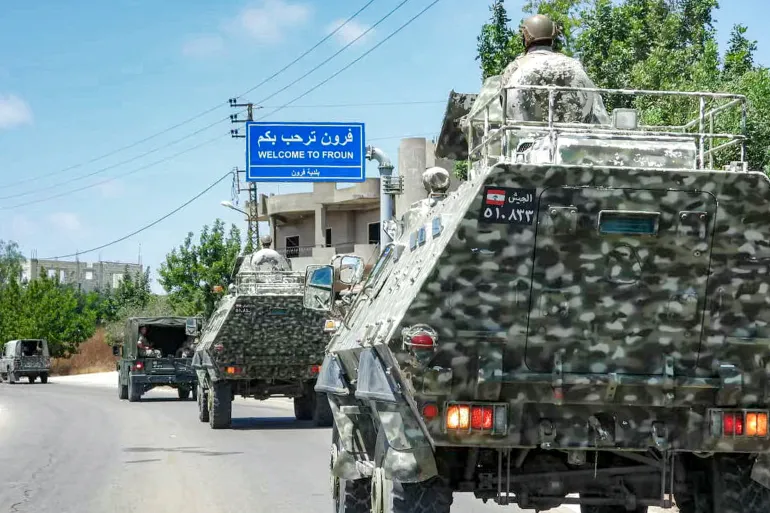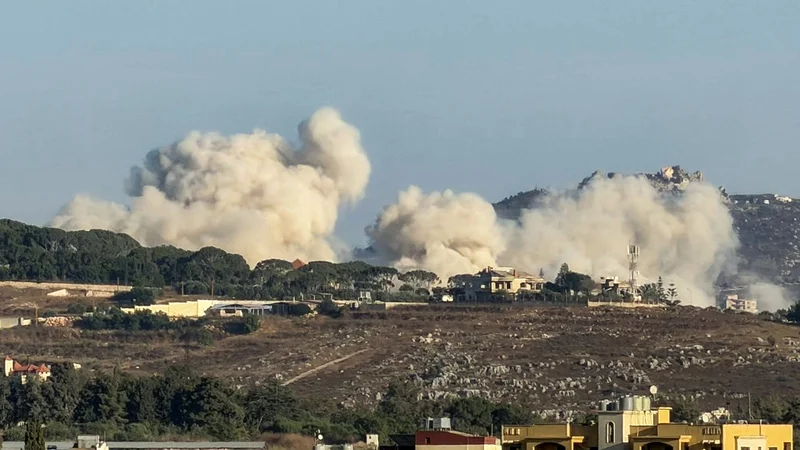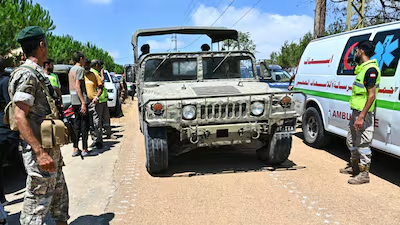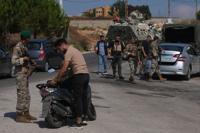
Lebanese soldiers were observed searching vehicles at a checkpoint at the entrance to Srifa village in southern Lebanon on Tuesday, July 21, 2026. This activity occurred amidst heightened regional tensions, with troops maintaining a visible presence in the area. The checkpoint operations are a routine measure in southern Lebanon, a region that frequently experiences security concerns. Military personnel meticulously inspected incoming and outgoing traffic, a common procedure implemented for security purposes. Vehicles approaching the village were systematically stopped and checked by the soldiers. The checkpoint is situated at a key entry point to Srifa village, controlling access to the community. Such security measures are standard practice in areas where vigilance is considered necessary. The presence of Lebanese soldiers at this critical juncture shows the ongoing commitment to maintaining order and preventing illicit activities that could destabilize the region. These systematic inspections are designed to identify any potential threats before they can reach population centers or critical infrastructure.
Escalation in Southern Lebanon
The security situation in southern Lebanon has remained a consistent focus for military forces, particularly in areas bordering the nation's southern frontier. Local security measures, including checkpoints and patrols, have been a regular feature of daily life for residents. These activities are implemented to monitor movement and maintain stability in a region often subjected to geopolitical pressures. The presence of military personnel serves as a visible deterrent and a mechanism for enforcing local security protocols. The strategic deployment of these forces aims to create a secure environment for residents and to manage the flow of traffic and individuals in and out of sensitive zones. The routines established at checkpoints, such as the one at Srifa village, are critical components of this broader security architecture.
Such operations are part of a broader effort to manage potential threats and ensure the safety of communities in southern Lebanon. The ongoing vigilance reflects the complex security landscape that characterizes the region. Military units stationed in these areas are tasked with maintaining order and responding to various security challenges that may arise. The systematic inspection of vehicles and personnel at strategic entry points, such as those leading into Srifa village, is a standard operating procedure. This consistent approach aims to mitigate risks and uphold the integrity of the local security environment. The commitment to these measures shows the persistent need for strong security frameworks in southern Lebanon, reflecting the broader regional dynamics. These efforts are not merely reactive but are also proactive, designed to prevent security breaches and maintain a stable environment in a historically volatile area. The detailed checks performed by soldiers contribute to a full security posture, ensuring that all movements are accounted for and potential risks are identified early.
The daily implementation of these security protocols is a testament to the enduring challenges faced by authorities in southern Lebanon. The constant need for surveillance and control at key access points notes the fragility of peace in the region. These measures are essential for protecting civilian populations and for upholding national sovereignty against external and internal threats. The military's presence is a constant reminder of the state's role in safeguarding its territory and citizens. These operations often involve close coordination among various security branches to ensure maximum effectiveness and coverage across the region. The thoroughness of the inspections, from examining vehicle contents to verifying identification, is critical to their success in a region where vigilance cannot be overstated.
Regional Power Dynamics
Regional security dynamics continue to shape the environment in Lebanon, particularly in southern Lebanon, where various regional actors maintain significant interests. The interplay of these forces often dictates the pace and nature of security operations within the country. Lebanon's geographical position places it at a critical juncture for multiple regional powers, influencing its internal stability and external relations. This complex web of alliances and rivalries frequently manifests in heightened security postures and military activities across its territory. The strategic importance of southern Lebanon makes it a focal point for these competing interests, leading to a continuous need for strong security measures.
The presence of differing state and non-state actors contributes to an intricate security landscape. These entities often operate with distinct agendas, which can converge or conflict, impacting the broader regional equilibrium. Maintaining a neutral stance amidst these pressures is a constant challenge for Lebanese authorities, who must balance domestic security needs with the broader geopolitical context. The country's borders, especially in southern Lebanon, are therefore subject to continuous scrutiny and military vigilance. This constant monitoring is a direct consequence of the regional power dynamics that exert influence over Lebanese territory. The authorities must navigate a delicate balance to preserve national interests while contending with external pressures.
Decisions made by regional governments frequently reverberate through Lebanon, affecting everything from economic stability to security measures. The actions of neighboring states and their allies can directly influence the operational tempo of Lebanese military and security forces. Such external influences are a widespread element of the security calculus in Lebanon, necessitating adaptive and responsive strategies from its defense institutions. The region's history of conflict and cooperation further complicates these interactions, demanding nuanced approaches to national security. The security operations observed in places like Srifa village are a direct manifestation of these larger geopolitical forces at play, reflecting the constant need for readiness and adaptation.
The persistent focus on security in areas such as Srifa village reflects the broader regional anxieties. These local operations are often a direct consequence of larger geopolitical considerations, rather than isolated incidents. They serve as tangible indicators of the ongoing efforts to manage potential threats stemming from the wider regional environment. The continuous monitoring of traffic and movement, as seen at checkpoints, shows the enduring impact of these broader dynamics on daily life and security protocols within Lebanon. The regular presence of military personnel and the systematic nature of their checks are clear indicators of the state's intent to assert control and maintain stability in a challenging regional context. This commitment to security is a fundamental aspect of managing the complex interplay of regional interests.
International Reactions and Concerns
International bodies and various national governments have consistently expressed concerns regarding the escalating tensions in the Middle East, particularly those involving Lebanon, Israel, and Iran. Diplomatic efforts frequently focus on de-escalation and the protection of civilian populations in southern Lebanon, a region often at the forefront of regional dynamics. The United Nations has repeatedly called for restraint from all parties, emphasizing the importance of upholding international law and ensuring stability. These calls for calm are a recurring theme in international discourse concerning the region, reflecting the widespread apprehension about potential wider conflict.
International observers closely monitor the security situation on the ground, including military movements and security operations in areas like Srifa village. These organizations often highlight the potential for wider conflict and the humanitarian implications should the situation deteriorate further. Many nations with strategic interests in the region have issued travel advisories and maintained communications with their citizens in Lebanon. The detailed observation of local security activities, such as checkpoint operations, provides key data for these international assessments and helps inform policy decisions regarding regional stability. The international community recognizes that even localized security measures can be indicators of broader trends.
Governments in Europe, North America, and other parts of the world have showed the need for a diplomatic resolution to the underlying issues fueling the tensions. They have frequently engaged in bilateral and multilateral discussions aimed at preventing a broader regional confrontation. Concerns extend beyond immediate security to encompass the potential impact on regional trade routes, energy supplies, and the global economy. The fragility of Lebanon's internal political and economic situation also remains a significant concern for international donors and partners, who fear further destabilization could exacerbate existing crises. These international responses collectively aim to mitigate risks and encourage dialogue among the principal actors involved in the conflict. The consistent international focus on de-escalation notes the global ramifications of instability in this critical geopolitical area. The international community's engagement is a continuous effort to prevent a deterioration of the security situation and to promote long-term peace.