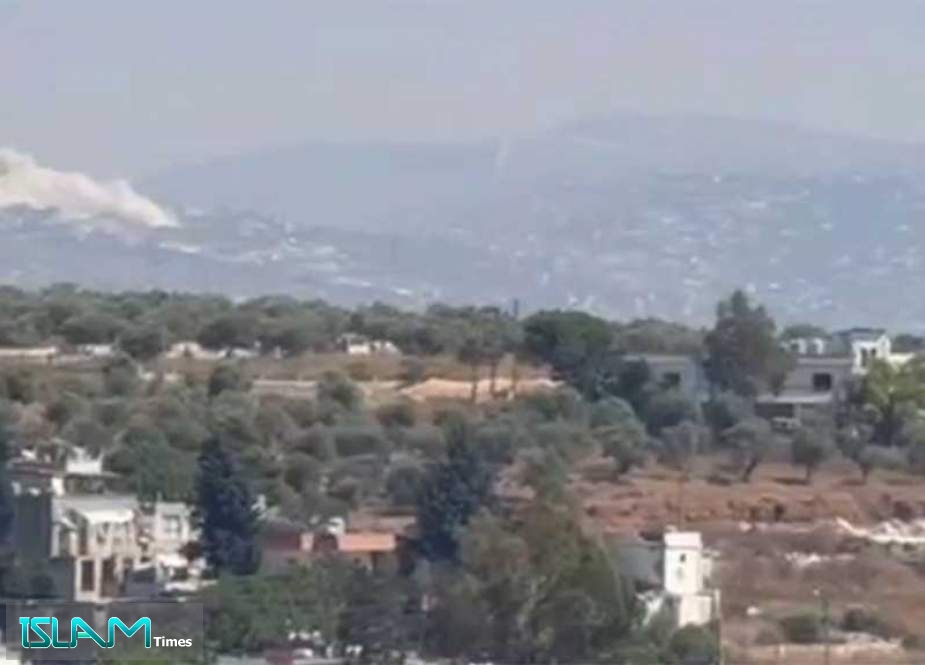
The Israeli military conducted new demolition operations in southern Lebanon and intensified drone activity over Beirut and its southern suburbs. These actions took place amidst ongoing regional tensions, drawing strong condemnation from Lebanese authorities. Demolition operations were reported in locations such as the Tyre district, specifically near Mansouri, and in the Marjayoun district, particularly around Qlayaa. Simultaneously, increased Israeli drone overflights were observed above Lebanon's capital, Beirut, and its southern residential areas. These military actions have been described by Lebanese authorities as further violations of the US-mediated framework agreement between Lebanon and the Israeli occupation, an accord aimed at de-escalating tensions and facilitating a withdrawal of forces.
Escalating Military Actions and Persistent Occupation
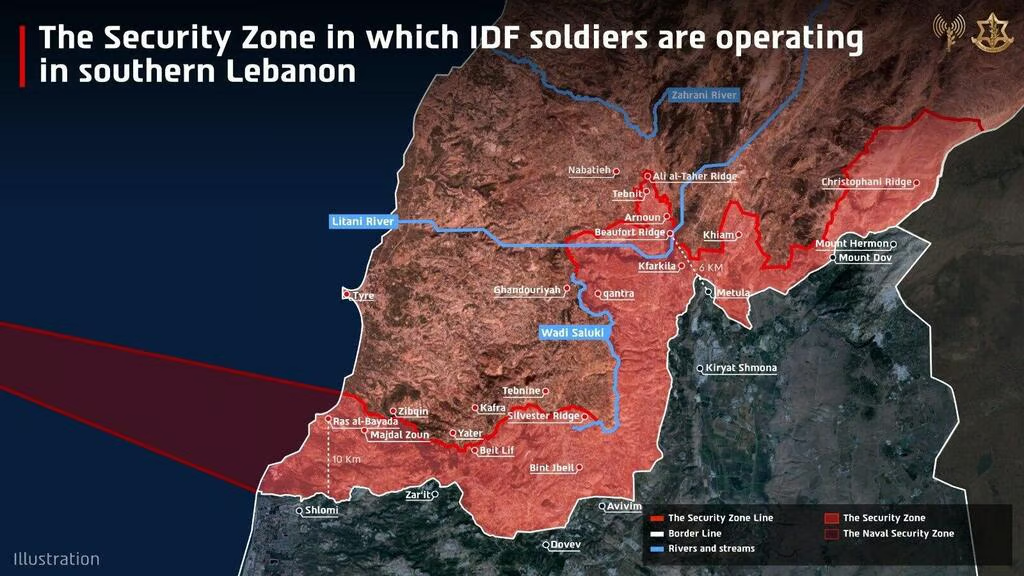
The Israeli occupation maintains its presence in parts of southern Lebanon, according to local reports. This includes not only areas occupied for decades but also additional territory seized during the military escalation that occurred between October 2023 and November 2024. The continued presence and recent military activities show the persistent challenges to stability in the region.
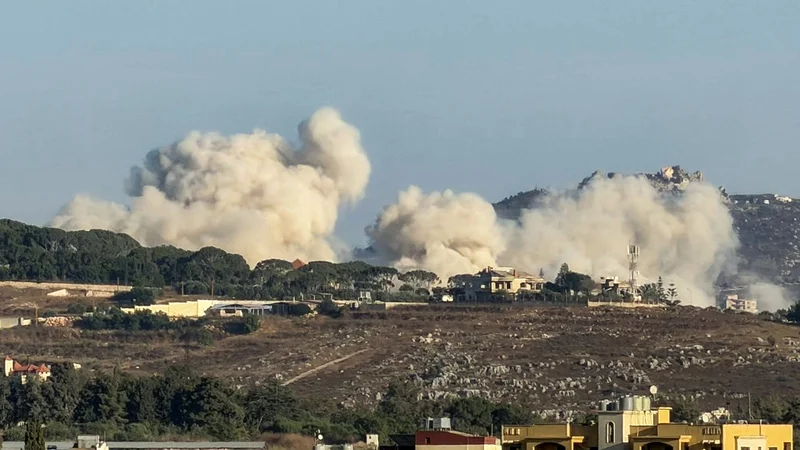
On Monday before noon, a powerful explosion occurred in the southern town of Kfartebnit. This blast was confirmed to be the result of an Israeli demolition operation, causing significant concern among local residents. The nature of the demolition operations, often involving the destruction of structures or the disposal of ordnance, contributes to an atmosphere of instability in the affected areas. Separately, an Israeli drone dropped a stun grenade over the town of Mansouri, located in the Tyre district of southern Lebanon, adding to the psychological impact on the civilian population.
Israeli drones have also been observed conducting repeated flights over Beirut and its southern suburbs. These persistent overflights are a source of tension and are often perceived as a violation of Lebanese airspace and sovereignty. Additionally, Israeli aircraft carried out mock air raids along Lebanon's northern border and above the mountainous regions of Akkar and Hermel. Such actions, characterized by low-altitude flights and sonic booms, are often used to assert aerial dominance and can cause alarm among residents in these areas.
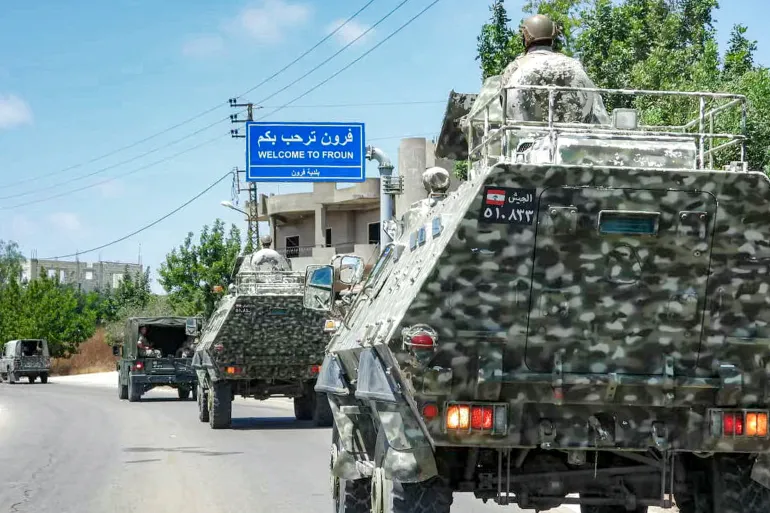
In the Marjayoun district, three explosions were heard in the town of Qlayaa. The National News Agency (NNA) later clarified that these blasts in Qlayaa were controlled detonations. The Lebanese Army conducted these operations to safely dispose of unexploded ordnance, shells, and rockets. These munitions were described as remnants from previous Israeli attacks, noting the enduring legacy of past conflicts and the ongoing efforts required for safe clearance. The Lebanese Army's proactive measures to neutralize these dangerous remnants are key for the safety and security of the local population in Qlayaa and surrounding areas.
US-Mediated Withdrawal Accord: Terms and Challenges
A framework agreement was concluded last month between the Lebanese government and the Israeli occupation, facilitated by US mediation. This accord outlines a phased withdrawal of Israeli forces from Lebanese territory. The terms of the agreement specify the evacuation of areas occupied for decades, in addition to territories seized during the military escalation that occurred between October 2023 and November 2024. The full nature of the withdrawal aims to address both long-standing territorial disputes and more recent acquisitions.
Despite these provisions, the agreement does not stipulate a fixed timetable for the withdrawal process, a point of contention for some Lebanese factions. The absence of a concrete timeline raises questions about the pace and commitment to the full implementation of the accord. The implementation of the withdrawal is dependent on the Lebanese Army’s capacity to assume full security responsibilities within the evacuated territories. This condition places a significant burden on Lebanon's military capabilities and resources, as it requires the Lebanese Army to effectively secure and administer these areas following any Israeli pullout. The US mediation was critical in bringing the two parties to the negotiating table, aiming to establish a pathway for de-escalation and a more stable border environment. However, the practicalities of implementation and the political will on both sides remain significant hurdles.
Political Opposition and Condemnation of the Agreement
Lebanese authorities described the recent Israeli military actions, including demolition operations and intensified drone activity, as further violations of the US-mediated framework agreement between Lebanon and the Israeli occupation. This assessment suggests a perception that Israel is not adhering to the spirit or terms of the nascent accord.
Political opposition to the agreement has emerged within Lebanon, indicating significant internal divisions regarding its efficacy and implications for national sovereignty. Lebanese Parliament Speaker Nabih Berri has pledged to oppose the agreement politically. His strong stance signals a formidable challenge to the accord's acceptance within the Lebanese legislative body. Berri also vowed to block the agreement's ratification within parliament, indicating significant legislative hurdles for its implementation. This parliamentary resistance could effectively stall or even derail the agreement, regardless of its international backing.
Senior Hezbollah lawmakers have also condemned the framework agreement, expressing strong disapproval of its terms. These lawmakers described the agreement in critical terms, characterizing it as a humiliation for Lebanon. They further stated that the accord represents a disgrace and a surrender of Lebanese sovereignty, noting fundamental objections to its provisions and perceived implications for national autonomy. Their detailed criticisms show a deep ideological opposition to any agreement that they believe compromises Lebanese independence or legitimizes Israeli actions. These condemnations suggest a broad front of political resistance to the US-mediated deal within Lebanon's political landscape, making its path to full implementation highly uncertain. The combined opposition from influential figures like Nabih Berri and senior Hezbollah lawmakers represents a formidable obstacle that the Lebanese government and international mediators will need to address to ensure the agreement's viability.
Humanitarian Impact and Casualties
Official Lebanese figures indicate that Israeli attacks have resulted in a significant number of casualties since the latest phase of aggression commenced on March 2. According to these figures, 4,328 people have been killed during this period. The human cost of the ongoing conflict is a critical aspect of the situation, showing the urgency of de-escalation and the implementation of lasting peace. The same sources further report that 12,227 individuals have sustained injuries in these incidents. These statistics reflect the severe humanitarian impact recorded by Lebanese authorities since the start of the current aggression phase, noting the widespread suffering endured by the civilian population. The figures provide a stark reminder of the devastating consequences of military operations on communities and individuals, emphasizing the need for humanitarian aid and protection for those affected.