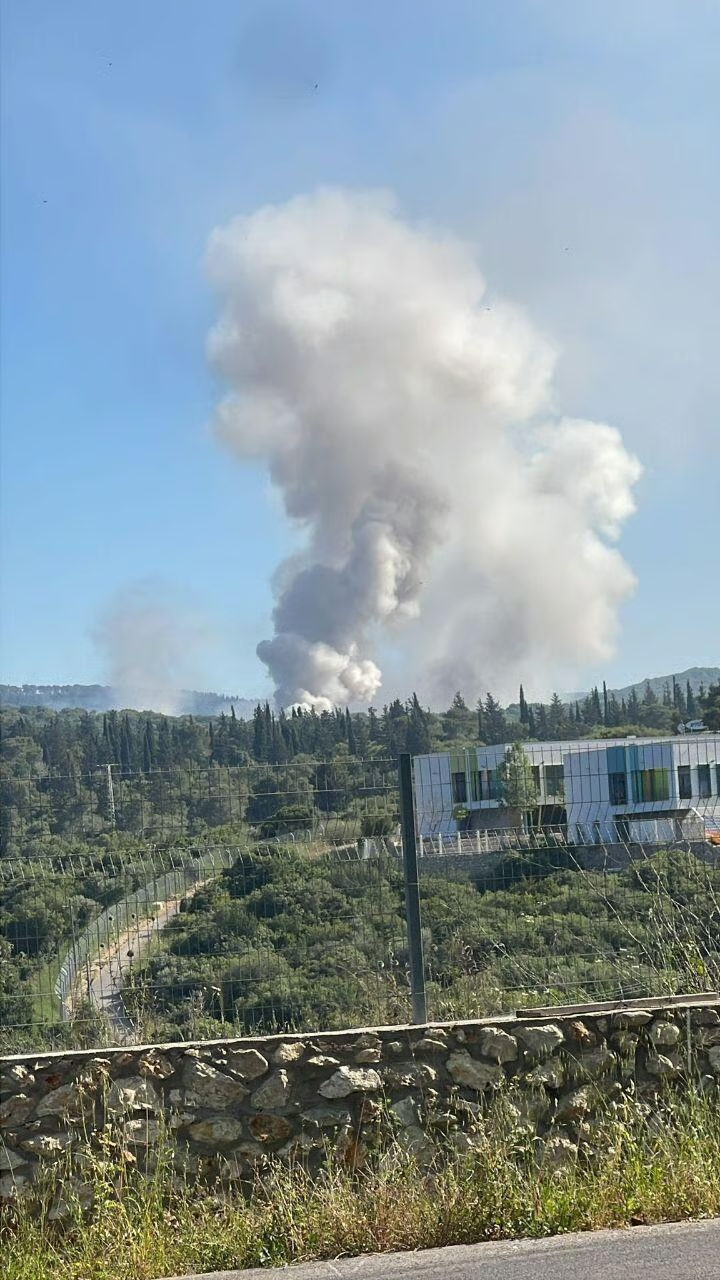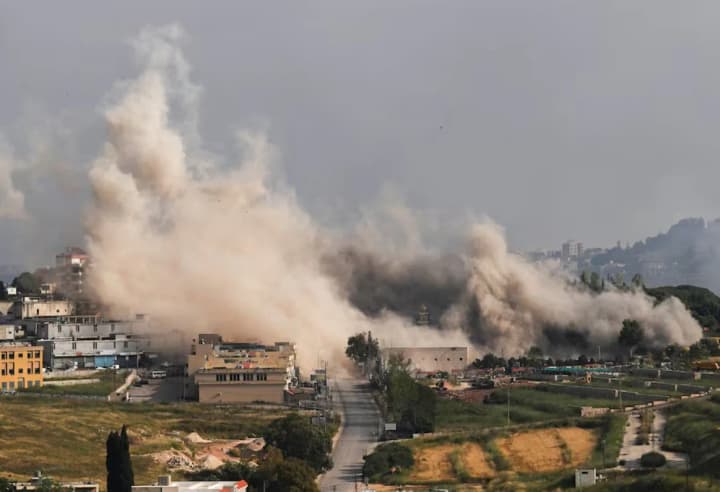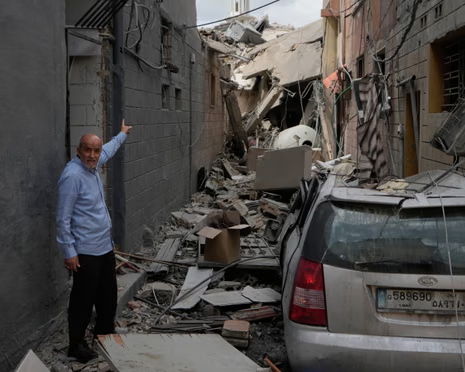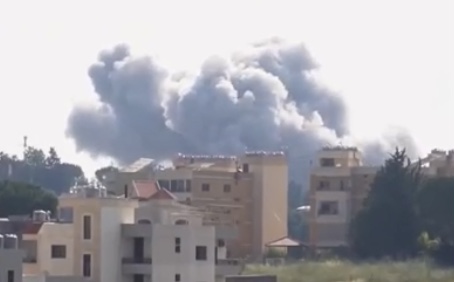
May 27, 2026 – The Israel Defense Forces (IDF) continues striking targets across southern Lebanon and beyond, escalating its offensive into May 2026. This intensified military action is part of a broader strategy to address security concerns along Israel's northern border. Israeli Defense Minister Israel Katz stated that operations against Hezbollah will proceed with full force, indicating a resolute approach from Jerusalem. Mr. Katz emphasized the critical importance of ensuring the safety of Israeli citizens, noting that displaced residents of southern Israel will not return to their homes until long-term security is guaranteed in the region. This declaration shows the Israeli government's commitment to creating a secure environment for its northern communities, which have been significantly impacted by cross-border hostilities.
Intensified Strikes and Litani Zone
Prime Minister Benjamin Netanyahu stated that Israel is intensifying its operations in Lebanon, signaling a significant escalation in the ongoing conflict. Mr. Netanyahu declared, "We are intensifying our operations in Lebanon. The IDF is operating with significant forces on the ground and taking control of strategically dominant positions. We are reinforcing the security buffer zone in order to protect the communities of northern Israel." This statement notes Israel's dual strategy of direct military engagement and the establishment of a defensive perimeter. As part of these operations, bridges spanning the Litani River were among the initial targets bombed by Israel, indicating a focus on disrupting Hezbollah's logistical capabilities and freedom of movement. The military campaign is expanding further north, extending beyond the proposed security zone that Israel aims to establish, suggesting a broader scope for current IDF actions. The Israeli Air Force escalated its fire against Hezbollah, carrying out over 100 strikes in the Beqaa Valley in eastern Lebanon and across the country’s south overnight and throughout Tuesday. These extensive aerial bombardments demonstrate the IDF's capacity to project power across a wide geographic area within Lebanon, targeting various Hezbollah assets and infrastructure.
Hezbollah's Role and Lebanon's State
Lebanon's government and armed forces are overshadowed by Hezbollah, described as a "state within a state" that prioritizes Iran's strategic designs. This characterization points to the militant group's significant influence and autonomy within the Lebanese political and security landscape. Hezbollah has launched attacks on Israel, which observers state align with Tehran's interests rather than those of Beirut, creating a complex geopolitical dynamic where Lebanon's national interests may be secondary to regional power struggles. The Lebanese government periodically pledges to disarm Hezbollah, reflecting an internal struggle for sovereignty and control. However, the militant organization has consistently refused to relinquish its military arsenal, asserting its right to maintain its armed wing. Hezbollah's operational autonomy within Lebanon has long complicated the nation's political and security landscape, hindering the state's ability to fully control its territory and foreign policy. The group's actions are frequently viewed through the lens of its ties to Iran, impacting regional stability and often drawing Lebanon into conflicts that might not directly serve its national agenda. This intricate relationship with Iran provides Hezbollah with substantial resources and strategic direction, further entrenching its position as a dominant, non-state actor in the region.
Israel's Security Objectives
Israel is signaling an expanded security zone that extends to the Litani River, according to official statements, indicating a clear geographical objective for its military campaign. This move aims to establish a fortified buffer, a primary objective for Israel in its current operations, designed to create a physical barrier against future aggression. The creation of this security zone is intended to shield northern Israeli communities from potential Hezbollah rocket fire and infiltration attempts, which have been a persistent threat to residents along the border. The Israeli government views this buffer as key for the long-term security of its northern border residents, believing it will provide the necessary protection to allow displaced populations to return home safely and rebuild their lives without fear of immediate threats. This strategic objective reflects Israel's determination to unilaterally secure its borders if diplomatic solutions prove insufficient.
US Restraints and IDF Frustration
A senior Israel Defense Forces (IDF) official expressed frustration regarding external limitations on their operations, noting the complex web of diplomatic and political considerations influencing military decisions. The official stated, "We need to do much more. Israeli sovereignty is being violated every day. The IDF is exercising significant restraint because we are operating under understandings with the United States and the Lebanese government. We cannot accept the current reality without the ability to respond." This strong statement shows the perceived challenges of balancing national security objectives with diplomatic considerations, particularly those involving key international allies like the United States. The official's remarks reveal a tension between the IDF's desire for decisive military action and the constraints imposed by international relations and agreements. These restraints reportedly influence the scope and intensity of IDF actions in the ongoing offensive, suggesting that the full extent of Israel's military capabilities may not be unleashed due to external pressures and diplomatic agreements. The understandings with the United States and the Lebanese government are seen as factors that temper Israel's response, even in situations where Israeli sovereignty is believed to be under threat.