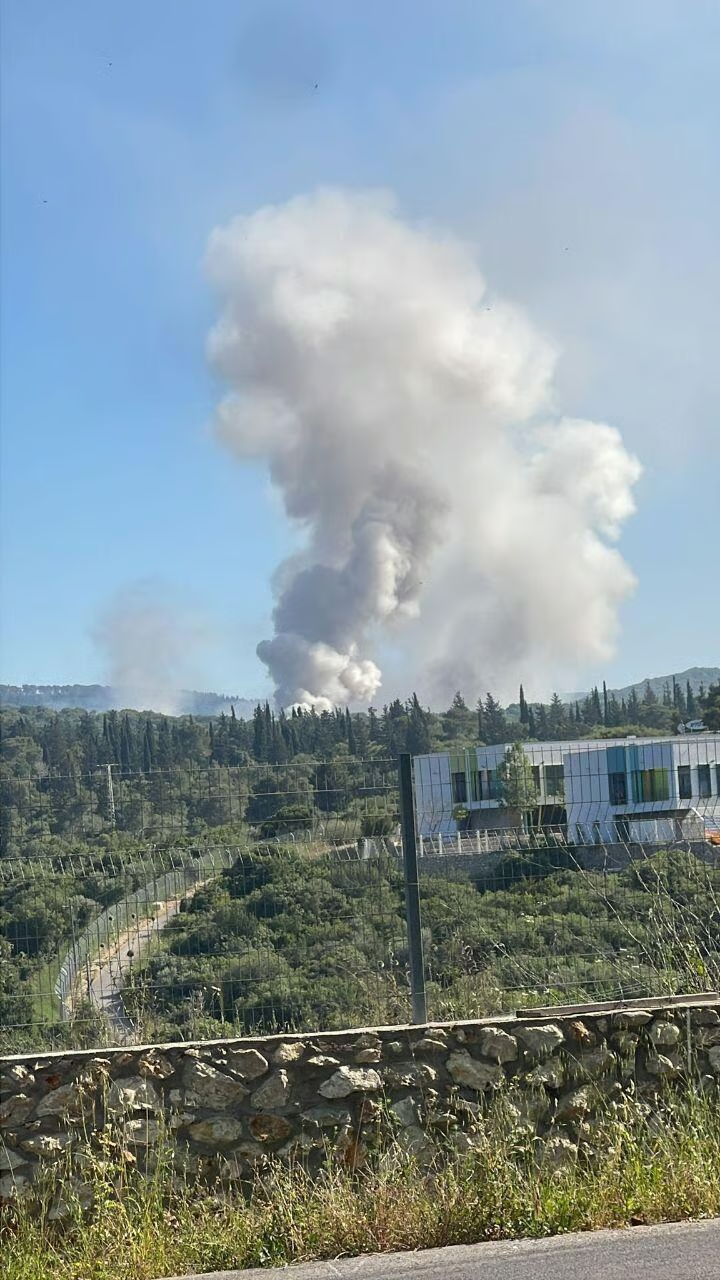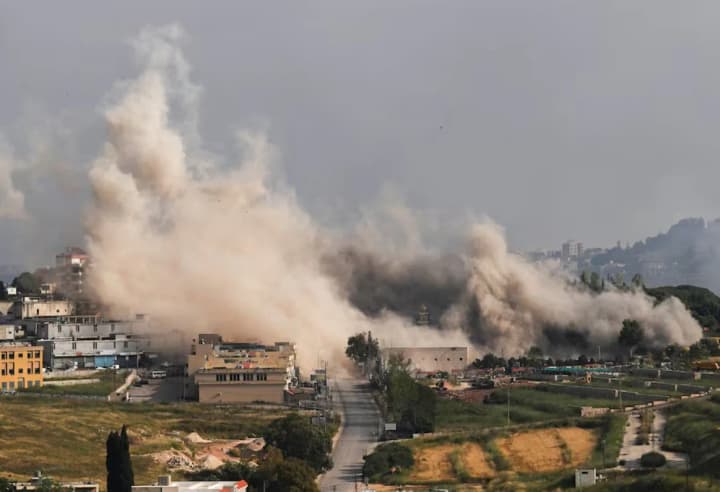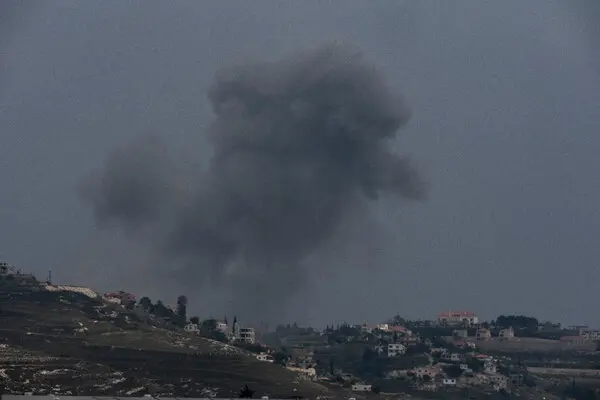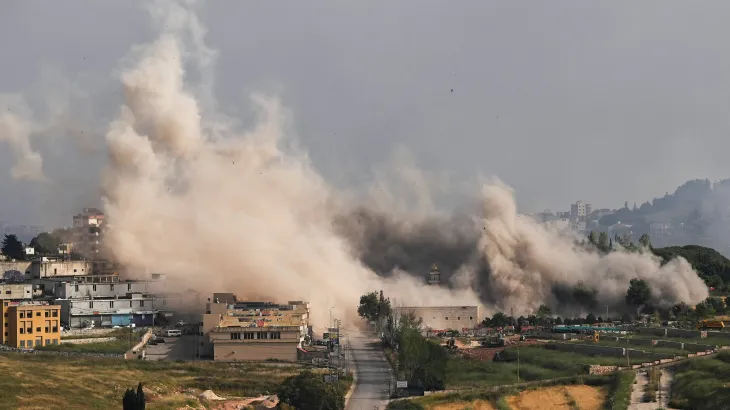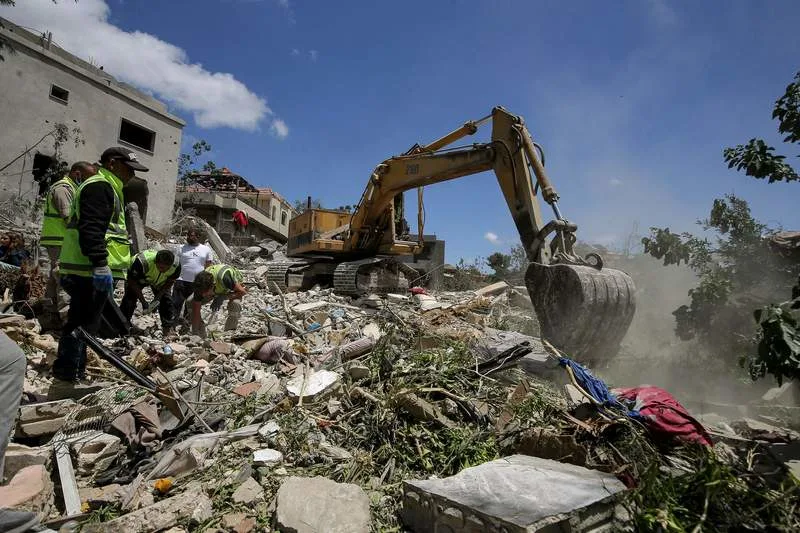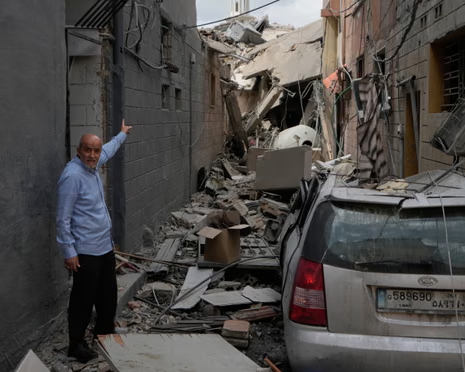
The ongoing conflict in Lebanon has resulted in a significant humanitarian toll. Unicef estimates that, as of May 13, 2026, nearly 14 children have been killed daily in Lebanon since March 2, 2026. This stark statistic shows the profound human cost of the escalating situation. The humanitarian impact extends further, with more than 1 million people in Lebanon, representing approximately 20% of the country's population, currently displaced from their homes. This widespread displacement contributes significantly to an ongoing humanitarian crisis within Lebanon, placing immense strain on resources and aid efforts.
The Israeli government has stated its intention to control a "security zone" extending 30km into Lebanese territory. This declaration outlines a significant territorial claim. Further elaborating on this stance, Israel’s defence minister, Israel Katz, has advocated for the indefinite occupation of an area of southern Lebanon. His proposal suggests establishing the Litani river as Israel’s northern border, a move that he estimates would necessitate the displacement of 600,000 people from their homes and communities. Such a large-scale displacement would inevitably exacerbate the already dire humanitarian situation and reshape the demographic landscape of the affected region.
Echoes of Past Conflicts
The current crisis unfolds against a backdrop of a tumultuous history, marked by recurring periods of conflict and instability. The author's parents, for instance, experienced being stranded overseas for months in 2006 due to a war between Lebanon and Israel, noting the abrupt and broad consequences of regional hostilities. Just two years later, in 2008, a few days of clashes in Lebanon again directly impacted the author's family, preventing her mother and sister from leaving their house and showing the localized, immediate threat posed by such flare-ups.
Despite these volatile periods, the perception of Beirut has seen dramatic shifts. In January 2009, the New York Times named Beirut its number one place to visit that year, a testament to the city's resilience and vibrant cultural life, even amidst a history of conflict. These past events show a history of abrupt shifts between conflict and perceived stability in the region, creating a complex and often unpredictable environment for its inhabitants. Separately, in 2022, Russia invaded Ukraine, an event that, while geographically distant, contributes to a global context of geopolitical instability and humanitarian crises.
The 'Gaza Playbook' in Action
The daily realities of life in Lebanon, even outside direct conflict zones, reflect a society under strain. A personal driving lesson experience in Beirut, for example, involved a vehicle in disrepair, drivers disregarding traffic regulations, and the instruction being conducted entirely in Arabic, illustrating the unique challenges and cultural nuances of navigating daily life.
The conflict itself has seen significant military actions from both sides. Hezbollah has launched thousands of rockets into northern Israel, leading to considerable disruption and security concerns for Israeli communities. In response, Israeli airstrikes have consistently impacted health infrastructure within Lebanon, raising serious concerns about access to medical care for the civilian population. Reports suggest these strikes appear to be targeting medics with "double-tap" strikes, a tactic that involves a second strike on the same location shortly after the first, potentially endangering first responders. Experts, including Human Rights Watch, report documenting the use of white phosphorus in civilian areas, a chemical substance known for causing severe burns and typically restricted from use in populated zones.
The scale of Israeli military operations within Lebanon has also drawn international scrutiny. In March 2026, Israel bombed an 11-storey building in Beirut. This action followed an unsubstantiated accusation regarding hidden money within the structure, raising questions about the justification and proportionality of such a strike. Adding another layer of complexity to the conflict's internal dynamics, the Israeli military reportedly issued warnings to Christian and Druze communities, advising them against sheltering Shia Muslims in the southern region of Lebanon. This reported warning suggests an attempt to influence communal relations and potentially exacerbate sectarian divisions within the country.
Humanitarian Catastrophe and Accusations
The displacement of over 1 million people in Lebanon, representing approximately 20% of the country's population, creates an ongoing humanitarian crisis within Lebanon, with urgent needs for shelter, food, water, and medical assistance. This mass displacement places immense pressure on already strained public services and aid organizations, noting the critical need for international support and intervention.
Beyond the immediate human suffering, Lebanon has also formally accused Israel of committing ecocide. This grave accusation suggests significant environmental damage attributed to Israeli actions within Lebanese territory. Such claims point to long-term consequences that extend beyond human casualties and infrastructure destruction, potentially impacting the country's natural resources, biodiversity, and agricultural capacity for years to come. The accusation of ecocide shows the multifaceted and devastating impact of the ongoing conflict, noting concerns for both the immediate well-being of the population and the long-term ecological health of the nation.