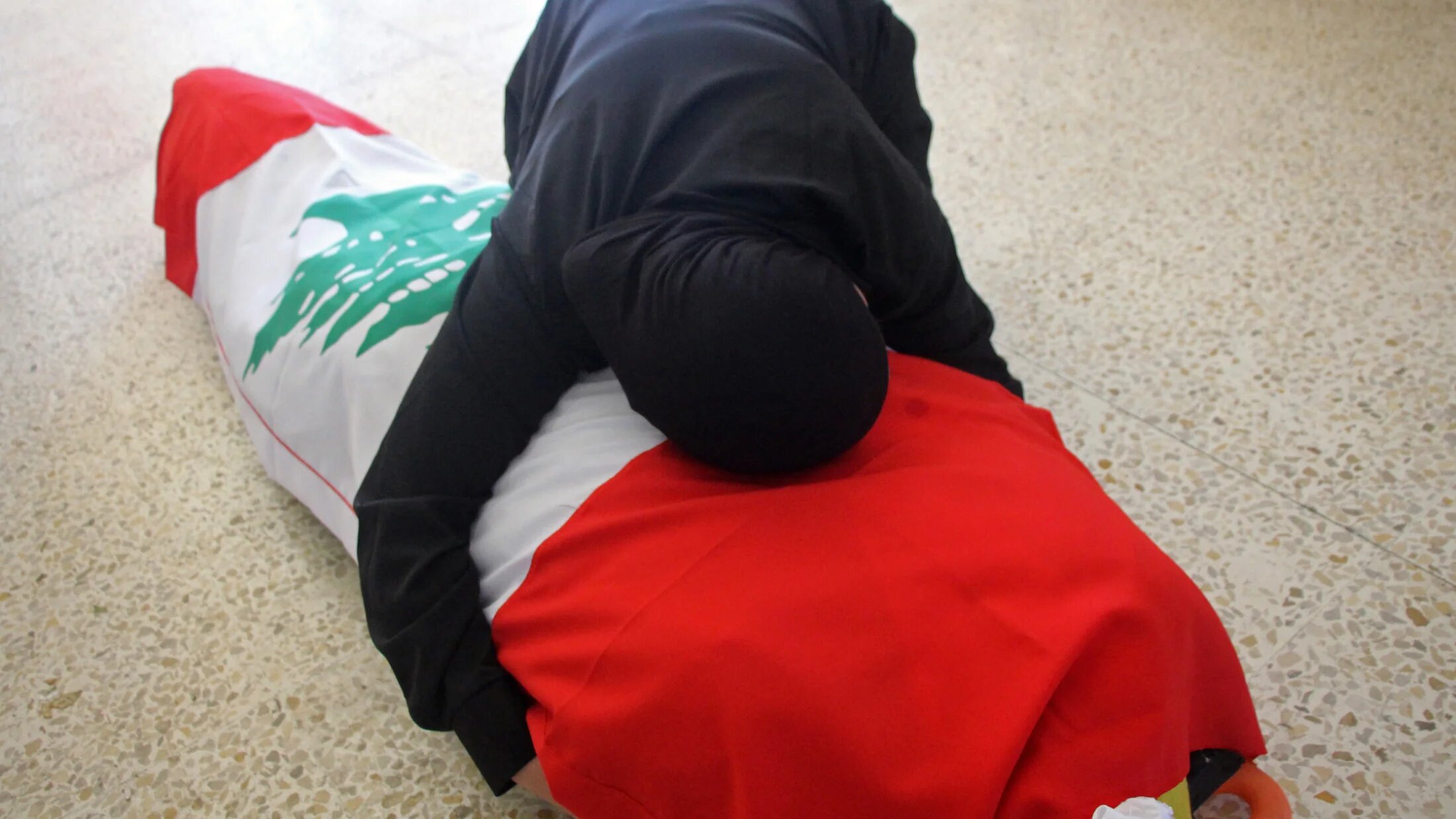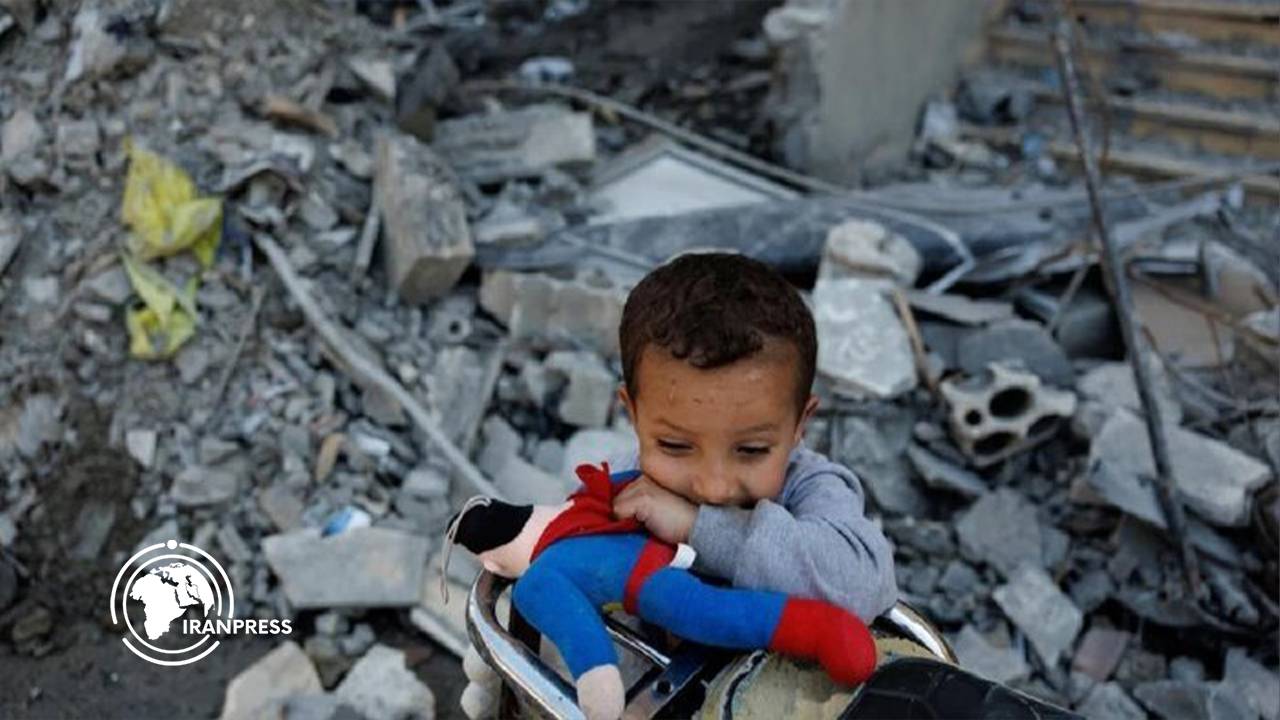
UNICEF has reported that 77 children in Lebanon have been either killed or wounded in attacks by the Israeli regime over the past seven days. The agency's data indicates a significant rise in child casualties in the country during this period, showing the severe impact of ongoing hostilities on the youngest segment of the population. This comes amidst escalating Israeli military operations targeting various locations within Lebanon, contributing to a worsening humanitarian situation. The agency has expressed deep concern over the escalating violence and its disproportionate effect on children.
Recent Attacks Detailed
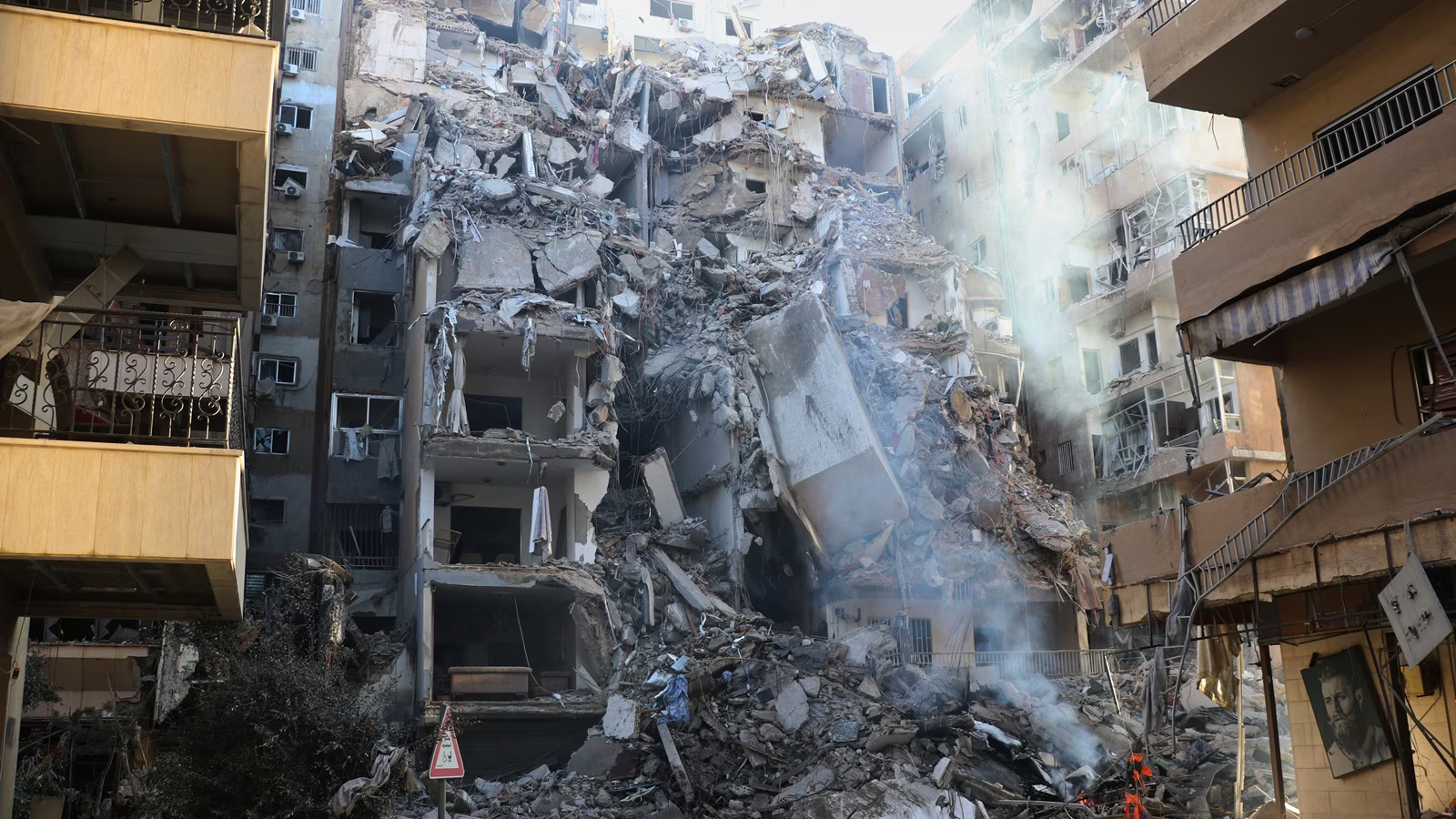
The past week has seen several devastating incidents. An Israeli strike in the Al-Abbasiyah area of the Tyre district resulted in the deaths of three individuals, including a Syrian citizen, and caused injuries to one other person. This attack adds to the growing list of civilian casualties in southern Lebanon. Another Israeli attack, targeting the area of “Tayr Diba,” led to four fatalities and two injuries, further compounding the human cost of the conflict. In a separate incident, an Israeli operation in the “Maaroub” area, also within the Tyre district, killed four people, among them a rescue worker, and injured five others. These incidents contribute to the broader pattern of escalating violence reported by UNICEF in southern Lebanon. The agency noted the increasing number of child casualties in the region over the past week, emphasizing the urgent need for protection for all civilians, especially children. These attacks are part of a larger trend of Israeli forces continuing their assaults on villages and towns in southern Lebanon, despite existing calls for a ceasefire.
Broader Casualty Figures
The scale of the conflict's impact on the Lebanese population is significant. From March 2 to May 29, Israeli attacks resulted in the deaths of 3,355 Lebanese citizens. During this same period, 10,095 Lebanese citizens were also wounded, indicating a widespread toll on the civilian population. These figures represent a significant burden on communities and infrastructure, stretching humanitarian resources. Israeli forces have continued their attacks on villages and towns in southern Lebanon, despite the existence of a ceasefire, leading to ongoing casualties and displacement. The persistent targeting of these areas exacerbates an already fragile situation.
Humanitarian Law Violations and Targeting of Medical Personnel
Israeli attacks on Lebanon represent a blatant violation of humanitarian laws, which explicitly emphasize the protection of medical staff, according to UNICEF reports. The agency noted concerns that Israeli forces are actively pursuing medical personnel and designating them as military targets. This pattern of strikes raises serious questions about adherence to international protocols designed to safeguard healthcare workers in conflict zones. Such actions not only endanger the lives of those providing critical aid but also severely impede the delivery of essential medical services to affected communities. The ongoing targeting of areas in southern Lebanon, where humanitarian aid and medical services are key, further exacerbates the situation for civilians, including children, affected by the escalating violence in the region, creating a dire humanitarian crisis.
International Silence Criticized
Israel has been targeting homes and civilians, according to reports, indicating a disregard for civilian life and property. The international community has remained silent regarding these actions, failing to restrain what is described as the regime’s killing machine. This perceived inaction has drawn criticism amid escalating tensions and rising casualty figures in Lebanon. The lack of international intervention is noted as Israeli forces continue operations that impact civilian areas, leading to further loss of life and injury among non-combatants. Critics argue that this silence emboldens further aggression and undermines the principles of international law and human rights, leaving vulnerable populations without adequate protection.