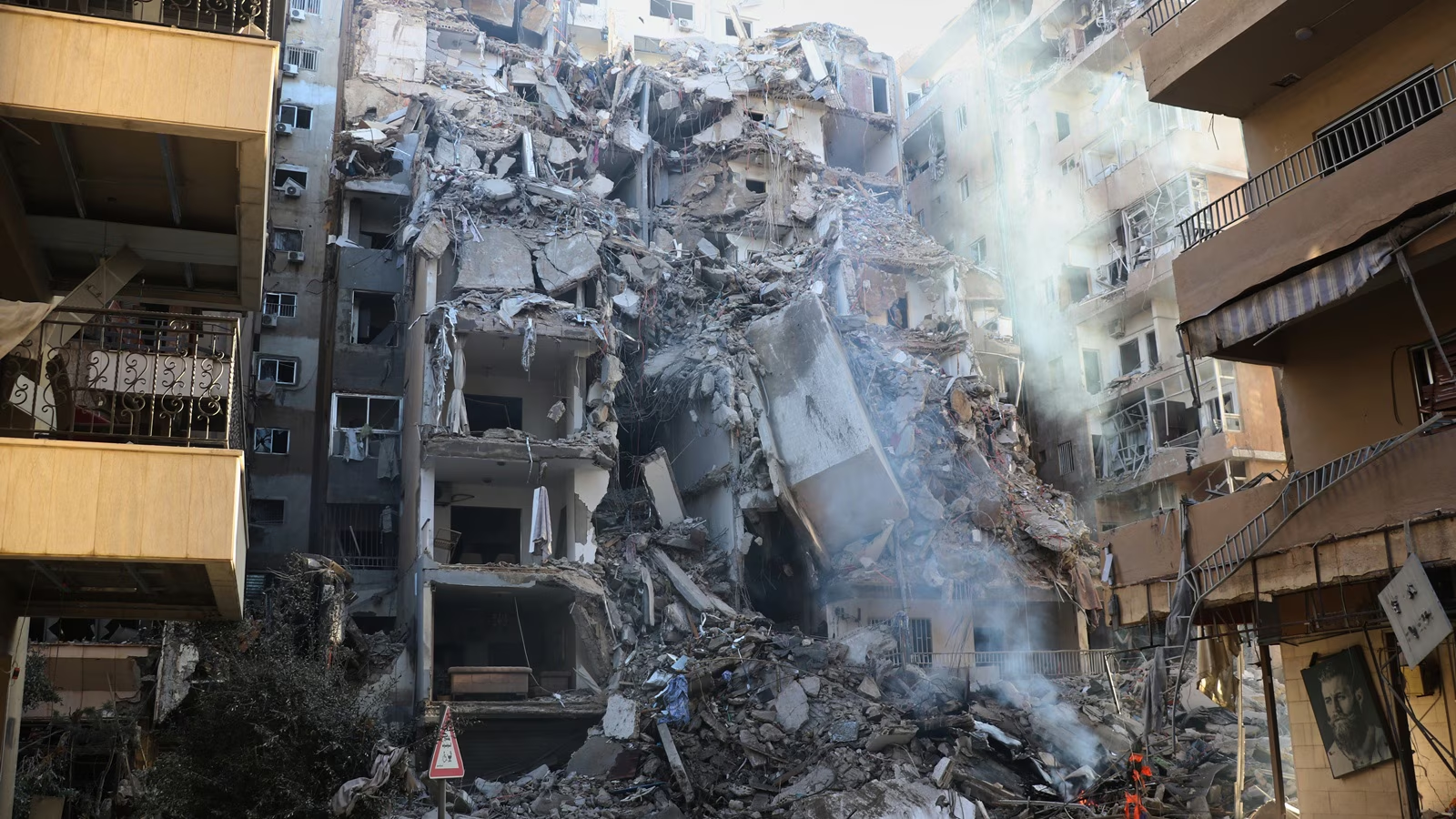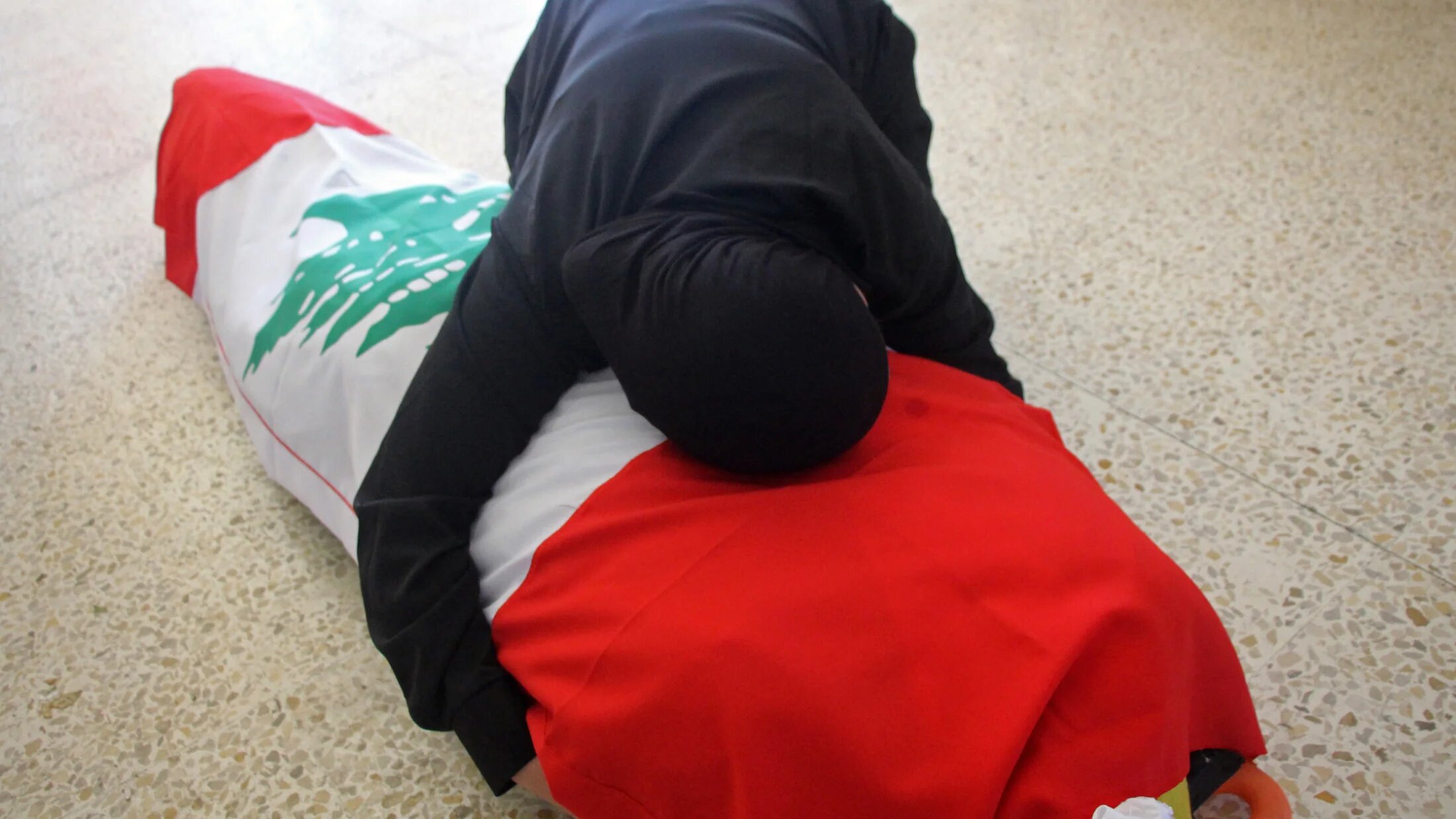
Israeli attacks on southern Lebanon killed three people and wounded more than a dozen early on Saturday morning, escalating tensions in the volatile border region. The series of strikes targeted various locations, resulting in both fatalities and significant injuries among the civilian population. An Israeli strike on a home in the al-Marj neighbourhood of Ansar, near Tyre, killed Zuhair Ahmad Hashim and Ali. Additionally, Israeli forces struck the Sharifa-Habbouch-Nabatieh road on Saturday morning, killing one civilian and leaving another critically wounded, further contributing to the rising casualty count.
Deadly Strikes Reported
Detailed reports emerging from the affected areas confirm the severity of the incidents. Two of the individuals killed in the al-Marj neighbourhood of Ansar, near Tyre, were identified as Zuhair Ahmad Hashim and his son Ali. Their deaths occurred when an Israeli strike directly hit their residence. This particular incident also resulted in injuries to seven other members of their family, who were present in the home at the time of the attack. The strike on the residential property shows the peril faced by civilians in the escalating conflict.
Separately, an Israeli air strike reportedly struck the road leading to the Nabih Berri Governmental Hospital in Nabatieh. This strike, occurring in close proximity to a vital medical facility, wounded at least three people. The targeting of infrastructure, including roads, further exacerbates the humanitarian situation and hinders access to essential services for residents in southern Lebanon. Emergency responders were quickly dispatched to the scene to provide immediate medical assistance and assess the extent of the damage.
Context of Escalation
The recent Israeli attacks, which killed three individuals and wounded dozens in southern Lebanon, follow a period of heightened military activity in the region. This pattern of cross-border engagements has seen a significant increase in frequency and intensity, leading to growing concerns about regional stability. The strikes on the al-Marj neighbourhood of Ansar, near Tyre, and the Sharifa-Habbouch-Nabatieh road occurred amidst ongoing clashes that have plagued the border area for weeks. Israeli forces have previously targeted areas including the road leading to the Nabih Berri Governmental Hospital in Nabatieh, indicating a broader strategy of engagement across southern Lebanese territories. These incidents contribute to an escalating pattern of cross-border engagements, which frequently involve air strikes and artillery fire. The current situation reflects continued tensions in southern Lebanon, with both civilian casualties and infrastructure damage reported in recent weeks, painting a grim picture for the local populace. The persistent nature of these hostilities has forced many residents to live in a state of constant vigilance and fear.
Reactions and Response
The recent Israeli attacks, resulting in three fatalities and dozens of injuries in southern Lebanon, have prompted condemnations and urgent calls for de-escalation from various international and regional actors. International bodies and regional governments have expressed profound concern over the rising civilian toll and the potential for a wider, more devastating conflict to erupt in the already fragile region. These calls emphasize the need for an immediate cessation of hostilities to prevent further loss of life and to protect civilian populations.
Local authorities in southern Lebanon have initiated investigations into the strikes, particularly those affecting the al-Marj neighbourhood of Ansar, near Tyre, and the Sharifa-Habbouch-Nabatieh road. These investigations aim to document the damage, identify the victims, and gather evidence regarding the incidents. Emergency services continue to respond diligently to the affected areas, providing critical aid to the wounded, assisting displaced families, and assessing the full extent of the infrastructure damage. The ongoing situation has heightened anxieties among residents, leading to renewed appeals for an immediate cessation of hostilities to prevent further loss of life and displacement in communities like Ansar and Nabatieh, where daily life has been severely disrupted by the ongoing violence. Humanitarian organizations are also mobilizing resources to address the growing needs of the affected population.