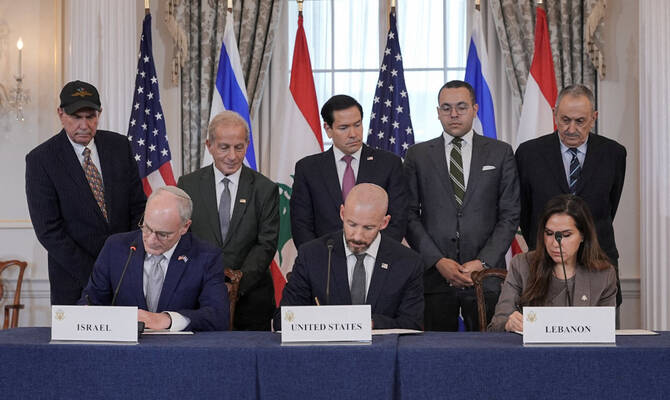
The United Nations on Monday described a new “Trilateral Framework” established by the United States, Israel, and Lebanon as a “milestone” development. The framework, announced on June 26, aims to facilitate cooperation between the two nations. This new diplomatic arrangement is seen as a key step towards fostering greater understanding and stability in a historically volatile region. The UN statement noted the importance of such diplomatic initiatives for regional stability, emphasizing their potential to transform long-standing challenges into opportunities for peace. This agreement marks a significant step, according to the international body, showing the potential for progress when parties engage in constructive dialogue. The update on this development was provided on June 29, 2026.
UN's Stance and Support
The United Nations continues to emphasize the significance of dialogue in resolving outstanding issues, aiming to achieve sustainable stability on both sides of the Blue Line. The organization stated that such efforts are key for safeguarding the sovereignty and security of both Israel and Lebanon. This ongoing commitment notes the UN's role in advocating for diplomatic solutions in the region, consistently promoting channels for communication and negotiation. The UN continues to stress the importance of working to resolve outstanding issues through dialogue to achieve sustainable stability on both sides of the Blue Line and to safeguard the sovereignty and security of both states. This proactive stance reflects the global body's dedication to supporting initiatives that can lead to enduring peace and security for all parties involved.
Resolving Border Tensions
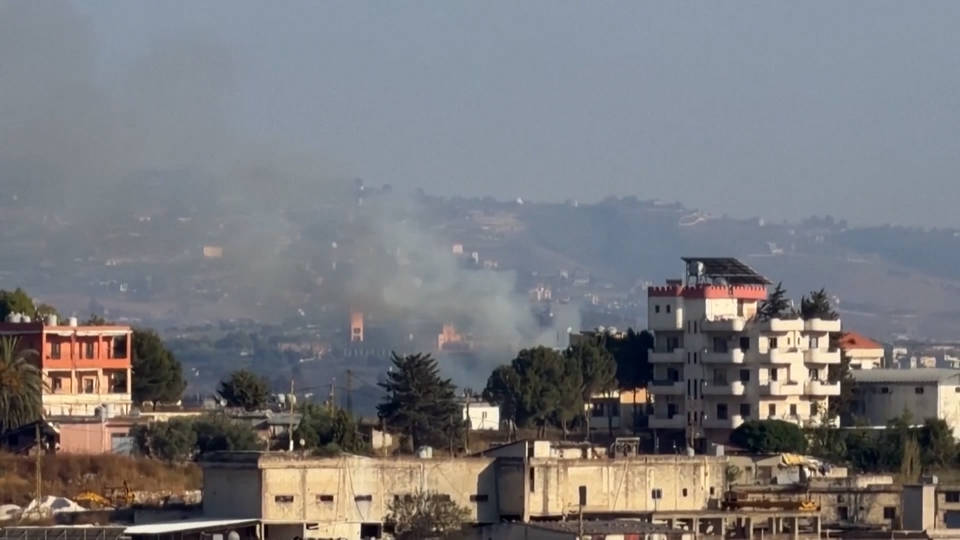
The new arrangement establishes a renewed political track involving the United States, Israel, and Lebanon. This framework is designed to address longstanding tensions along the Israeli-Lebanese border, which have historically presented significant security challenges. By bringing together the three key parties, the initiative aims to provide a structured diplomatic channel for resolving issues that have historically contributed to instability in the region. This collaborative approach seeks to move beyond past impasses and build a foundation for future cooperation. By bringing the three parties together, the framework seeks to foster a more cooperative approach to border management and security, moving towards a more predictable and peaceful environment. This diplomatic effort is intended to build on previous attempts to de-escalate friction and establish mechanisms for continuous dialogue, ensuring that lines of communication remain open even during periods of tension. The objective is to achieve tangible progress in stabilizing the frontier between the two nations, which remains a sensitive area requiring sustained diplomatic engagement and mutual understanding to prevent escalation.
Historical Context and Future
The United Nations remains committed to providing support for Lebanon and Israel in their efforts to fulfill their obligations in pursuit of a long-term resolution to the conflict. This commitment aligns with the terms of Security Council Resolution 1701, which has served as a cornerstone for stability in the area. The UN's ongoing role emphasizes facilitating dialogue and stability between the two nations, particularly concerning border issues, and ensuring that any new framework operates within established international legal parameters. The UN remains committed to providing support for Lebanon and Israel in their efforts to fulfill their obligations in pursuit of a long-term resolution to the conflict, in line with the terms of Security Council Resolution 1701. This steadfast commitment shows the United Nations' belief that a full and lasting peace is achievable through concerted diplomatic efforts and adherence to international law.
Security Council Resolution 1701 has governed the ceasefire arrangements along the border between Lebanon and Israel since 2006. The resolution established the framework for the cessation of hostilities and deployment of the UN Interim Force in Lebanon (UNIFIL) in the region, playing a critical role in monitoring the cessation of hostilities and ensuring respect for the Blue Line. Its provisions include calls for respect of the Blue Line, disarmament of all armed groups in Lebanon, and unimpeded access for UNIFIL to carry out its mandate. The UN continues to show the importance of full implementation of this resolution as a foundation for regional security and the protection of civilians on both sides, recognizing its enduring relevance in maintaining peace and preventing renewed conflict.