The United Nations significantly increased its humanitarian aid appeal for Lebanon on Friday, June 5, 2026, more than doubling the amount requested to address escalating needs. The decision by the international body comes as the country faces worsening conditions amid an intensifying conflict. This revised appeal aims to provide key assistance to affected populations across Lebanon, who are grappling with the severe consequences of the ongoing hostilities. The urgent call for increased funding shows the gravity of the situation and the immediate requirement for international intervention to mitigate a rapidly deteriorating humanitarian crisis.
Dire Humanitarian Situation
Three months into the conflict, the United Nations cautioned that a "humanitarian catastrophe" was looming in Lebanon. This stark warning notes the severe and widespread impact of the ongoing hostilities on the civilian population. The international body stated that approximately a quarter of Lebanon's population, which translates to a substantial number of individuals, requires aid. These individuals are facing critical shortages and immense challenges in securing basic necessities, making the humanitarian situation increasingly precarious. The UN's assessment points to a rapidly expanding crisis that necessitates immediate and full support from the global community.
UN Coordinator's Warning
The United Nations has indicated that nearly $640 million is required to address humanitarian needs in Lebanon over a six-month period. This substantial appeal aims to cover critical assistance for the affected population, ensuring that vital services and supplies can reach those most in need. The funding is intended to support various sectors, including food security, health services, and shelter, as the country grapples with the consequences of ongoing conflict. Beyond these immediate provisions, the appeal also seeks to address urgent needs in education, water, sanitation, and hygiene, which are all under immense strain due to the protracted crisis. The significant increase in the appeal reflects the growing scale of the humanitarian crisis and the urgent need for international support to prevent further deterioration of living conditions for a substantial portion of Lebanon's residents. The full nature of the appeal shows the multi-faceted challenges faced by the nation's vulnerable communities.
Escalating Hostilities Impact
The UN's resident humanitarian coordinator for Lebanon, Imran Riza, spoke from Beirut regarding the escalating situation. His statements showed the severe impact of ongoing hostilities on the country's population and infrastructure, which has been extensively damaged and disrupted. The coordinator provided updates on the humanitarian response, emphasizing the urgent need for increased international support to address the growing crisis. He detailed the challenges faced by aid organizations in delivering assistance amidst the volatile environment, including access restrictions and security concerns that complicate the distribution of vital aid. Riza noted the immediate priorities for humanitarian intervention, including food security, health services, and shelter for those displaced or otherwise affected by the conflict, stressing that these are not merely short-term needs but critical components for survival. The remarks from Beirut by the UN official reinforced the dire warnings issued by the international body regarding the worsening conditions across Lebanon, urging prompt action to avert a full-scale catastrophe.
Appeal Details and Timeline
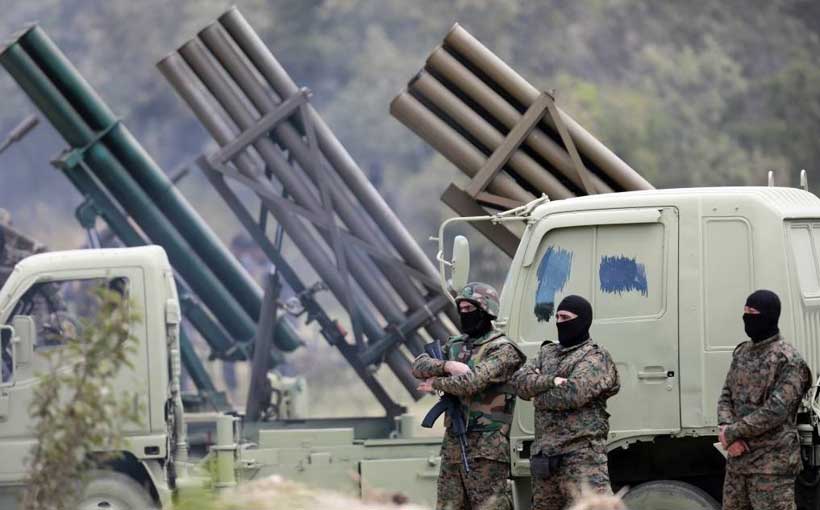
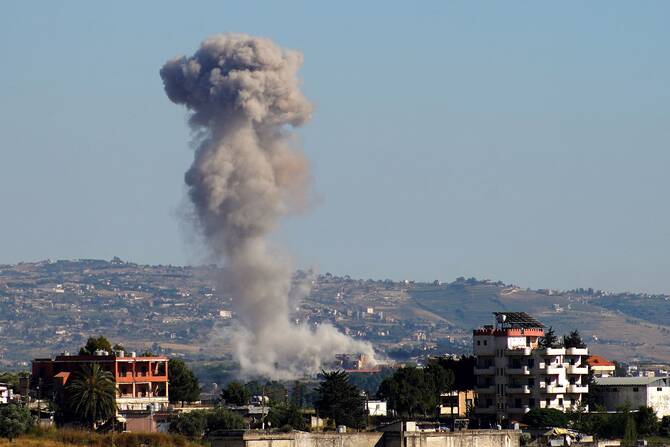
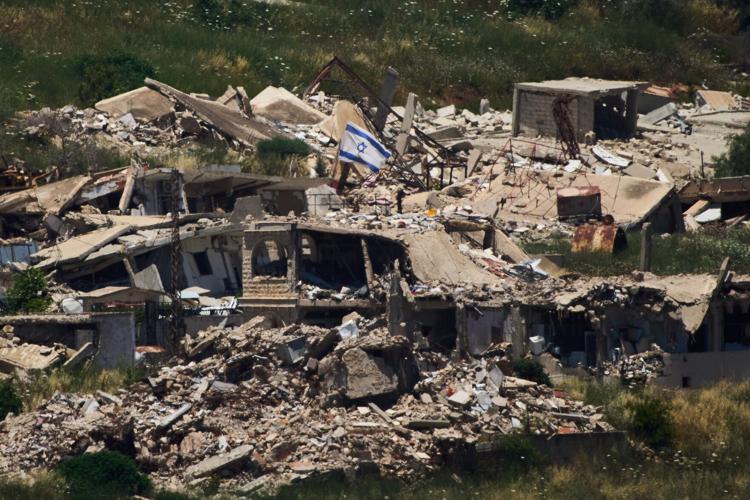
The revised humanitarian appeal from the UN aims to cover a six-month period, providing a framework for sustained assistance during this critical time. It seeks to provide essential assistance for affected populations across Lebanon, addressing needs in various sectors ranging from emergency relief to early recovery efforts. The appeal was initially launched in Geneva and updated as conditions in Lebanon deteriorated due to ongoing conflict involving Israel and Iran-backed Hezbollah. This escalation has led to widespread displacement, destruction of infrastructure, and a severe disruption of essential services, further exacerbating existing vulnerabilities within the Lebanese population. The international community's response to this appeal will be key in determining the extent to which humanitarian organizations can effectively respond to the urgent and growing needs on the ground.