Resident Samih Haidar on Thursday, June 18, 2026, inspected his burned apartment in the southern Lebanese port city of Tyre. His residence, located in a neighborhood heavily impacted by the recent conflict, sustained significant damage from recent Israeli strikes in the area. Haidar's apartment is among several properties affected by the military action, prompting local residents across the city to assess the full extent of the destruction and the immediate needs for recovery. The strikes have caused visible and widespread damage to residential structures and critical infrastructure within the city, altering the landscape of once-lively neighborhoods. Community members and emergency services continue their diligent efforts to evaluate the full impact of the incidents, working to quantify losses and identify urgent requirements for assistance and rebuilding.
Scene of Devastation
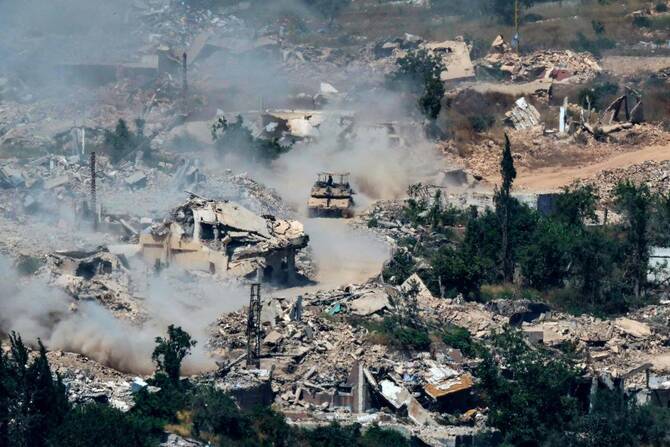
The aftermath of Israeli strikes on Tyre has left a visible trail of destruction across the southern Lebanese port city. Residential buildings, particularly in areas targeted during the recent bombardments, bear the brunt of the recent military actions, with several structures displaying significant and often catastrophic damage. Charred facades, collapsed roofs, and shattered windows are common sights in affected neighborhoods, serving as stark indicators of the intensity and destructive power of the bombardments. The indiscriminate nature of some of the damage has raised concerns among residents about the safety and habitability of their homes. Emergency services and local authorities have begun the arduous and careful process of assessing the full scope of the damage, deploying teams to survey affected zones and document the destruction. This initial phase of assessment is key for understanding the scale of the humanitarian and material challenges ahead.
Many residents, like Samih Haidar, returned to inspect their homes, finding them severely impacted by the violence. Haidar's apartment, located in one of the struck areas, suffered extensive burning, with personal belongings and structural elements reduced to ashes. The emotional toll of witnessing such devastation to one's home and possessions is profound, adding to the immediate physical challenges. The strikes have not only affected individual residences, leading to displacement and loss for countless families, but also caused damage to broader infrastructure within the city, including roads, power lines, and water networks, further disrupting daily life for many. Essential services have been compromised in several areas, complicating the immediate response efforts. Community members are working alongside official teams, often in challenging conditions, to evaluate the structural integrity of buildings, identify areas requiring immediate attention for safety, and prioritize the most urgent repairs. The ongoing assessment aims to provide a full understanding of the material losses incurred following the incidents in Tyre, which will be vital for planning long-term recovery and reconstruction efforts.
Residents Return Home
Many residents of Tyre began returning to their homes on Thursday, June 18, 2026, following the recent Israeli strikes, to assess the damage and confront the new reality of their neighborhoods. Families cautiously navigated debris-strewn streets and inspected their properties, some finding their residences completely uninhabitable due to structural compromise or extensive burning. The return marked the first opportunity for many to comprehensively evaluate the impact of the bombardments on their personal belongings and living spaces, a process often filled with sorrow and despair. The scene was one of quiet determination mixed with shock, as individuals sifted through the rubble that was once their homes. Local authorities and humanitarian organizations were present in various neighborhoods, offering preliminary assistance, distributing essential supplies where possible, and meticulously documenting the extent of the destruction to inform future aid efforts. Their presence provided a key lifeline for many who had lost everything.
The streets of Tyre, still bearing the fresh marks of the strikes, saw a gradual increase in activity as more individuals ventured back, compelled by the need to understand their losses and begin the daunting task of recovery. Residents were observed sifting through rubble, attempting to salvage what remained of their possessions, from family photographs to basic necessities, a testament to their resilience in the face of adversity. Structural engineers, alongside municipal workers and volunteer groups, began initial assessments of buildings to determine their safety for occupancy, marking structures that were too dangerous to enter. The process of evaluation is expected to be extensive and protracted, given the widespread nature of the damage reported across several districts of the southern Lebanese port city. This full survey is critical for ensuring public safety and guiding the allocation of resources for rebuilding. Community members expressed a mixture of relief at returning to their familiar surroundings, despite the devastation, and profound dismay at the scale of destruction they encountered. The immediate focus for many was securing their damaged homes to prevent further loss, ensuring the safety and well-being of their families, and beginning the initial steps towards rebuilding their lives in the aftermath of the military action. The psychological impact of these events on residents is also a significant concern, with many grappling with trauma and uncertainty about the future.
Broader Context and Impact
The Israeli strikes on Tyre represent a broader pattern of military actions that have profoundly impacted southern Lebanon, a region frequently affected by cross-border tensions and geopolitical volatility. These incidents often result in significant and indiscriminate damage to civilian infrastructure and residential areas, leading to widespread displacement of families and severe disruption to daily life. The ongoing assessments in Tyre reflect a common and recurring challenge faced by communities across the region following such events, as residents and local authorities work tirelessly to quantify losses, address immediate humanitarian needs, and plan for long-term recovery. The damage observed in Tyre shows the severe humanitarian consequences of the conflict, prompting growing concerns among international organizations about civilian safety, protection under international law, and access to essential services for affected populations. The destruction of homes and vital infrastructure exacerbates existing vulnerabilities and creates new ones.
The situation contributes significantly to an environment of instability and insecurity, impacting economic activity, hindering development prospects, and eroding the social fabric of communities for the affected populations in southern Lebanon. Businesses are disrupted, livelihoods are lost, and the ability of communities to thrive is severely compromised. The repeated cycle of destruction and rebuilding places immense strain on local resources and national capacity. The incidents also add to the broader regional dynamics, where such military exchanges are regularly monitored by international actors, including the United Nations and various diplomatic missions, due to their potential to escalate wider conflicts. These events often lead to calls for de-escalation and adherence to international humanitarian law from the global community. The long-term implications for peace and stability in the region remain a critical concern, as communities like Tyre grapple with the immediate aftermath and the enduring legacy of conflict. The need for sustained international support for recovery and peace-building efforts in southern Lebanon is increasingly evident.