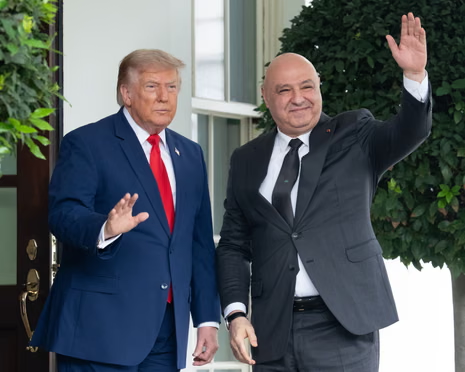
President Donald Trump announced on Tuesday that he would allow U.S. Airline carriers to resume direct flights to Lebanon, ending a 40-year suspension. The decision came during Lebanese President Joseph Aoun's visit to the White House, the first by a Lebanese president since 2009. Trump stated, "I am hereby directing my Administration to allow all U.S. Airline carriers to fly directly to Lebanon so that Americans can easily visit this beautiful land." He added that Lebanon "has been a very badly treated place and country and we’re going to have it properly treated and treated with the respect it deserves. We’re gonna help it a lot." The announcement by President Trump marks a significant shift in U.S. Policy regarding travel to the Middle Eastern nation.
Historical Context of Suspension
Direct flights between the United States and Lebanon were suspended in 1985 by Ronald Reagan’s administration. That decision followed the hijacking of TWA flight 847. The incident involved the seizure of the American passenger jet by hijackers after its takeoff from Athens, Greece, on June 14, 1985. The plane was diverted to Beirut International Airport, where a U.S. Navy diver was killed and other passengers were held hostage for 17 days. The suspension implemented by the Reagan administration has remained in effect for nearly four decades, impacting direct travel and trade between the two countries. For many years, travelers between the U.S. And Lebanon have had to use connecting flights through other international hubs.
Diplomatic Meeting and Regional Tensions
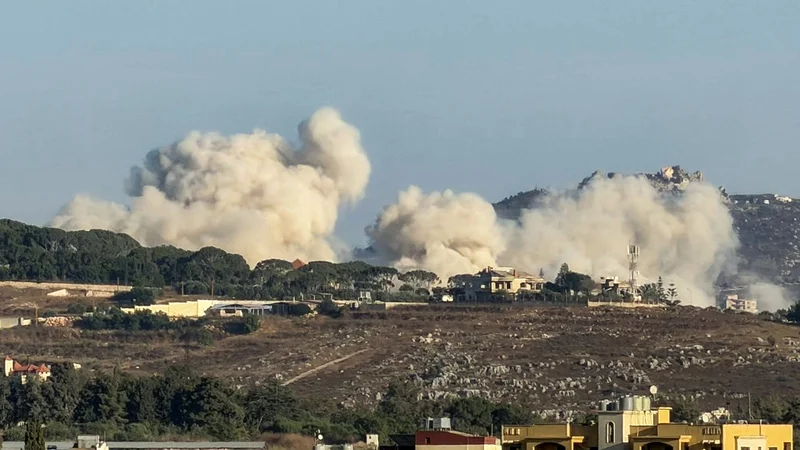
President Donald Trump made the announcement regarding direct flights in a social media post following his meeting with Lebanese President Joseph Aoun. The two leaders met at the White House in Washington, where discussions included the flight suspension and broader regional issues. President Aoun’s White House visit was notable as it was the first by a Lebanese president since 2009, noting the diplomatic significance of the engagement. President Aoun commented on the American leader's approach to the situation, stating, "Your vision is peace." The meeting showed ongoing diplomatic efforts between the two nations, particularly concerning the Middle East's complex geopolitical landscape. The decision to resume direct flights follows years of advocacy from Lebanese officials and the Lebanese diaspora in the United States. This engagement also took place amid increased scrutiny of regional stability, including the security situation in Southern Lebanon and the roles of various actors like Iran and Israel.
Trump's Announcement and Rationale
President Donald Trump announced he was directing his administration to permit all U.S. Airline carriers to operate direct flights to Lebanon. The decision marks an end to a suspension that has been in place for four decades. Trump also addressed the presence of Israel's army in Lebanon during his remarks. He stated, regarding Israel’s army fully withdrawing from Lebanon, "They’re in the process of doing that. They’re in the process of redeploying." This statement came amid ongoing discussions about regional stability and security in the Middle East. The move is expected to facilitate easier travel for American citizens and potentially boost economic ties.
Broader Implications and Future Outlook
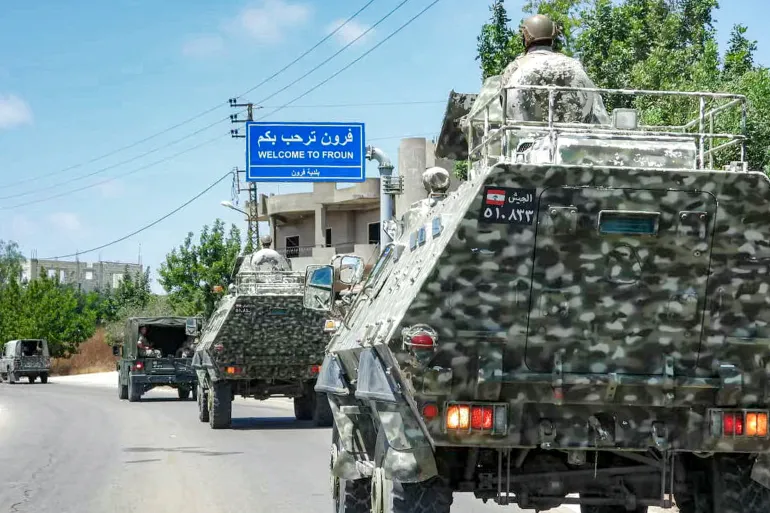
Lebanese President Joseph Aoun visited Washington to advocate for long-term calm following months of conflict between Israel and the Iran-backed Hezbollah militant group. Aoun previously told President Trump, "Your vision is peace," during their discussions. The resumption of direct flights is seen in the context of these broader regional stability efforts. The decision to lift the decades-long flight suspension could foster stronger bilateral relations and provide a direct link for commerce and tourism, potentially benefiting Lebanon's economy.