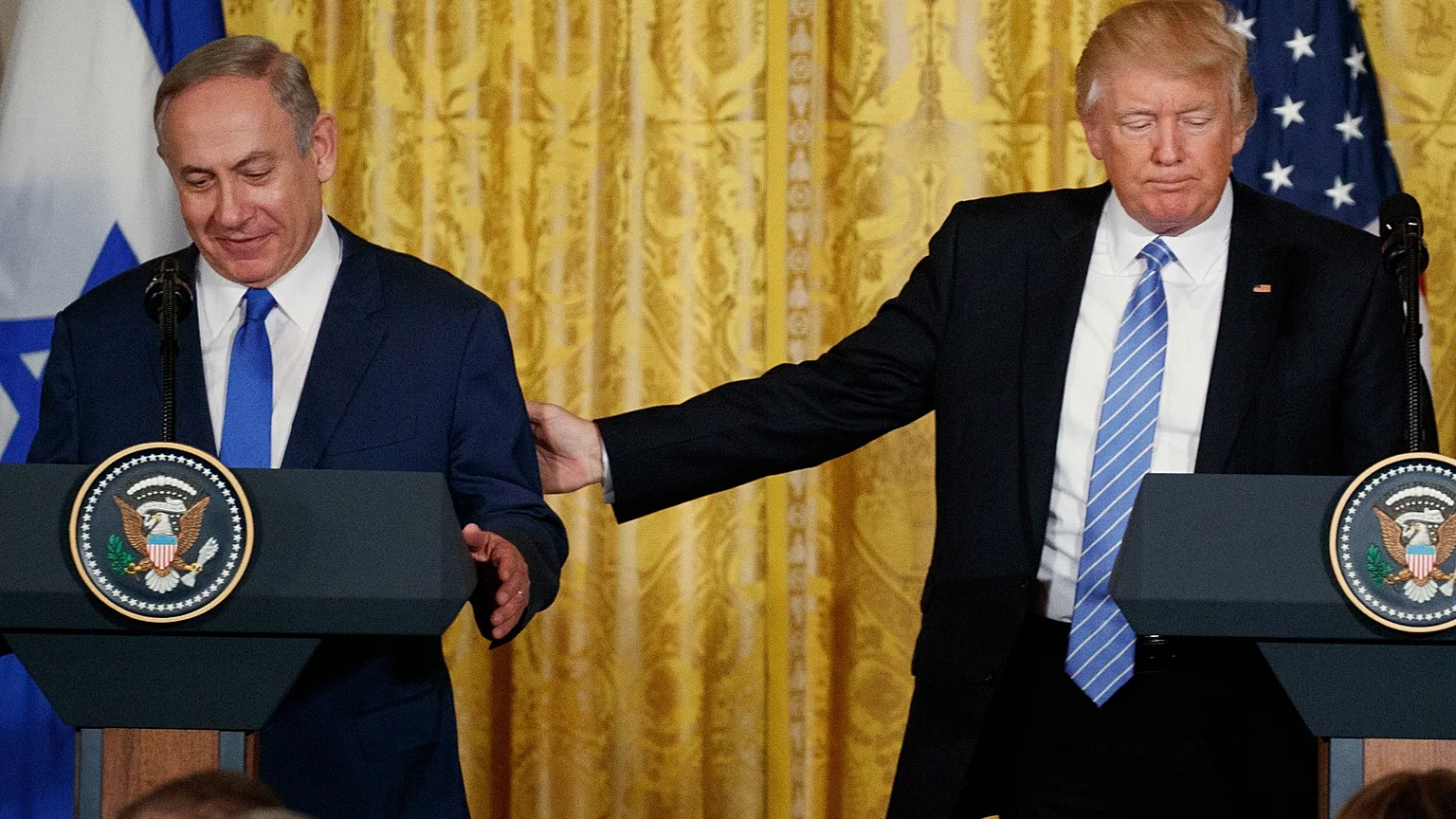
US President Donald Trump sharply criticized Israeli Prime Minister Benjamin Netanyahu during a tense phone call on Monday, according to three individuals familiar with the exchange. During the conversation, Mr. Trump reportedly warned Mr. Netanyahu that Israeli strikes on Beirut risked isolating Israel on the international stage and derailing ongoing diplomatic talks with Iran. The content of the call was first reported by the US website Axios, which cited a US official as its source for the information. However, Israeli news network Channel 12 and its chief political analyst, Amit Segal, contested aspects of the report. Segal stated that Trump had not personally attacked Netanyahu during the conversation, offering a differing perspective on the tone and nature of the high-stakes exchange. The report has been contested in Israeli media, adding a layer of complexity to the understanding of the interaction between the two leaders.
Escalating Tensions Over Beirut
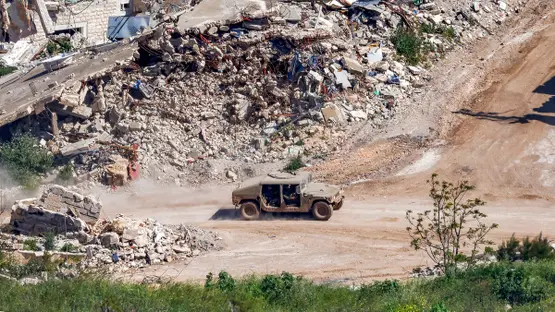
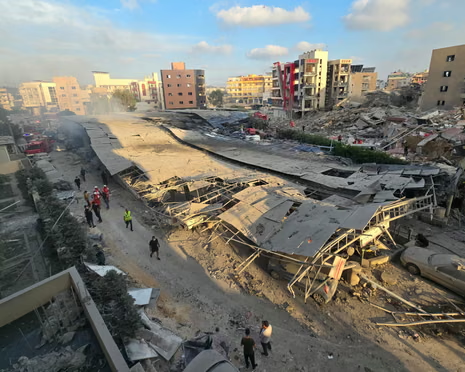
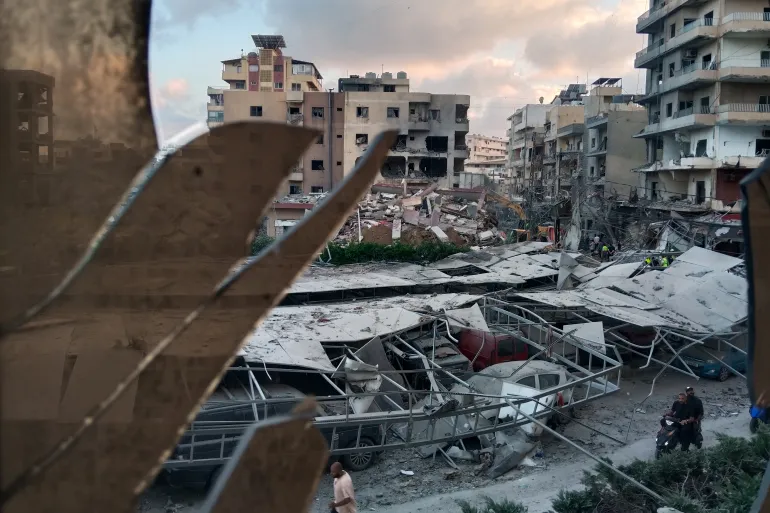
US President Donald Trump reportedly confronted Israeli Prime Minister Benjamin Netanyahu during a phone call regarding Israel’s threats to restart airstrikes on Beirut’s southern suburbs. According to news reports, Mr. Netanyahu had ordered the Israel Defense Forces (IDF) to resume bombing the southern Dahiya area of Beirut, specifically targeting Hezbollah, the powerful Lebanese political party and militant group. This directive from the Israeli Prime Minister signaled a significant escalation in regional tensions. Following these orders, the Israel Defense Forces subsequently instructed Lebanese civilians to evacuate areas of southern Beirut, urging them to move away from potential conflict zones. These warnings prompted a rapid response from the civilian population, with thousands of people reportedly fleeing the Lebanese capital in anticipation of renewed hostilities.
Channel 12's chief political analyst, Amit Segal, reported that Mr. Trump and Mr. Netanyahu reached an agreement during their conversation. Under this reported agreement, Mr. Netanyahu would refrain from attacking the Beirut suburbs if Hezbollah ceased its attacks on Israel. This suggests a conditional de-escalation mediated by the US President, aimed at preventing a wider conflict. The exchange notes the delicate balance of power and the immediate international concerns triggered by potential military actions in Lebanon, particularly given the involvement of powerful non-state actors like Hezbollah. The potential for a wider regional conflagration showed the urgency of the diplomatic intervention.
Iran's Stance on Talks and Regional Implications
Iran announced on Tuesday that it would suspend peace talks with the United States, citing Israel's ongoing military campaign in southern Lebanon as the primary reason for its decision. The abrupt suspension of these key negotiations by Tehran introduces a new and significant complication into diplomatic efforts aimed at resolving broader regional tensions and addressing the long-standing disputes between the US and Iran.
Tehran asserted that any ceasefire agreement designed to facilitate negotiations for opening the Strait of Hormuz and lifting a US blockade on Iranian ports should also encompass Lebanon. This position connects the situation in Lebanon directly to broader discussions concerning vital maritime access and the severe economic sanctions imposed against Iran. Iran's insistence on this linkage suggests a strategic effort to integrate the Lebanese conflict into the wider framework of its diplomatic engagement with the US, using the regional instability as leverage in its negotiations. Tehran's demand shows its view that regional security issues are interconnected and cannot be addressed in isolation. The Iranian regime’s stance suggests a broader strategy to ensure that any resolution with the United States addresses its security concerns and those of its allies in the Levant.
In response to these developments and the reported leak of information regarding the US stance, pro-Israel talk show host Mark Levin commented on the situation. Mr. Levin wrote that "The Iranian regime will benefit from that leak, viewing us as weak and desperate for a deal – even coming to Hezbollah’s defense." His statement notes concerns that the perceived US position, particularly any perceived pressure on Israel to de-escalate, could embolden Iran and its allies in the region. This, in turn, could potentially affect the dynamics of future negotiations and regional power balances, possibly undermining US diplomatic efforts in the long run. Levin's comments reflect a viewpoint that emphasizes the importance of projecting strength in international diplomacy, particularly when dealing with adversaries like the Iranian regime.
Contested Details and Context
The article detailing the reported warning from US President Donald Trump to Israeli Prime Minister Benjamin Netanyahu was published on February 6, 2026. An accompanying image depicted Mr. Trump and Mr. Netanyahu during a news conference in the East Room of the White House in 2017, providing a visual reminder of their past interactions and the historical context of their relationship.
Despite the initial report from Axios, aspects of the account have been contested within Israeli media, particularly by Channel 12 and its chief political analyst, Amit Segal. This comes as Israel’s parliament recently backed a bill this week in its first reading to dissolve the Knesset and trigger early elections, indicating a period of significant political instability within Israel. The political landscape in Israel is also marked by Mr. Netanyahu’s ongoing corruption trial, which is scheduled to continue following repeated delays attributed to the country’s security situation. These domestic pressures on Prime Minister Netanyahu add another layer of complexity to his decision-making regarding regional military actions and his interactions with international leaders. The confluence of a looming election and a high-profile legal battle could influence the Prime Minister's approach to national security and foreign policy.
Trump's Past Remarks and Relationship with Netanyahu
Donald Trump reportedly warned that Israeli strikes on Beirut risked isolating Israel and derailing ongoing talks with Iran. This reported warning aligns with past public frustrations expressed by the former US president regarding regional conflicts and the actions of key international players. Last year, during a 12-day exchange of strikes between Iran and Israel, Mr. Trump publicly stated that Iran and Israel "don’t know what the fuck they’re doing," a blunt assessment reflecting his view of the protracted conflict. His relationship with Mr. Netanyahu, while often portrayed as close, has also seen contentious moments and public disagreements. Following Mr. Netanyahu's congratulatory message to Joe Biden on winning the 2020 election, Mr. Trump reportedly expressed his displeasure in no uncertain terms, saying of the Israeli Prime Minister: "Fuck him." This strong language shows the often volatile nature of their personal and political relationship, which has experienced both periods of close alignment and moments of significant strain. The reported phone call on Monday thus fits into a broader pattern of a complex and sometimes turbulent relationship between the two leaders, marked by both strategic cooperation and sharp personal disagreements.