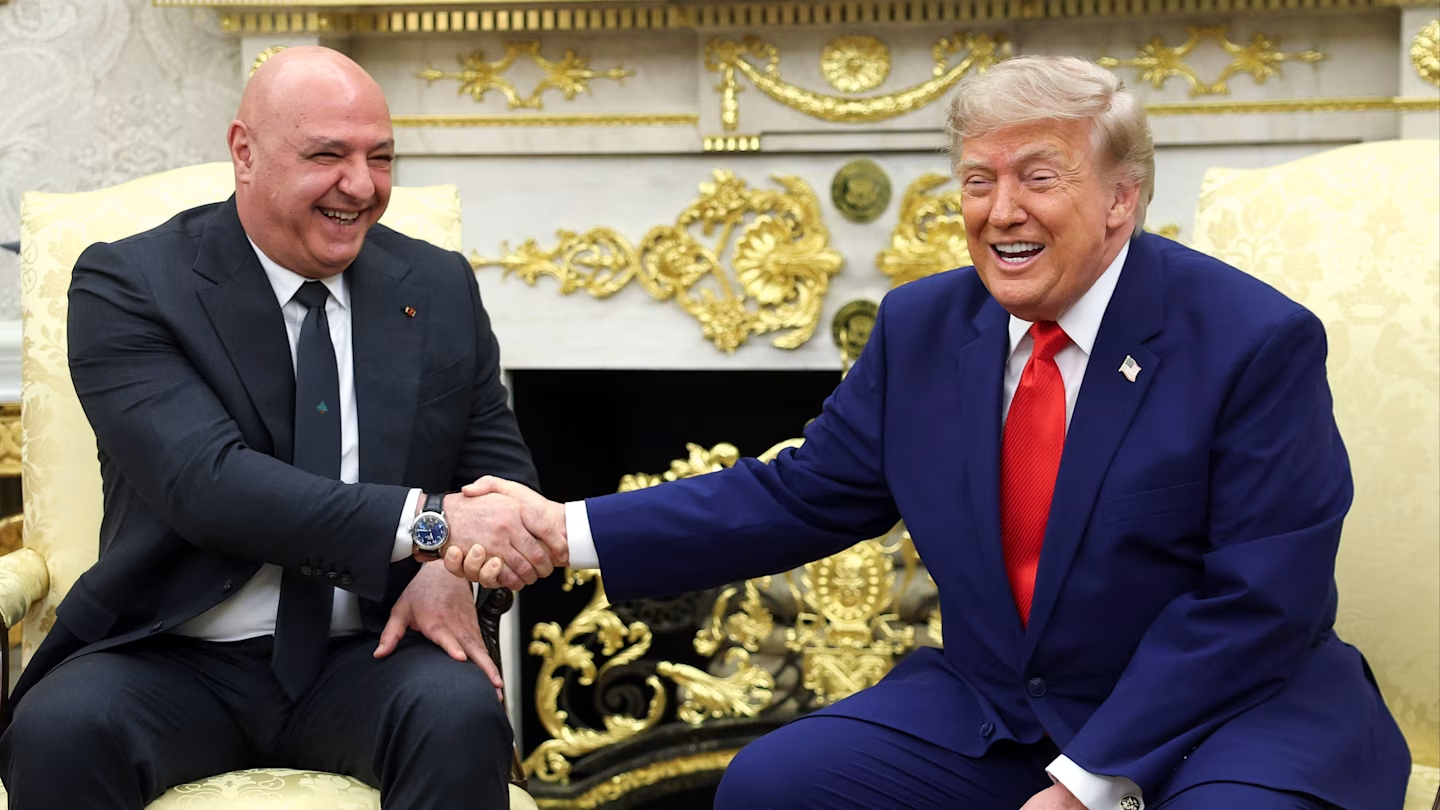
Donald Trump reinstated direct flights between the United States and Lebanon following a meeting with Lebanese Armed Forces Commander General Joseph Aoun at the White House. This significant decision by the Trump administration marks a notable shift in U.S. Policy towards Lebanon, re-establishing a direct air link that had been severed for decades. Mr. Trump stated that "Lebanon has been treated incredibly badly," adding, "Maybe I’m a little prejudiced in favour of Lebanon because I have so many Lebanese friends." During the discussion, General Aoun emphasized the critical role of the military, asserting, "All we are asking is [to] keep supporting the [Lebanese Armed Forces]." He further elaborated, "The Lebanese Armed Forces are the backbone of security and stability," and warned that "without the LAF, everything will collapse." Mr. Trump also remarked that Israel and Lebanon "get along very well" and suggested Lebanon "could become one of the most important leaders in the Middle East." The reinstatement of these flights was officially announced by President Trump on his Truth Social platform, signaling a direct and personal involvement in the decision.
Historical Flight Ban Lifted
Donald Trump announced the reinstatement of direct flights between the United States and Lebanon on his Truth Social platform. The decision lifts a long-standing prohibition on U.S. Carriers operating flights to the country, a ban that had been in place for nearly four decades. This move is expected to facilitate travel and business ties between the two nations, providing a direct air route that has been absent for a considerable period. The lifting of this ban represents a tangible outcome of the high-level diplomatic engagement between the U.S. And Lebanon.
The original ban on flights to Lebanon by U.S. Carriers was imposed by the Reagan administration in 1985. That administration initiated the measure following a TWA airliner hijacking. Hizbollah was responsible for the hijacking incident, which prompted a swift and decisive response from the U.S. Government to ensure the safety of its citizens and air travel. The 1985 ban was a direct consequence of this act of terrorism, reflecting a period of heightened security concerns and instability in the region. For 39 years, this prohibition remained in effect, significantly impacting direct travel options and diplomatic relations. Its reversal now indicates a perceived improvement in security conditions or a strategic shift in U.S. Foreign policy towards Lebanon.
Aoun's Plea for Lebanese Forces
The decision to reinstate direct flights followed a meeting between United States President Donald Trump and Lebanese President Joseph Aoun at the White House on Tuesday. President Aoun, who was elected to his current office last year, used the occasion to advocate for continued international assistance to his country's military. "All we are asking is [to] keep supporting the [Lebanese Armed Forces]," President Aoun stated during the discussions, showing the critical need for sustained external aid to maintain Lebanon's security apparatus. The meeting provided President Aoun with a direct channel to convey Lebanon's pressing security concerns and financial needs to the American leadership.
He showed the critical role of the Lebanese Armed Forces (LAF) in maintaining order within Lebanon. President Aoun emphasized that "The Lebanese Armed Forces are the backbone of security and stability." His remarks noted the military's perceived essential function amidst ongoing regional challenges and internal political complexities. The Lebanese president also issued a stark warning regarding the potential consequences of any reduction in support for the LAF. He cautioned that "without the LAF, everything will collapse," indicating the perceived fragility of the country's security architecture without strong military backing. This dire prediction reflects the widespread belief among Lebanese officials that the LAF is the primary guarantor of national sovereignty and internal cohesion, especially given Lebanon's diverse sectarian landscape and regional pressures.
President Aoun's appeals for sustained support come as Lebanon navigates complex domestic and regional pressures. The meeting at the White House provided a high-profile platform for the Lebanese leader to articulate his nation's needs directly to the American administration. His emphasis on the LAF as the foundational element for stability reflects a widely held view among Lebanese officials regarding the military's non-sectarian role in a diverse political landscape. The direct engagement between the two leaders aimed to reinforce bilateral ties and address specific areas of concern for Lebanon, including the critical need for security assistance. The LAF is often seen as one of the few unifying institutions in a country frequently beset by political deadlock and sectarian divisions, making international support for it a cornerstone of Lebanon's stability strategy. The ability of the LAF to perform its duties, including border control, counter-terrorism operations, and maintaining internal order, is heavily reliant on consistent funding and equipment from international partners.
Regional Tensions and Occupation
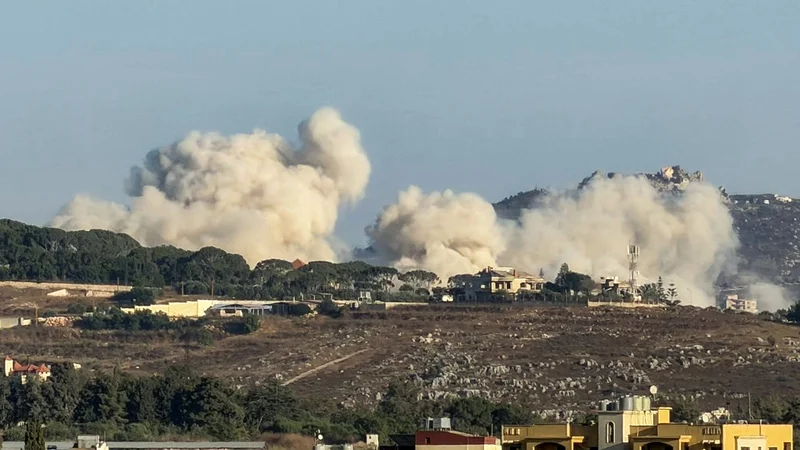
Hundreds of thousands of Lebanese have been displaced from the country's south amid ongoing regional instability. This displacement notes the severe humanitarian impact of the protracted conflict and occupation in the southern regions of Lebanon. Israeli forces currently occupy a large swath of land in Lebanon and conduct strikes targeting Hizbollah, contributing to a volatile security environment. The presence of Israeli forces and the continuous military operations create a state of perpetual tension and insecurity for the civilian population residing in these areas. The ongoing conflict has led to significant disruptions in daily life, economic hardship, and a constant threat of escalation.
Hizbollah and its allies have rejected the framework agreement with Israel, characterizing it as a capitulation. This rejection shows the deep-seated ideological and political divisions that complicate any attempts at a lasting peace or resolution in the region. The group's stance reflects a broader sentiment among some Lebanese factions that any agreement not fully addressing their grievances or perceived national interests would be unacceptable. Israel previously occupied Lebanon for 18 years, an occupation that concluded in 2000. This lengthy historical occupation continues to cast a long shadow over Lebanese-Israeli relations, fueling resentment and contributing to the current state of conflict. The memory of this occupation, its human cost, and its political ramifications remain a potent factor in Lebanese national consciousness and policy-making.
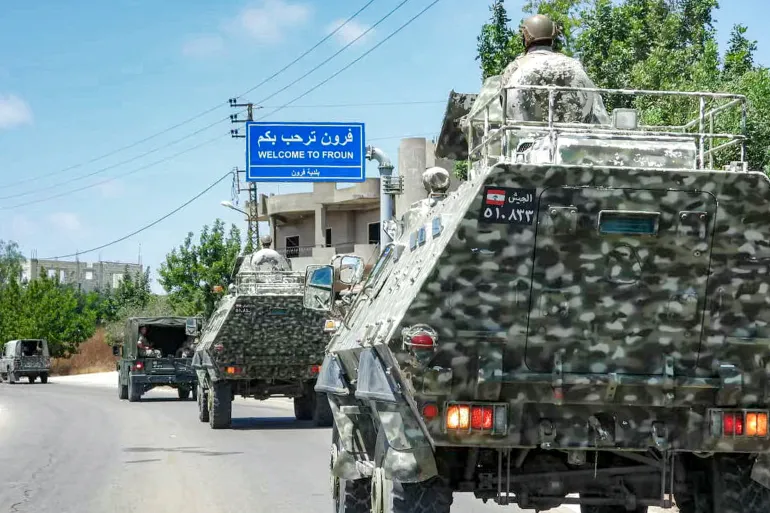
Lebanon's army has accused Israel of undermining an effort for the military to assume security responsibility in parts of the south. This accusation follows incidents where Israeli occupation forces opened fire near Lebanese forces as they attempted to deploy to the town of West Zawtar. The engagement occurred as Lebanese military units sought to establish a security presence in the area, a move intended to assert Lebanese sovereignty and stabilize the volatile border region. Such incidents exacerbate tensions and demonstrate the fragility of the security situation on the ground. The Lebanese army views these actions as direct impediments to their efforts to secure their own territory and prevent further escalation. The inability of the Lebanese Armed Forces to fully deploy and control all parts of its southern border due to Israeli actions further complicates the security landscape and undermines Lebanon's sovereign control over its territory. The accusation notes the challenges faced by the LAF in asserting its authority in areas under Israeli occupation or influence.
Trump's Ambivalent Stance
Donald Trump told reporters that "Lebanon has been treated incredibly badly" and added, "Maybe I’m a little prejudiced in favour of Lebanon because I have so many Lebanese friends." These personal remarks suggest a degree of empathy or even affinity for Lebanon on the part of the American president. However, despite these seemingly supportive remarks, Mr. Trump's 2027 budget request to Congress seeks to slash funding for the Lebanese Armed Forces (LAF). This proposed reduction in aid stands in stark contrast to President Aoun's urgent pleas for continued support and raises questions about the consistency of U.S. Policy towards Lebanon. The discrepancy between President Trump's rhetoric and his administration's budgetary proposals presents a complex picture for Lebanon, which relies heavily on international assistance for its military.
Mr. Trump also told reporters that President Aoun "could become one of the most important leaders in the Middle East" if a broader peace deal were to succeed. This statement, while complimentary, links Aoun's potential influence to a hypothetical regional peace agreement, the terms and feasibility of which remain uncertain. However, Mr. Trump declined to offer a timeline for an Israeli withdrawal from Lebanon during his comments, leaving a critical aspect of regional stability unaddressed. This omission notes a potential gap between the stated desire for peace and concrete steps towards resolving the ongoing occupation. He also stated that Israel and Lebanon "get along very well," a claim made while Israeli forces occupy Lebanese territory and conduct strikes. This assertion appears to contradict the observable realities of the deeply contested border region and the historical context of conflict and occupation. The juxtaposition of Trump's optimistic assessment with the ongoing military presence and tensions shows an ambivalent U.S. Stance, blending expressions of goodwill with policies that may undermine Lebanon's security and sovereignty. The lack of a clear timeline for Israeli withdrawal and the apparent downplaying of existing conflicts indicate a nuanced, and at times contradictory, approach from the Trump administration towards the complex dynamics of the Middle East.