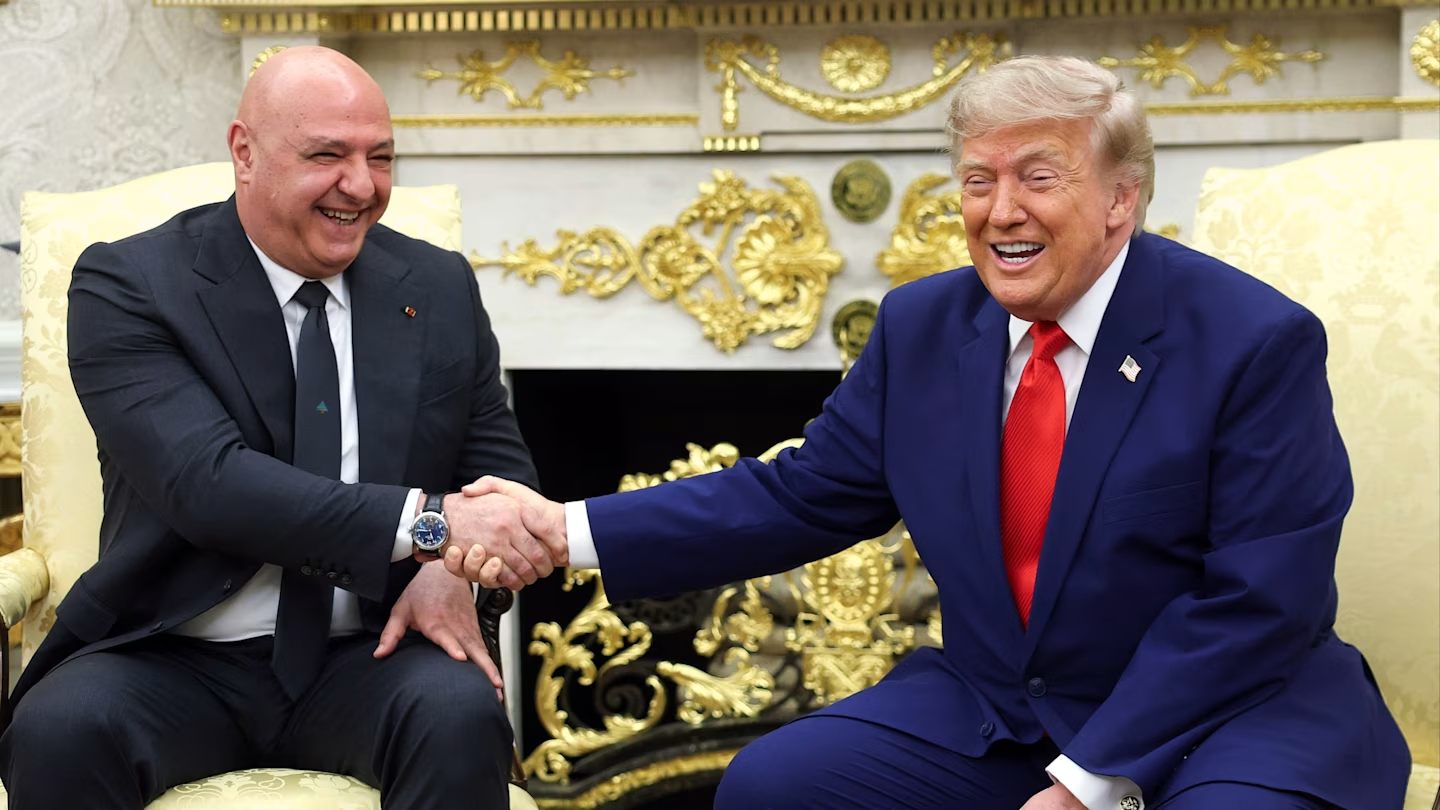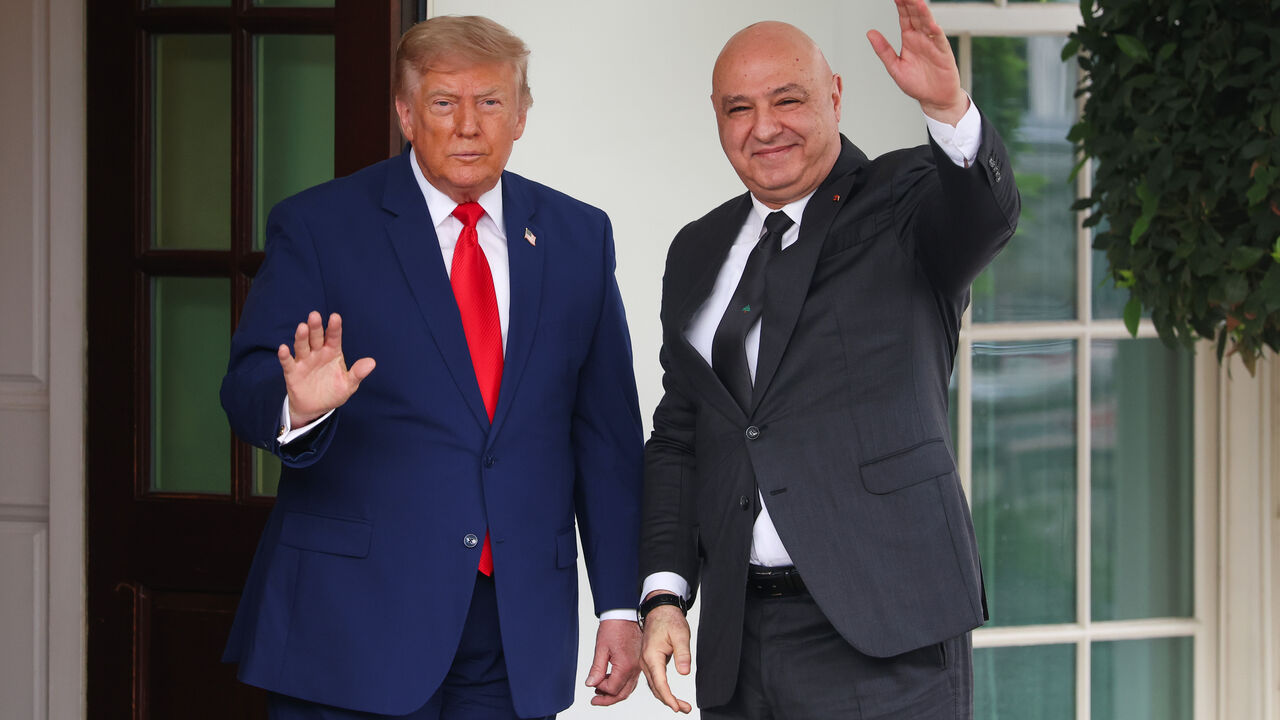
US President Donald Trump and Lebanese President Joseph Aoun met at the White House on July 21, 2026, for a significant diplomatic engagement. The primary agenda of their discussions revolved around a full security framework aimed at definitively ending the state of hostility between Lebanon and Israel. This high-stakes meeting, which occurred in the Oval Office, showed the renewed focus on regional stability. President Aoun characterized the proposed framework as a "historic achievement," emphasizing its "ultimate objective of ending the state of hostility between Lebanon and Israel forever." This aspirational goal formed the bedrock of the bilateral discussions.
During the meeting, President Trump indicated his readiness to engage with Hezbollah if such a request were made by President Aoun. "If the president wanted me to speak to Hezbollah, I would," Trump stated, signaling a potential shift in diplomatic strategy. He further elaborated on President Aoun's perspective, noting, "He would like to come in and do something with Hezbollah. He’s been fighting Hezbollah for a long time. I think it’d be very effective." President Trump also voiced strong support for Lebanon, asserting, "It’s been a very badly treated place and country, and we’re going to have it properly treated, and treated with respect that it deserves." This statement noted the US commitment to Lebanon's sovereignty and future stability. The July 21, 2026, meeting between US President Donald Trump and Lebanese President Joseph Aoun marked a significant diplomatic milestone, as it was the first Oval Office meeting for a Lebanese head of state since 2009, showing the importance and high-level nature of these discussions.
Pilot Zone Deployment Begins
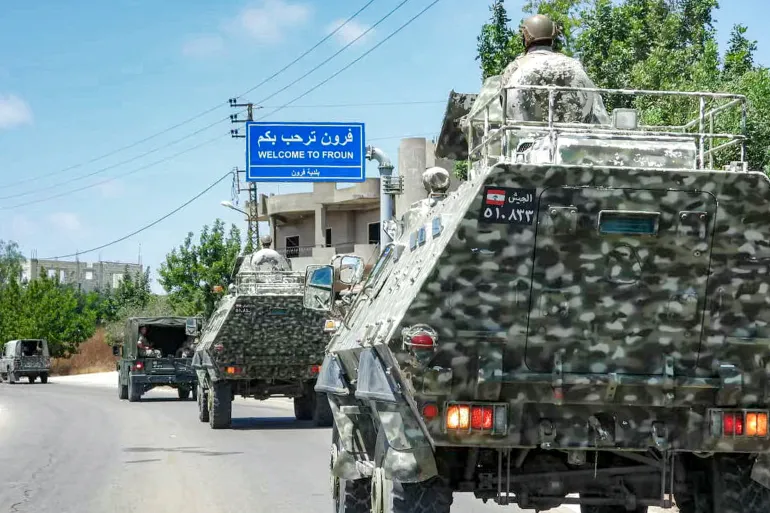
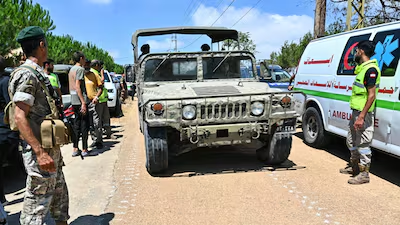
Coinciding with these key diplomatic talks, the Lebanese military commenced deployment operations in a pilot zone in south Lebanon on July 21, 2026. This tactical move was a direct manifestation of the security framework being discussed at the highest levels. The Lebanese military entered the village of Zawtar al-Gharbiya in the Nabatieh district on Tuesday morning, July 21, 2026, marking a significant and tangible step in the implementation of the new security arrangements. The deployment in Zawtar al-Gharbiya was a key part of the initial phase of operations designed to establish a new security paradigm in the region.
The US State Department had previously announced the initiation of "pilot zone operations" in the southern Lebanese villages of Froun, Srifa, and Zawtar al-Gharbiya on July 20, 2026. This announcement, made just a day before the White House meeting, signaled the official start of a new phase in regional security efforts. The operations are an integral part of a broader security framework, meticulously designed to stabilize the volatile border region and prevent future escalations. The phased approach, beginning with these pilot zones, aims to gradually extend the Lebanese state's authority and control over its southern territories.
In conjunction with these developments, Israel undertook a significant action by withdrawing from a town in south Lebanon. This withdrawal was a direct fulfillment of a component of the US-brokered security framework, demonstrating a commitment to the agreed-upon terms. This Israeli pullout is a key element of the broader agreement, paving the way for the Lebanese military to expand its presence into areas previously contested or under Israeli control. The framework's overarching goal is to establish a more permanent and durable resolution to the long-standing state of hostility that has plagued the border region for decades. The successful implementation of these initial steps, including both Lebanese deployment and Israeli withdrawal, is seen as key for building confidence in the new security architecture.
Despite the initial progress and diplomatic momentum, challenges and incidents continue to show the fragility of the situation. The Lebanese military issued a statement regarding an unspecified "attack," saying, "The army command stresses that this attack hinders the implementation of deployment steps in the pilot zones." This statement indicates potential obstacles and resistance to the full execution of the security framework, even as initial deployments proceed. The incident notes the ongoing complexity and sensitive nature of the security environment in the region, where various actors and historical grievances can quickly disrupt progress. Maintaining the integrity and momentum of the pilot zone operations will require sustained effort and continued international oversight.
Framework Details and Objectives
The US-brokered security framework, which aims to permanently end the state of hostility between Lebanon and Israel, was officially signed on June 26, 2026. This formal agreement provides the foundational legal and diplomatic structure underpinning the recent military deployments and withdrawals in southern Lebanon. The signing represented a culmination of extensive negotiations and diplomatic efforts, laying out a clear roadmap for future security arrangements and cooperation. The framework’s objective, as articulated by President Aoun, is to achieve a lasting peace and stability, transforming the dynamics of the historically volatile border.
Historically, Israel had established its Yellow Line in southern Lebanon, a buffer zone that extended roughly six miles (10 kilometers) north of the border. This long-standing demarcation has been a persistent point of contention and a key element in the security landscape of the border region, often leading to confrontations and instability. The new framework seeks to replace such unilateral zones with a mutually agreed-upon security architecture, facilitating the Lebanese military's deployment into areas previously under different security arrangements. The framework's objectives are multifaceted: to create a stable and demilitarized zone along the border, to prevent future conflicts and escalations, and to allow for the full sovereignty of Lebanon over its southern territories, moving decisively beyond the historical implications and tensions associated with the Yellow Line. The precise details of how the framework addresses and resolves the legacy of the Yellow Line are central to its successful implementation and the ongoing security discussions, aiming to ensure a durable peace.
Tensions and International Support
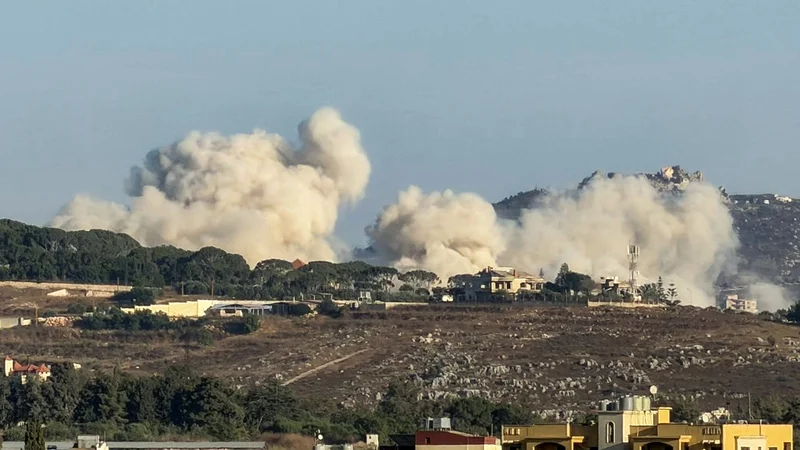
The delicate nature of the security situation was showed by an incident on the ground. Israeli forces fired near Lebanese troops as they deployed in Zawtar al-Gharbiya on Tuesday, July 21, 2026. The incident occurred during the Lebanese military's deployment into the village, which is part of a pilot zone operation in southern Lebanon. This development notes the volatile security situation despite ongoing efforts to establish a new security framework between Lebanon and Israel. The firing occurred on the same day US President Donald Trump and Lebanese President Joseph Aoun discussed a broader security agreement aimed at ending hostilities, emphasizing the gap between diplomatic aspirations and ground realities. Such incidents pose significant risks to the fragile peace process and require careful management to prevent escalation.
The incident in Zawtar al-Gharbiya also took place against a backdrop of renewed hostilities between Israel and Hezbollah, which resumed on March 2, 2026. The ongoing tensions and intermittent clashes further show the profound challenges faced in implementing any peace or security framework in the region. The Lebanese military's deployment is a key component of the US-brokered agreement, specifically designed to stabilize the border area and prevent further conflict by asserting the authority of the Lebanese state. However, confrontations like the one in Zawtar al-Gharbiya demonstrate the inherent fragility of the security environment and the persistent threats that could derail diplomatic achievements. The presence of multiple armed actors and the history of conflict make full security very difficult to achieve.
Separately, the Syrian Border Crossings and Customs Authority announced on Tuesday, July 21, 2026, the seizure of 226 grenades. The munitions were discovered hidden inside a vehicle that was heading toward Lebanese territory. The interception of this significant shipment by Syrian authorities points to ongoing efforts to prevent illicit arms flows into Lebanon, which could further destabilize the security landscape, particularly in the context of renewed hostilities and military deployments. The presence of such illicit arms trafficking notes the broader regional complexities and the need for coordinated efforts to control borders and prevent the proliferation of weapons that could undermine any security framework. The flow of weapons into Lebanon remains a critical concern for regional stability.
High-Level Diplomacy and Future Hopes
The July 21, 2026, meeting between US President Donald Trump and Lebanese President Joseph Aoun marked the first Oval Office meeting for a Lebanese head of state since 2009, noting renewed diplomatic engagement and a significant commitment from both nations to address the region's challenges. This high-level interaction provided a key platform for direct communication and strategic planning. Coinciding with these high-level discussions, the Trump administration's fiscal year 2027 budget includes a substantial $36 million funding request to support the Lebanese military. This financial commitment shows the United States' continued investment in strengthening Lebanon's state institutions and its capacity to maintain security and sovereignty. The funding is intended to bolster the Lebanese Armed Forces' capabilities, enabling them to effectively implement the security framework and secure the southern border.
Despite this strong international support and diplomatic momentum, the Lebanese military faces considerable challenges on the ground. The army command, referencing the unspecified incident during deployment, stated, "The army command stresses that this attack hinders the implementation of deployment steps in the pilot zones." This statement reflects the difficult operational environment and the potential for spoilers to disrupt the carefully planned security measures. The successful execution of the pilot zone deployments is critical for the credibility and long-term viability of the entire security framework. The ongoing support from the United States, both diplomatic and financial, is key for empowering the Lebanese military to overcome these obstacles and establish lasting peace and stability in south Lebanon. The international community views a strong and capable Lebanese military as essential to preventing future conflicts and ensuring the full implementation of the US-brokered agreement.