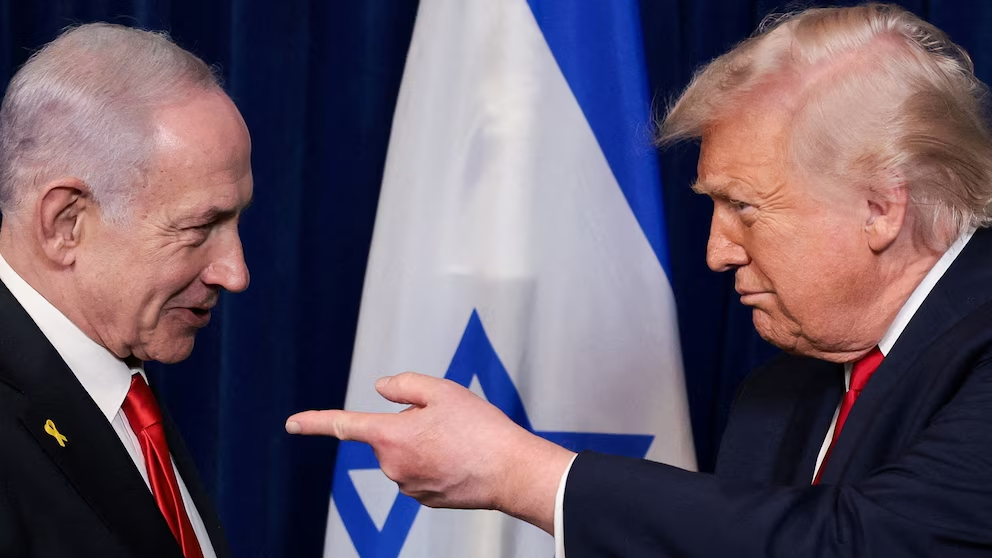
President Donald Trump reportedly cursed at Israeli Prime Minister Benjamin Netanyahu during a roughly 15-minute phone call on Monday, angered by Israel's escalation in Lebanon and its potential impact on ongoing negotiations with Iran. The expletive-filled call, first reported by Axios, occurred as news emerged that Iran was threatening to call off talks over Israeli conduct in Lebanon. The president had just made edits to a proposed peace plan and sent it to Iran for consideration, according to reports. Mr. Trump's frustration stemmed from the belief that Israel's actions could imperil the administration's ongoing negotiations with Iran, a key diplomatic initiative for the White House.
Iran subsequently announced on Tuesday its decision to suspend peace talks with the US over Israel’s ongoing campaign in southern Lebanon. This decision came on the heels of Iran's announcement to suspend peace talks, further complicating the already delicate diplomatic landscape. On Monday, President Trump posted on social media, "I had a conversation with Bibi Netanyahu today, asking him not to go into a major raid of Beirut, Lebanon. He turned his Troops around. Thank you Bibi!" This social media post followed Israel's threats to resume airstrikes on Beirut’s southern suburbs. Prime Minister Netanyahu stated, "I spoke with President Trump this evening and told him that if Hezbollah does not stop attacking our cities and citizens, Israel will attack terror targets in Beirut." He added, "Our position remains the same. At the same time, the IDF will continue to operate as planned in southern Lebanon." This statement from Mr. Netanyahu was released after the call Monday afternoon, detailing his firm stance against Hezbollah.
Escalation Sparks Diplomatic Firestorm
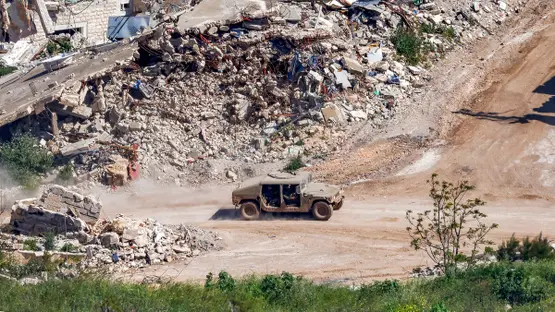
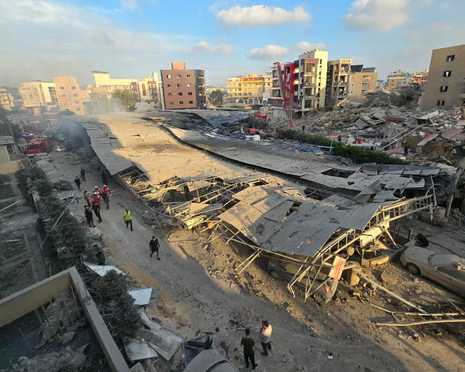
The Israel Defense Forces (IDF) are currently engaged with the Iran-backed Hezbollah militia in Lebanon, with Prime Minister Benjamin Netanyahu reportedly ordering the Israeli military to resume bombing the southern Dahiya area of Beirut to target Hezbollah. Hezbollah, identified as an Iranian-backed militia, has reportedly launched drone strikes into Israel, contributing to the heightened tensions. The IDF told Lebanese civilians to evacuate areas of southern Beirut, prompting thousands of people to flee their homes in anticipation of further military action. Following his call with President Trump on Monday afternoon, Mr. Netanyahu released a statement asserting, "I spoke with President Trump this evening and told him that if Hezbollah does not stop attacking our cities and citizens, Israel will attack terror targets in Beirut." He added that Israel's "position remains the same" and that "the IDF will continue to operate as planned in southern Lebanon," showing Israel's commitment to its military objectives despite international pressure.
Sources familiar with the call indicated that Mr. Trump accused Mr. Netanyahu of being ungrateful and called him "crazy." A US official summarized Mr. Trump's remarks to Mr. Netanyahu, stating, "You’re fucking crazy. You’d be in prison if it weren’t for me. I’m saving your ass. Everybody hates you now. Everybody hates Israel because of this." This reported exchange aligns with past comments from Mr. Trump, who publicly fumed last year during a 12-day exchange of strikes involving air power, missiles, and drones, stating that Iran and Israel "don’t know what the fuck they’re doing." The intense nature of the call notes the deep divisions and frustrations between the two leaders over regional strategy, particularly concerning Iran and its proxies.
Iran Talks Imperiled by Regional Conflict
The semi-official Tasnim news agency reported that the Iranian negotiating team would suspend "talks and the exchange of texts through mediators." Iranian Foreign Minister Abbas Araghchi stated on X that a "ceasefire between Iran and the U.S. Is unequivocally a ceasefire on all fronts, including in Lebanon." This declaration from Mr. Araghchi showed Iran's insistence on a full ceasefire that covers all regional theaters of conflict. The Islamic Revolutionary Guard Corps issued a statement asserting that Iran "considers crossing the red lines in Lebanon and Gaza to mean direct war," a stark warning to both Israel and the United States. Tehran also insisted that Lebanon should be included in any ceasefire agreement intended to facilitate negotiations to open the Strait of Hormuz and lift a United States blockade of Iranian ports. This demand notes Iran's strategic interests in ensuring regional stability and the free flow of commerce through vital waterways.
President Donald Trump had previously claimed that negotiators had reached a preliminary deal, which he was considering whether to sign. Mr. Trump told senior administration officials he wanted to speak with Prime Minister Benjamin Netanyahu, expressing fury that an escalation in Lebanon could derail progress in the ongoing talks. Mr. Trump posted on social media that discussions with Iran were continuing at "a rapid pace," attempting to project an image of continued diplomatic momentum despite the regional turmoil. Mark Levin, a pro-Israel talk show host, wrote that the "Iranian regime will benefit from that leak, viewing us as weak and desperate for a deal – even coming to Hezbollah’s defense." Such commentary reflected concerns among some observers that the perceived disunity between the U.S. And Israel could embolden Iran.
Conflicting Accounts of the Call
Channel 12, an Israeli news network, contested the details of the phone call between President Donald Trump and Prime Minister Benjamin Netanyahu. Amit Segal, Channel 12’s chief political analyst, stated that Mr. Trump had not personally attacked Mr. Netanyahu. According to Segal, Mr. Trump and Mr. Netanyahu reached an agreement where Mr. Trump would refrain from attacking Beirut suburbs if Hezbollah halted its attacks on Israel. This alternative account suggests a more structured and negotiated outcome to the high-stakes phone call, contrasting sharply with the reports of an expletive-filled confrontation.
Despite this reported agreement, relations between the two leaders have previously shown strain. Mr. Trump reportedly said, "Fuck him," after Mr. Netanyahu congratulated Joe Biden on winning the 2020 presidential election, which Mr. Trump contested. This incident revealed the depth of Mr. Trump's personal feelings regarding Mr. Netanyahu's actions during a politically charged period. However, Mr. Trump and Mr. Netanyahu also jointly launched strikes against Iran in February at Mr. Netanyahu’s urging, reflecting moments of cooperation and shared strategic objectives. Israel has consistently remained the United States’ principal ally in the region, a relationship that has endured through various political shifts and leadership changes in both countries.
Domestically, Israel's parliament this week backed a bill in its first reading to dissolve the Knesset and trigger early elections. This political development adds another layer of complexity to Mr. Netanyahu's leadership, as he faces both international diplomatic challenges and internal political pressures. Prime Minister Netanyahu's corruption trial is scheduled to continue after repeated delays, which have been attributed to Israel’s security situation, further noting the precarious balance of his political standing. The confluence of military escalation, strained alliances, and domestic political instability creates a highly volatile environment for all parties involved.