President Donald Trump met with Lebanese President Joseph Aoun at the White House on Tuesday, July 21, 2026, where discussions took place in the Oval Office. The high-level meeting was primarily focused on discussing continued U.S. Support for Lebanon amidst ongoing tensions in the Middle East. The meeting concluded President Aoun's four-day visit to Washington, a trip that showed the strategic importance of the relationship between the two nations. President Trump stated that Lebanon has "been a very badly treated place and country and we're going to have it properly treated and treated with the respect it deserves." The leaders addressed the ongoing U.S. Support for Lebanon amid regional tensions, emphasizing the critical role the United States plays in the stability of the volatile Middle East.
Lebanon's Strategic Goals and Security Concerns
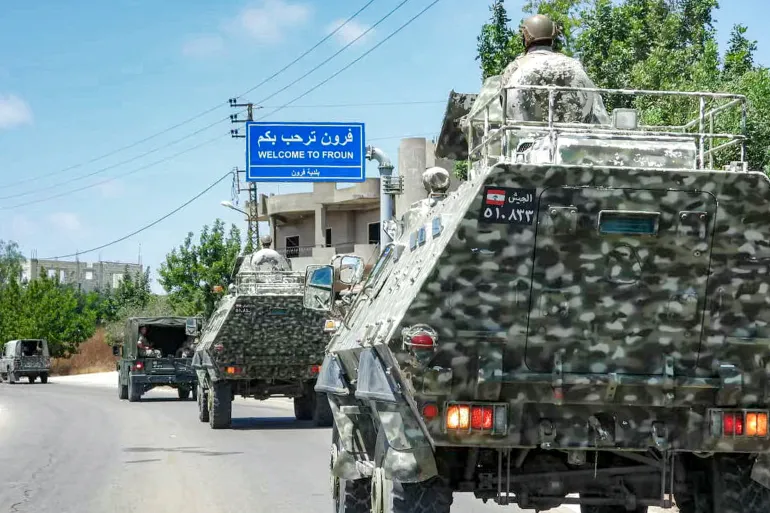
President Joseph Aoun's discussions focused intently on Lebanon's long-term strategic objectives within the volatile Middle East. A key aim of the framework agreement under consideration, which is strongly supported by the U.S. Is to conclude decades of hostilities between Lebanon and Israel. This objective is seen as critical for establishing lasting peace and security in the region. President Aoun stressed the critical importance of continued U.S. Political and military backing for the Lebanese Armed Forces (LAF). He advocated for strengthening the LAF to diminish Hezbollah's influence in southern Lebanon, noting the necessity for the LAF to replace Hezbollah's presence and activities in the south.
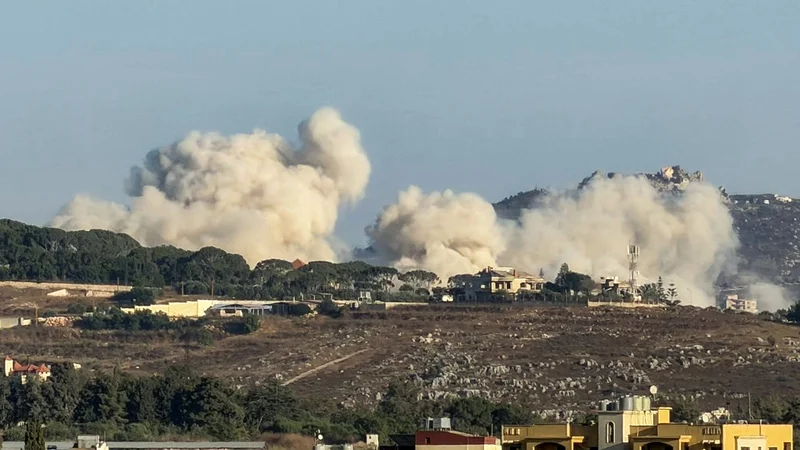
During his full talks with President Trump, Aoun also engaged on the persistent threat posed by the Iran-backed Hezbollah group. This discussion showed the challenges Lebanon faces from non-state actors operating within its borders. Their talks further addressed the potential for an Israeli troop withdrawal from southern Lebanon, a development that could significantly reshape regional dynamics and contribute to greater stability. Lebanon seeks U.S. Backing not only to stabilize its southern region but also to advance this key U.S.-backed framework agreement with Israel. The Lebanese leadership views this agreement as essential for its national security and regional standing.
Diplomatic Context and Significance
The visit by President Joseph Aoun marked the first time a Lebanese president had been to the White House since 2009, showing the diplomatic significance and urgency of the engagement. This gap between visits notes the renewed focus on Lebanon's stability and security needs. During his trip to Washington, President Aoun also held important discussions with Secretary of State Marco Rubio. The meeting with Secretary Rubio served to reaffirm the United States' commitment to the framework agreement, which aims to conclude decades of hostilities between Lebanon and Israel. This high-level interaction notes ongoing efforts to stabilize the region and bolster Lebanon's geopolitical standing amidst complex challenges. The discussions further emphasized the strategic importance of U.S. Support for Lebanon's security and sovereignty, recognizing Lebanon's key role in regional stability.
U.S. Commitment and Future Outlook
The meeting between President Donald Trump and President Joseph Aoun was primarily directed at discussing continued U.S. Support for Lebanon, particularly in light of ongoing tensions across the Middle East. Lebanon seeks this backing to help stabilize its southern region and to counter destabilizing forces. President Aoun's discussions also focused on advancing a U.S.-backed framework agreement with Israel. This agreement aims to conclude decades of hostilities between the two nations, which Lebanese officials view as critical for long-term regional stability and economic prosperity. The talks noted Lebanon's reliance on American assistance to navigate complex geopolitical challenges and secure its future. The commitment from the United States signals a continued partnership aimed at fostering peace and security in a vital part of the world.