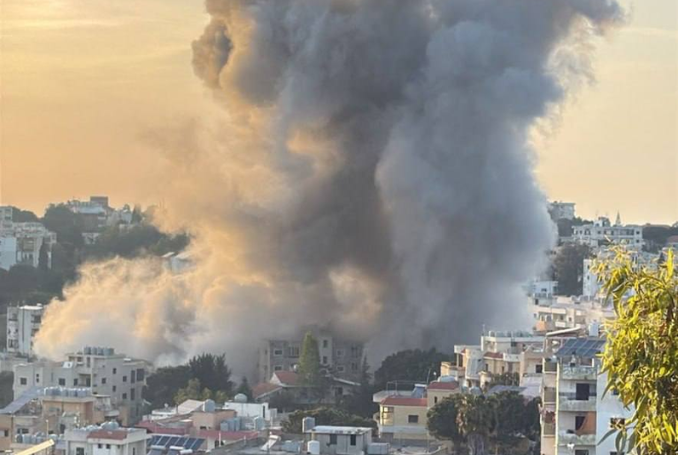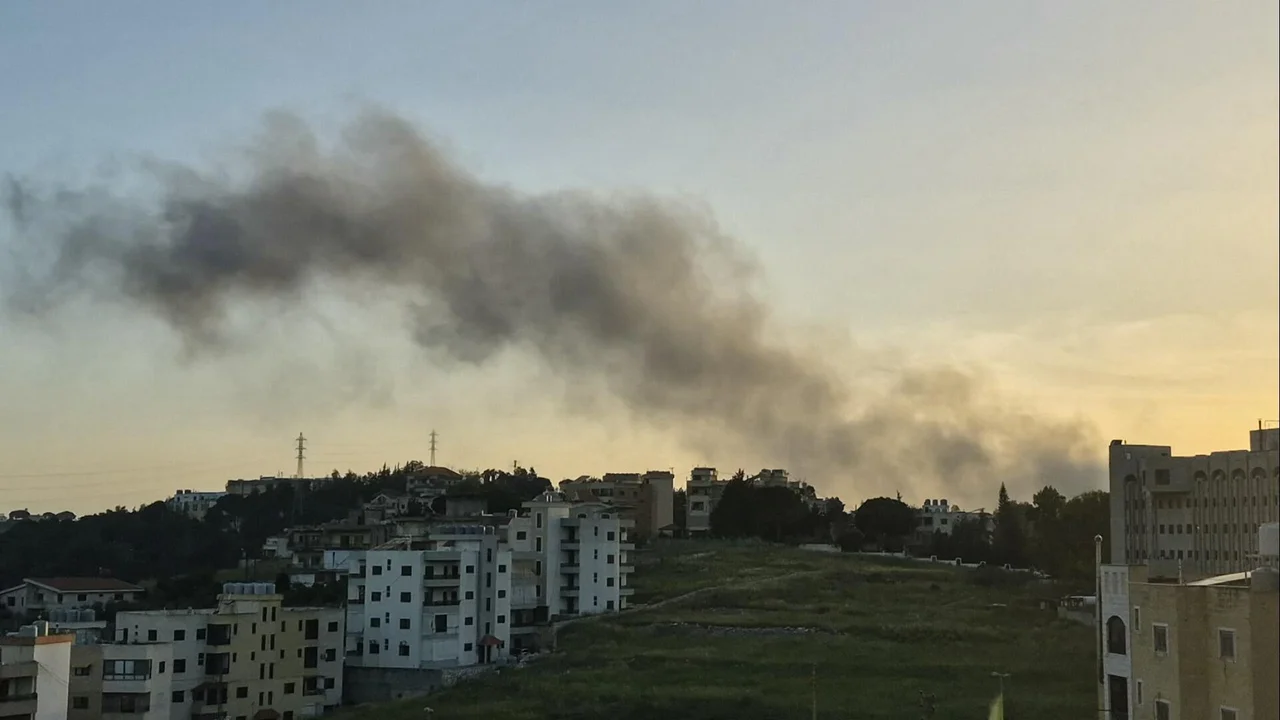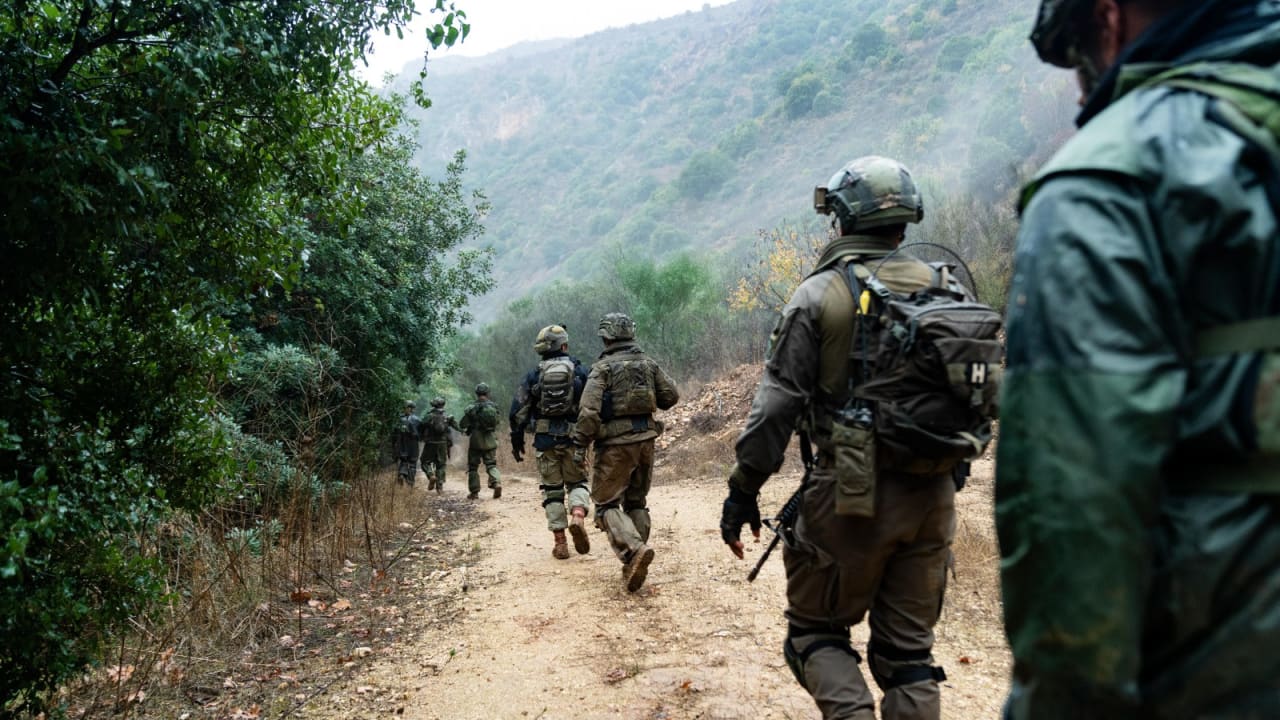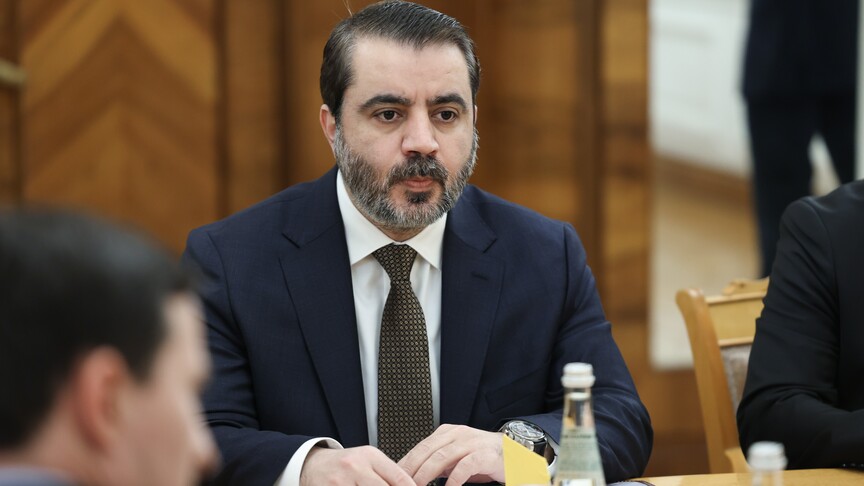
Syria's foreign minister on Monday voiced concern regarding "certain armed militias operating outside the state's sovereignty in Lebanon." The statement from the Syrian official marked Damascus's public acknowledgment of internal security issues within its western neighbor, specifically addressing non-state actors. The minister's comments highlight ongoing regional tensions and the complex interplay of armed groups across the Syrian-Lebanese border, showing the regional implications of such groups. This public declaration from Damascus signals a shift in its diplomatic posture concerning its immediate neighbors.
Syria's Stance on Lebanon
Syrian foreign minister Asaad al-Shaibani made statements carried by the Syrian Al-Ikhbariya TV, affirming Syria's desire for a stable relationship with its neighbor. Al-Shaibani stated, "We view Lebanon as a partner and neighbor to Syria, and we hope to achieve stability there along with economic cooperation between the two countries." He added that Syria is seeking to lay the foundations for long-term institutional cooperation, aiming to move past a relationship focused only on humanitarian assistance toward a broader partnership driven by shared interests. This approach is being pursued "with the utmost seriousness," according to the foreign minister. The emphasis on institutional cooperation suggests a desire for a more formalized and enduring relationship between the two nations, moving beyond ad-hoc arrangements. Meanwhile, the EU restored the full application of its cooperation agreement with Syria on Monday. These developments follow Bashar al-Assad's flight to Russia in December 2024, an event that significantly altered the political landscape in Syria and paved the way for new diplomatic overtures.
EU-Syria Partnership Forum
Syrian Foreign Minister Asaad al-Shaibani delivered his statements during a joint news conference with EU Commissioner for the Mediterranean Dubravka Suica. The joint appearance showed the renewed engagement between Syria and the European Union. During the conference, Damascus affirmed its engagement with European countries, stating it is pursuing this relationship "with the utmost seriousness." The foreign minister's remarks showed Syria's commitment to diplomatic efforts with the European Union, signaling a clear intent for deeper ties. The presence of Commissioner Suica at the press conference further noted the EU's role in this evolving diplomatic relationship.
The EU Council recently adopted a decision to terminate the partial suspension of the Cooperation Agreement between the European Economic Community and Syria. This move signals a significant step towards normalizing relations and fostering renewed cooperation between the two entities. The reinstatement of the agreement allows for the full application of its provisions, potentially opening avenues for broader engagement and partnership across various sectors. This decision effectively reverses a long-standing diplomatic freeze, indicating a new chapter in EU-Syria relations.
Broader Regional Stability
The news conference where Syrian Foreign Minister Asaad al-Shaibani made his statements took place on the sidelines of the EU–Syria Partnership Forum in Brussels, Belgium. The forum itself served as a key platform for dialogue and the re-establishment of diplomatic channels between Syria and the European Union. The forum occurred as a transitional administration led by President Ahmad al-Sharaa was formed in January 2025. This development follows a recent decision by the EU Council to terminate the partial suspension of the Cooperation Agreement between the European Economic Community and Syria. The decision repeals a 2011 measure that had halted parts of the deal due to the Assad regime’s human rights violations. The full application of the agreement signifies a fundamental shift in relations between the European Union and Syria, reflecting the broader geopolitical changes in the region following the departure of the former regime.