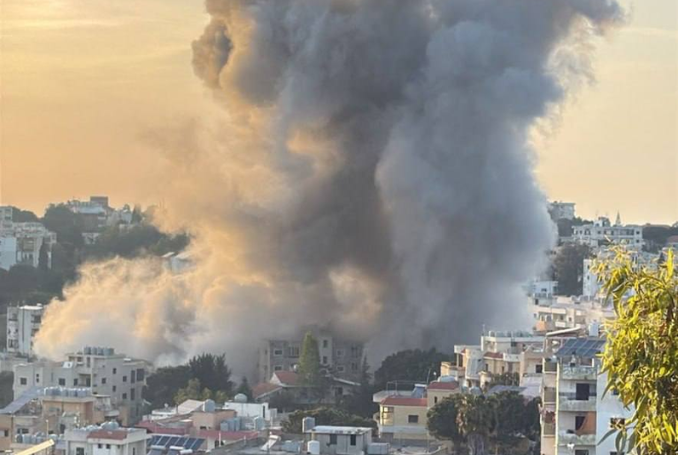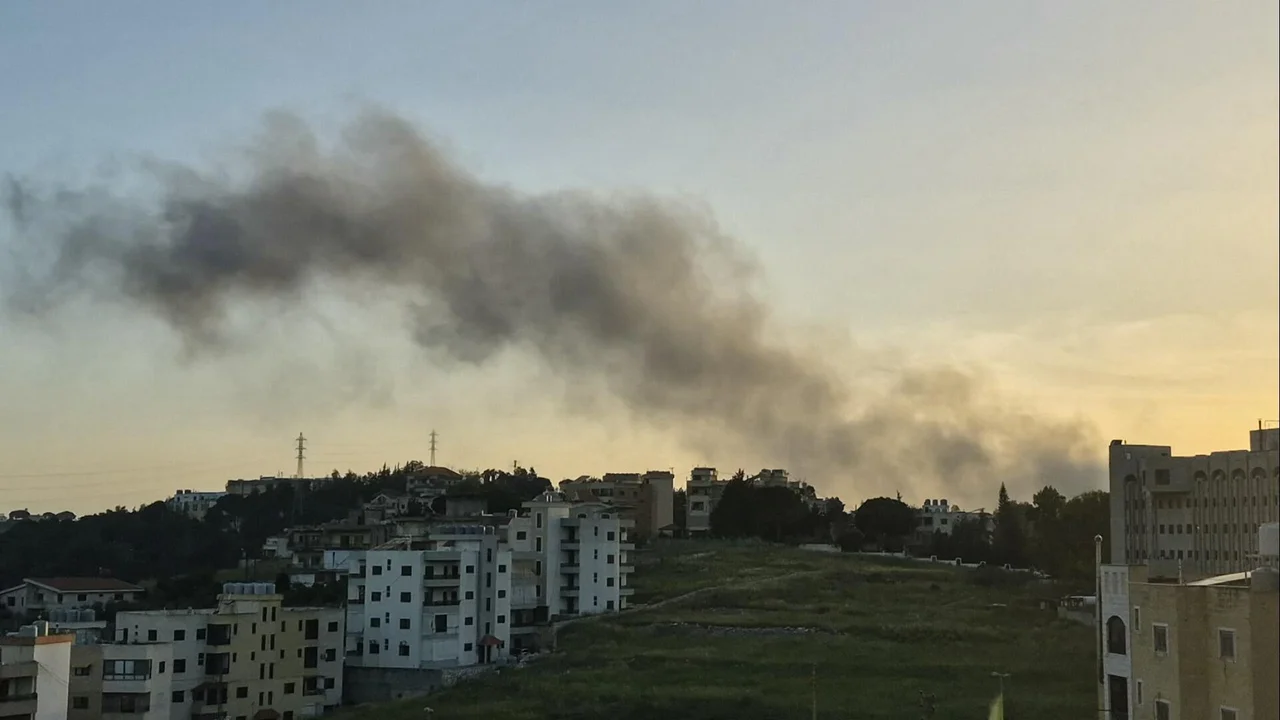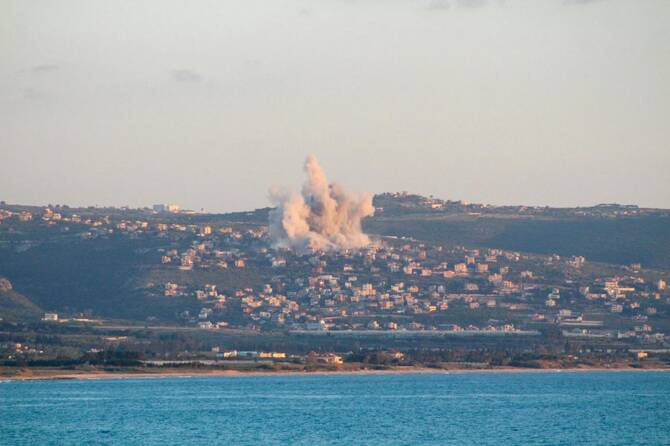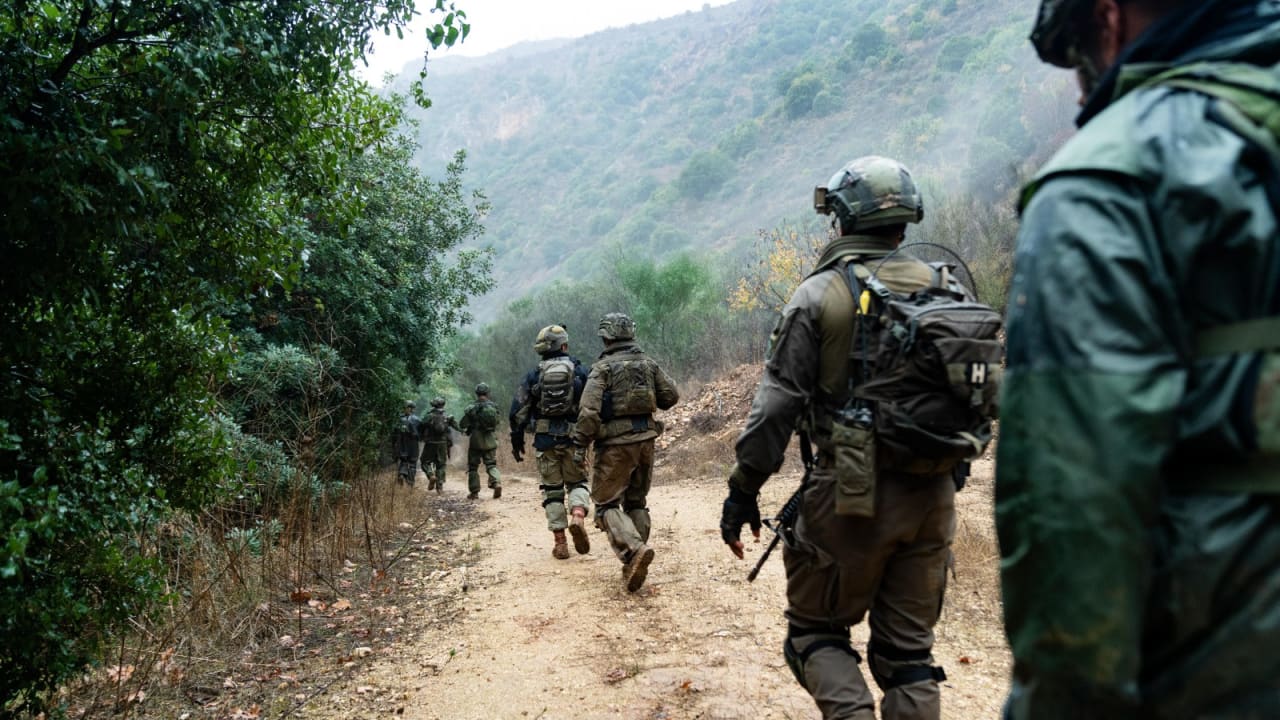
Hezbollah leader Naim Qassem stated the organization is re-adopting guerrilla warfare tactics against the Israel Defense Forces (IDF). Qassem's remarks indicate a strategic shift in Hezbollah's approach amid ongoing tensions, signaling a return to methods long associated with the group's early operations against Israeli forces. This declaration outlines the group's intent to engage the IDF using unconventional methods along the border, moving away from more conventional confrontations that might expose them to superior Israeli firepower. The re-adoption of guerrilla warfare tactics suggests a deliberate strategy to prolong the conflict and impose a heavy toll on Israeli ground forces, leveraging intimate knowledge of the terrain and surprise attacks.
Hezbollah's Guerrilla Warfare Shift
Hezbollah is increasing pressure on the border line and on the communities along the confrontation line. This intensified pressure is part of their broader strategy to disrupt normal life and create a buffer zone along the frontier. Over the weekend, the organization released a video depicting a strike targeting an Israel Defense Forces (IDF) air defense battery located on the northern border. This video served as a clear message of their operational capabilities and willingness to engage high-value Israeli targets. The attack resulted in three soldiers being wounded, with one soldier sustaining serious injuries, showing the direct and immediate impact of these guerrilla-style operations on Israeli personnel. Such actions are designed not only to inflict casualties but also to undermine morale and demonstrate Hezbollah's persistent threat.
IDF's Costly Response
The Israel Defense Forces (IDF) has reported killing more than 2,000 Hezbollah terrorists and operatives in its operations since the conflict escalated. This figure notes the intensity of the fighting and the significant human cost borne by Hezbollah. IDF actions have also resulted in the destruction of hundreds, potentially thousands, of homes belonging to Lebanese civilians. These properties were reportedly used by Hezbollah for terrorist activities, transforming civilian infrastructure into military assets. The destruction of these homes, claimed by the IDF to be legitimate military targets due to their alleged use by Hezbollah, has contributed to widespread displacement and humanitarian concerns in southern Lebanon. Separately, IDF officials have stated that the water level in the Litani River currently reaches only knee height, a stark observation that speaks to environmental conditions in the region amidst the ongoing conflict. This detail, though seemingly peripheral, can have significant implications for local agriculture and daily life.
Humanitarian Impact
The original objective of Operation Roaring Lion was to weaken Hezbollah. Defense Minister Israel Katz boasted that the Israel Defense Forces (IDF) had destroyed the bridges over the Litani River, a strategic move aimed at disrupting Hezbollah's logistical and operational capabilities within southern Lebanon. As a direct consequence of the ongoing conflict, residents of southern Lebanon are evacuated from their homes, leaving behind their livelihoods and communities. Simultaneously, residents of northern Israeli border communities are forced to live under an intense routine of missile and drone attacks, leading to widespread displacement and disruption of daily life on the Israeli side as well. The sustained exchange of fire has significantly impacted civilian life on both sides of the border, creating a humanitarian crisis characterized by displacement, destruction, and a constant state of fear. The destruction of infrastructure and the displacement of populations show the severe civilian toll of this prolonged engagement.
Strategic Stalemate
The ongoing conflict between Israel and Hezbollah has evolved into a strategic stalemate along the border. Both sides continue to engage in exchanges of fire, impacting communities in northern Israel and southern Lebanon, with no clear end in sight. The Israel Defense Forces (IDF) have reported operations targeting Hezbollah, asserting their efforts to degrade the group's capabilities and prevent further attacks. Meanwhile, Hezbollah maintains its pressure on border communities, demonstrating its resolve and ability to sustain a protracted conflict. This sustained confrontation has led to significant disruption for civilians on both sides, with residents evacuated from their homes and facing an uncertain future. The situation reflects a continued deadlock where neither party appears to achieve a decisive breakthrough, perpetuating a cycle of attrition across the region, with each side seeking to wear down the other through continuous, low-intensity conflict.