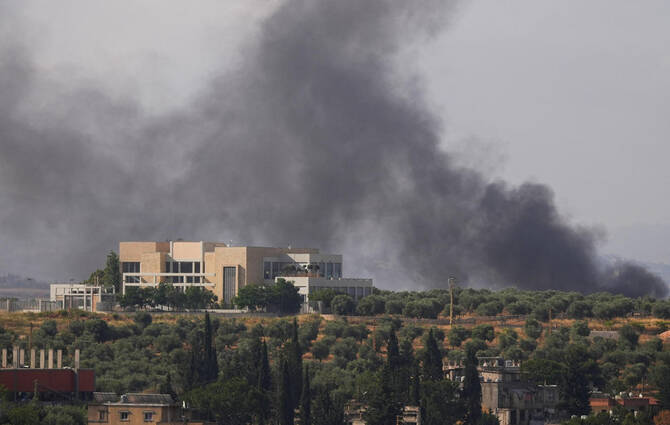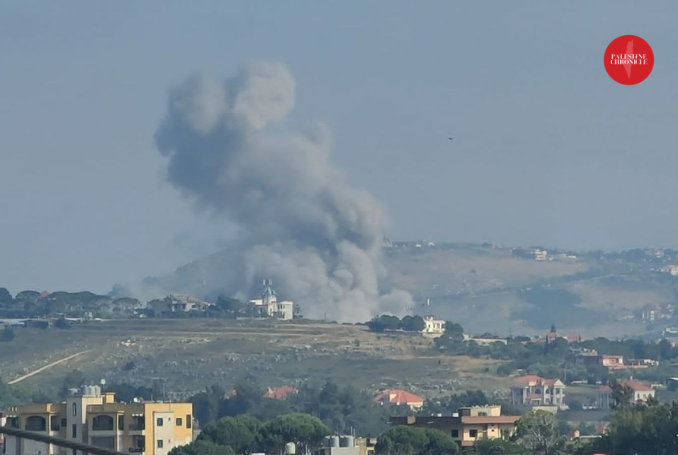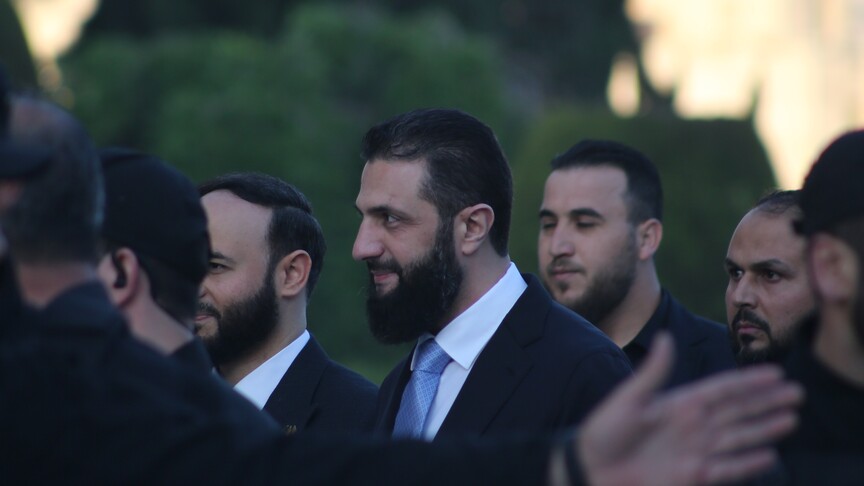
Syrian President Ahmad al-Sharaa denied reports on Saturday that Syria plans to intervene militarily in neighboring Lebanon. The Syrian leader dismissed the speculation that Damascus would send forces into the country. President al-Sharaa stated that such action was "not a priority at the present time," directly addressing concerns about potential Syrian military involvement in Lebanon.
President's Statement on Lebanon
President Ahmad al-Sharaa directly addressed the rumors, stating, "What is being circulated about Syria entering Lebanon is completely untrue." The Syrian President made the remarks to a delegation from the Damascus countryside, with his comments cited by the official SANA news agency. He elaborated that the ongoing crises within Lebanon itself and the internal displacement of approximately 1.5 million people in Syria meant that any border issue was not a priority for his government. President al-Sharaa explicitly called the demarcation of the border between Syria and Lebanon “not a priority at the present time,” citing these internal challenges as primary reasons. This statement aimed to quell concerns regarding potential Syrian military movements into Lebanese territory, emphasizing the internal challenges faced by both nations. President al-Sharaa's remarks showed Syria's position that its focus remains on domestic issues rather than military interventions abroad.
Lebanon's Security Situation
Lebanon has been experiencing ongoing Israeli attacks since early March. These attacks have resulted in the deaths of over 3,700 people within the country. Additionally, more than 11,600 others have sustained injuries due to the hostilities. The violence has also led to the displacement of more than 1.5 million people from their homes across Lebanon. The constant threat posed by these attacks has significantly impacted the daily lives and stability of the Lebanese population, contributing to the broader regional instability.
Border Demarcation History
Border demarcation has remained a troubling issue for Lebanon and Syria since both nations gained independence from France between 1920 and 1946. The Lebanese-Syrian border spans approximately 375 kilometers, traversing a varied landscape of mountains, valleys, and plains. A significant challenge in this area is the lack of clear indicators, as there are no markers or signs explicitly delineating the dividing line between the two countries. This absence of formal demarcation has historically led to ambiguities and disputes. Despite these issues, the nations are linked by six established land border crossings, facilitating movement and trade between them. The unresolved nature of the border has contributed to ongoing complexities in the relationship between Damascus and Beirut, often surfacing in discussions about sovereignty and territorial integrity.
Syrian Official Statements
Syrian President Ahmad al-Sharaa emphasized that the demarcation of the border between Syria and Lebanon is "not a priority at the present time." He made this statement in the context of broader discussions regarding Syria's focus on domestic issues, including the internal displacement of around 1.5 million people within Syria and the ongoing crises affecting Lebanon. The President's remarks showed his government's position amid ongoing reports of potential military involvement, aiming to redirect focus towards internal stability and humanitarian concerns rather than external military operations or border disputes. This stance notes the Syrian leadership's current strategic priorities.