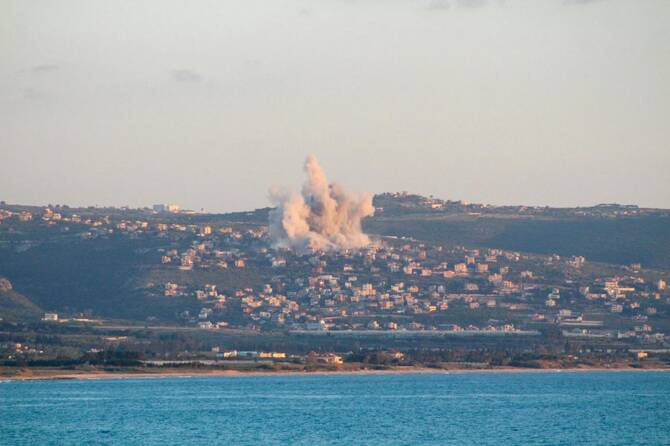
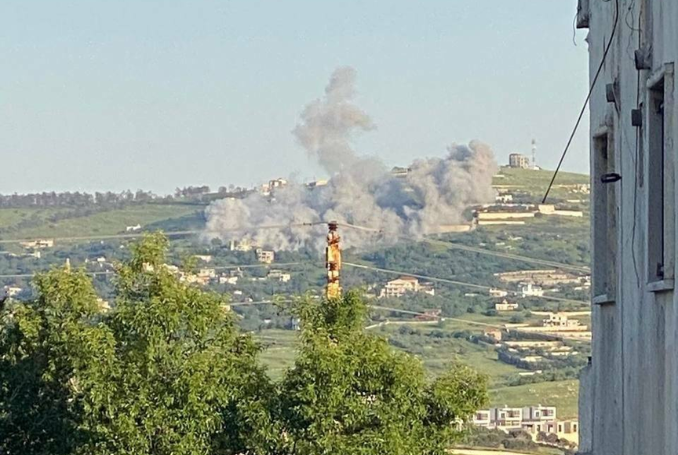
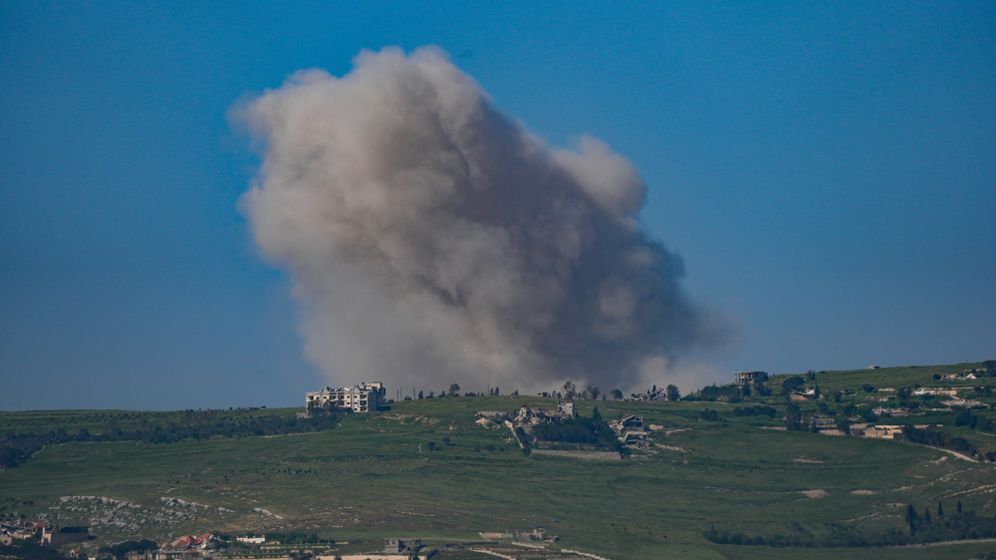
A U.S.-brokered ceasefire, initially announced on April 16 and effective April 17, was extended by three weeks, but hostilities have continued in southern Lebanon. Despite these diplomatic efforts aimed at de-escalation, Israel and the armed group Hezbollah have continued to exchange fire in the region. This persistent exchange of fire shows the fragility of the truce and the ongoing tensions along the border. Recent Israeli airstrikes in southern Lebanon killed at least five people and wounded eight, according to reports from the area. Among the fatalities were four individuals in the southern village of Toura, located near Tyre, a community that has frequently found itself caught in the crossfire. The strikes have raised significant concerns about civilian casualties and the humanitarian situation in the affected areas.
Hezbollah Retaliation and Israeli Claims
Hezbollah responded to the recent Israeli strikes by firing a salvo of rockets towards northern Israel, marking a direct escalation following the initial attacks. The Israeli military reported successfully intercepting one rocket, while the remaining projectiles landed in open areas, causing no casualties. This pattern of retaliatory strikes notes the tit-for-tat nature of the conflict, where each action often prompts a counter-action. Israel, for its part, stated it had killed more than 85 Hezbollah militants in the past week and targeted 180 sites used by the group, indicating a broad scope of military operations. These figures, provided by the Israeli military, suggest an intensive campaign against Hezbollah infrastructure and personnel. On Thursday, the Israeli military announced it had killed Ahmed Balout, identified as a commander in Hezbollah’s elite Radwan Force, alongside two other militants. This targeted killing points to efforts by Israel to degrade Hezbollah’s command structure and operational capabilities, particularly within its elite units.
Broader Conflict and Regional Impact
Beyond the immediate border skirmishes, the conflict has shown signs of broadening. Lebanon’s state-run National News Agency reported an additional airstrike near the southeastern village of Kfar Chouba, which resulted in the death of a paramedic with the Lebanese Civil Defense. This incident shows the risks faced by humanitarian workers operating in the conflict zone and adds to the growing count of non-combatant casualties. Separately, an Israeli airstrike struck Beirut's southern suburbs on Wednesday, a significant development that brings the conflict closer to Lebanon's capital and raises fears of a wider regional conflagration. The latest conflict between Israel and Hezbollah commenced on March 2, marking a sustained period of intense cross-border violence that has impacted communities on both sides of the frontier. The strikes in Beirut's southern suburbs represent a notable expansion of the operational area, signaling an increased willingness to target locations further from the immediate border.
International Scrutiny and Security Zone
Israel has carved out a self-declared security zone in southern Lebanon, a strategic area that has historically been a flashpoint. The establishment of this zone has drawn international attention, particularly as hostilities continue in the region despite ongoing ceasefire efforts. This unilateral declaration by Israel complicates efforts to establish lasting peace and stability, as it is viewed by many as an infringement on Lebanese sovereignty. The ongoing military actions and the presence of such a zone contribute to the complex geopolitical landscape of the border area, making de-escalation a challenging prospect. Observers from various international bodies continue to monitor the situation closely, noting the potential for broader regional implications arising from the sustained conflict between Israeli forces and Hezbollah. The self-declared security zone remains a point of contention amidst calls for de-escalation and a lasting resolution to the cross-border exchanges, with international actors urging both sides to exercise restraint and adhere to the ceasefire agreements. The continued violence in this sensitive region poses a significant threat to regional stability and demands sustained diplomatic engagement.