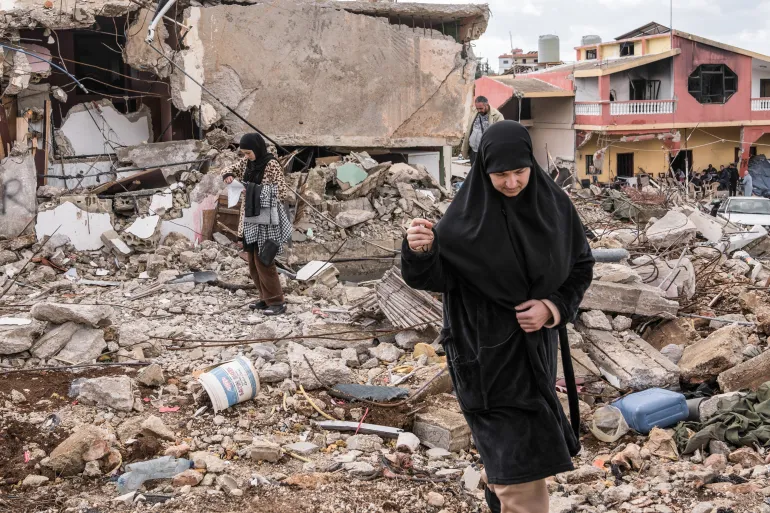
A journey through South Lebanon reveals a population refusing to abandon its land as Israel intensifies what the article describes as a campaign of destruction, ethnic cleansing, and permanent occupation. This steadfast refusal to yield shows a deep connection to the land and a determination to rebuild, even in the face of relentless assault. The town center of Nabatieh, which hosts the city's historical market, provides a stark example of this cycle of destruction and resilience. It was targeted during the last conflict in 2024 and subsequently rebuilt, a testament to the community's resolve. However, the market was struck and destroyed again after the current conflict resumed in early March, illustrating the devastating impact of the ongoing hostilities on civilian infrastructure and livelihoods. The repeated targeting of such a central and historically significant location notes the profound challenges faced by the residents of South Lebanon.
Following this renewed destruction in Nabatieh, Israel responded with a wave of new airstrikes, including 25 on towns surrounding Nabatieh, further escalating the conflict and extending its reach. These strikes compounded the damage and fear in the region, leaving communities grappling with widespread devastation. Israeli bombing further resulted in the deaths of six individuals in the village of Al-Duwayr, among them a child, adding to the tragic human cost of the violence. The impact of these strikes is felt deeply by families and neighborhoods, as homes are destroyed and lives are irrevocably altered. Despite the ongoing destruction, residents continue to demonstrate remarkable resilience, working tirelessly to restore their communities amidst the continuing conflict. Their efforts are a powerful symbol of their determination to maintain their way of life and resist displacement, even as the threat of further attacks looms large.
Echoes of War in Nabatieh
The Cradle arrived in the Lebanese town of Nabatieh on the afternoon of June 18, observing firsthand the impact of the conflict on the ground. Israeli troops continue to occupy positions on the hills overlooking Nabatieh, maintaining a menacing presence that casts a long shadow over the town. Just two days later, on June 20, the conflict saw a significant escalation when Israel carried out a strike in the town of Qannarit, located on the outskirts of the coastal city of Sidon (Saida). This strike, further north than many previous engagements, signaled a widening geographical scope of the hostilities, raising concerns about the conflict's potential to engulf broader areas of Lebanon.
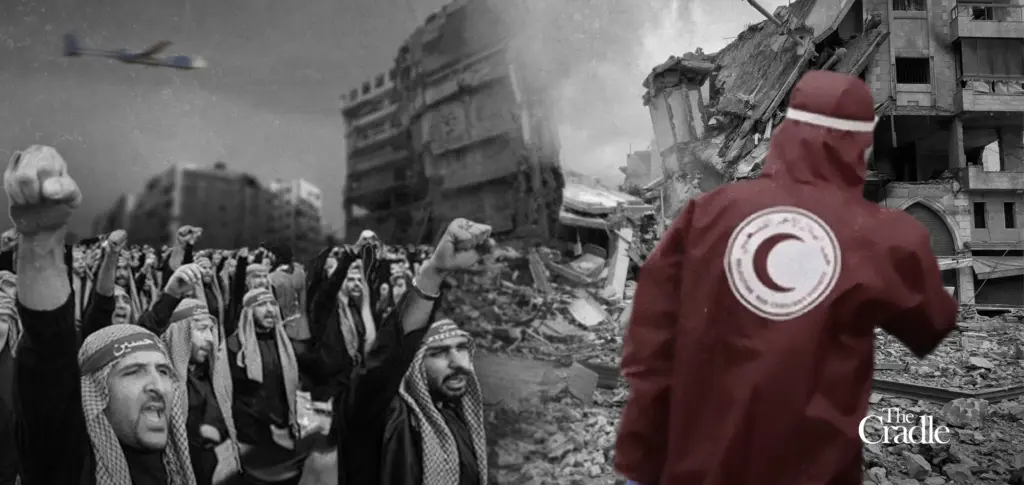
During the Qannarit strike, Israeli forces dropped a massive bomb on a residential building, completely obliterating it and leaving behind a scene of utter devastation. A civil defense worker, among the first responders to the horrific scene, stated that the death toll in Qannarit had reached 17, including several children, emphasizing the indiscriminate nature of the attack and its tragic consequences for innocent lives. The residential building was not merely damaged but entirely replaced by a giant crater, measuring approximately 20 feet (7 meters) deep and 30 feet (9 meters) wide, a stark and horrifying testament to the immense power of the ordnance used. This particular detail provides a chilling visual of the destruction, illustrating the catastrophic force unleashed upon a civilian area. Israel is known for using US-made 2,000-pound (907 kilograms) MK-84 bombs in Lebanon, munitions capable of causing such widespread devastation and leaving behind such profound physical scars. Israeli media, in their reporting on the incident, claimed that a Hezbollah commander was targeted in Qannarit, though the civilian casualties and the scale of destruction raised serious questions about the precision and proportionality of the strike, drawing international scrutiny to the methods employed.
The Human Cost of Conflict
The human toll of the conflict has been staggering, with strikes across southern Lebanon killing 47 people in one night, showing the intensity and lethality of the bombardments. This single night of violence represents a significant loss of life, impacting numerous families and communities, and leaving a lasting imprint of grief and trauma. An Israeli strike destroyed a home in a village near Nabatieh, resulting in the deaths of nine people, including two young women and three young girls, a heartbreaking indication of how families are torn apart by the violence. The destruction of homes and the loss of multiple family members in a single incident highlight the devastating and indiscriminate nature of the attacks on civilian areas. Israeli bombing also killed seven individuals in the village of Haboush, adding to the growing list of civilian casualties and further illustrating the widespread impact of the conflict across various communities in the south. The blast in Qannarit, as previously mentioned, killed at least seven people, according to a preliminary toll, a number that tragically escalated as rescue efforts continued, revealing the full extent of the human tragedy.
The conflict has not spared those dedicated to humanitarian aid and emergency response, who often put their lives at risk to help others. Joud Soleiman, a member of the Nabatieh Ambulance Service, was tragically killed on March 24 by an Israeli drone strike while performing his duties. Joud Soleiman was only 16 years old when he was killed, a poignant reminder of the youth and potential lost to the conflict, and a stark illustration of the dangers faced by even the youngest emergency workers. Ali Jaber, 23 years old, was killed alongside Joud Soleiman in the same incident, noting the extreme dangers faced by first responders who bravely rush to scenes of devastation. Elsewhere, Fadel Serhan, 43 years old, of the Risala Scout Association, a respected community figure known for his dedication to youth and social welfare, was killed in the Mayfadoun strike, further illustrating the broad impact of the violence on various segments of society and the tragic loss of community leaders.
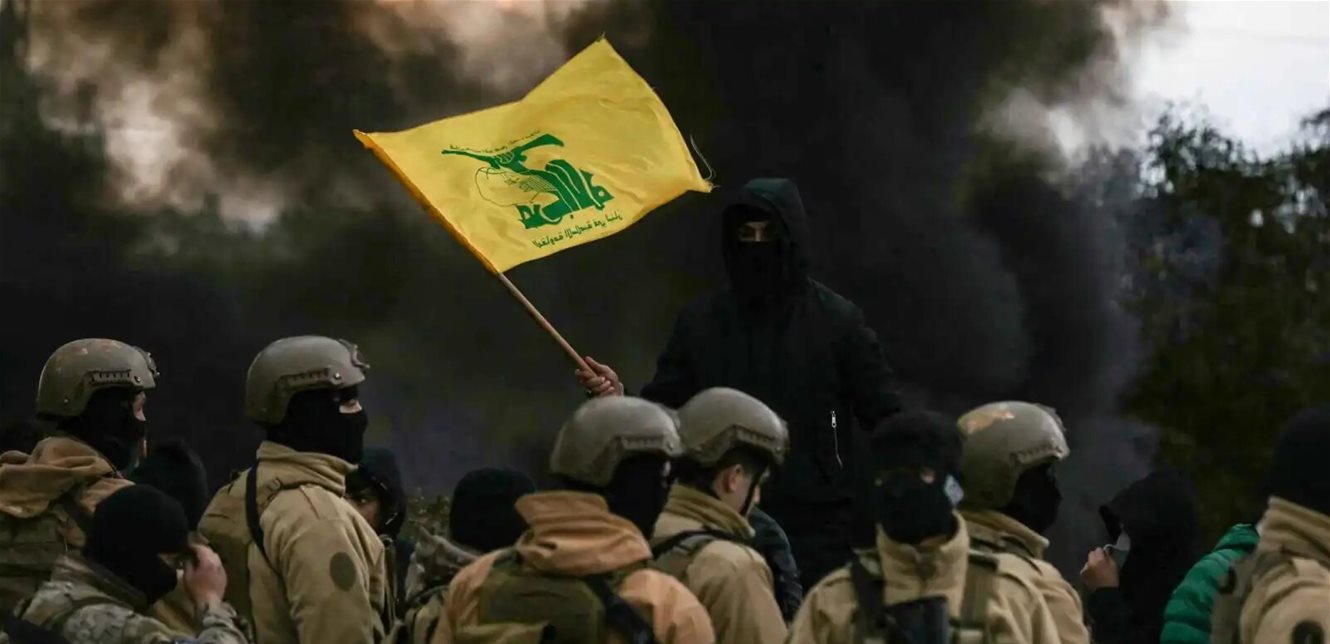
Beyond civilian casualties and humanitarian workers, the conflict has also claimed the lives of combatants. Four Hezbollah fighters, Bilal Mahmoud Atawi, Amin Hassan Harb, Mohammad Baqir Hussein Harb, and Hassan Nazih Ayoub, were killed in battles with invading Israeli troops, representing the direct military engagements taking place on the ground. These clashes show the ongoing armed confrontation and the sacrifices made by those directly involved in the fighting.
Voices of Defiance and Grief
Amidst the destruction and loss, there are also accounts of military engagements and resistance, demonstrating the ongoing struggle for control and security. On June 19, Hezbollah fighters ambushed invading Israeli forces on the strategic hill of Ali al-Taher, deploying guided missiles along with rocket and artillery fire. This coordinated attack resulted in the destruction of three Merkava tanks, a significant blow to the Israeli forces and a demonstration of Hezbollah's military capabilities, showcasing their tactical prowess in defending their positions. Following this engagement, Israeli media announced that four members of a tank crew were killed by a Hezbollah anti-tank missile or drone, with a battalion commander among the casualties, indicating the high stakes and severe consequences of these clashes for military personnel. Lebanon’s state news agency described an overnight bombardment as one of the "most intense of the war," indicating a significant escalation in the conflict and the sheer volume of ordnance being used, suggesting a heightened level of military activity and destruction. Israeli media also claimed that a Hezbollah commander was targeted in Qannarit, though the civilian casualties in that strike raised serious concerns about the accuracy and ethical implications of such targeting claims.
The human cost of the conflict includes young individuals like Joud Soleiman, who was 16 years old when he was killed, his life tragically cut short before he could realize his full potential. Mahdi Abou Zeid, 31 years old, was among three first responders killed by Israel in a "quadruple tap" strike in the nearby town of Mayfadoun on April 15. This type of strike, involving multiple successive attacks on the same location, often targets rescue workers attempting to aid victims of an initial strike, raising serious humanitarian concerns about the deliberate targeting of those providing aid. The violence has drawn international attention, with US President Donald Trump acknowledging that Israeli Prime Minister Benjamin Netanyahu was using shocking levels of violence in Lebanon. Trump commented, "You don’t have to knock an apartment down every time you’re looking for somebody," a rare public rebuke from a key ally, noting the disproportionate nature of the Israeli military's actions and the widespread destruction inflicted upon civilian areas. This statement from a prominent international figure shows the severity of the situation and the global concern over the tactics employed in the conflict, adding to the pressure for de-escalation and adherence to international humanitarian law.