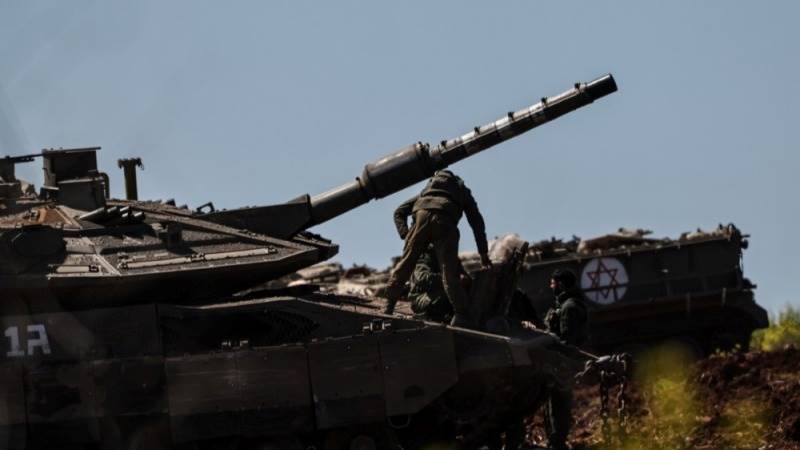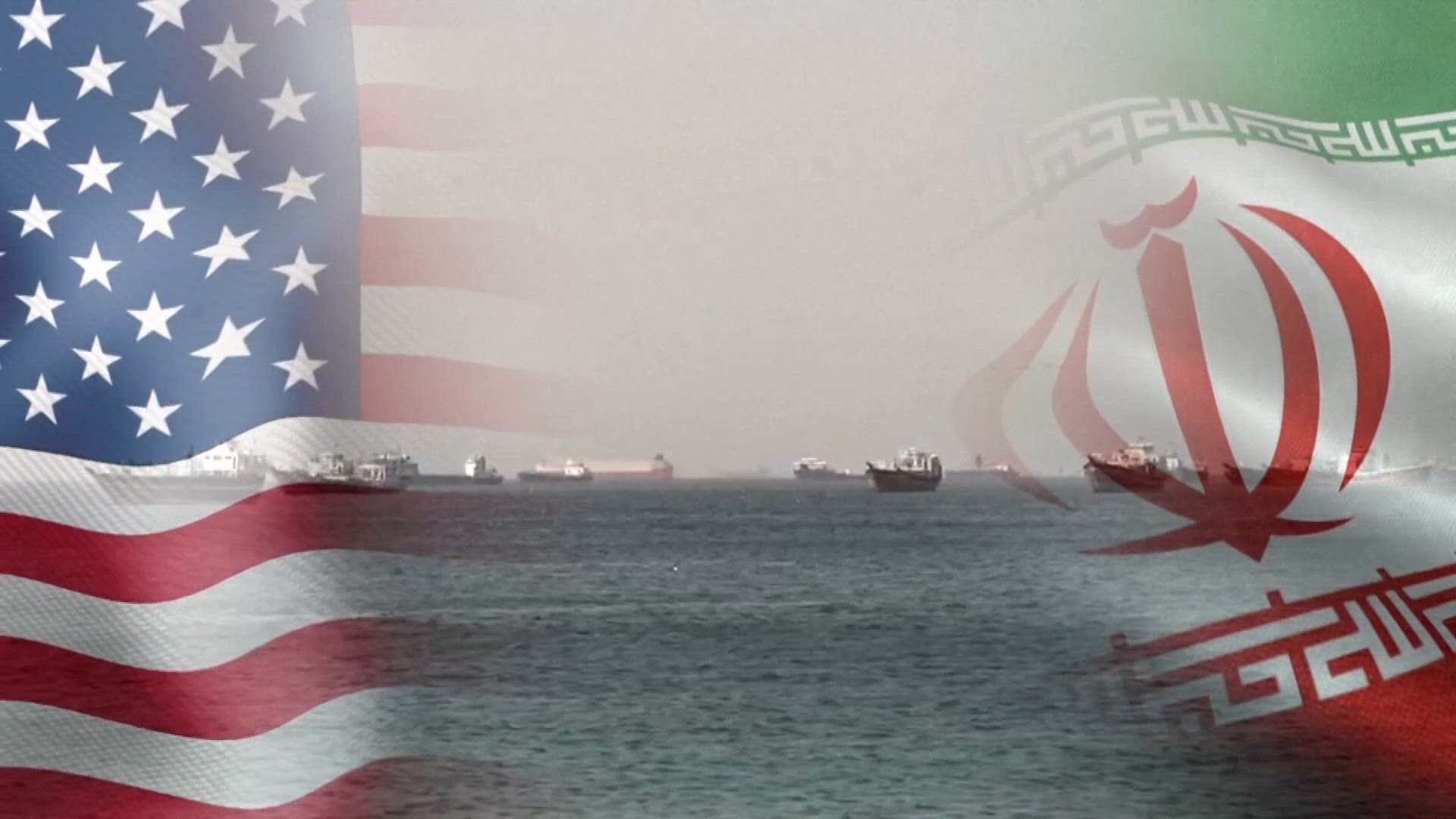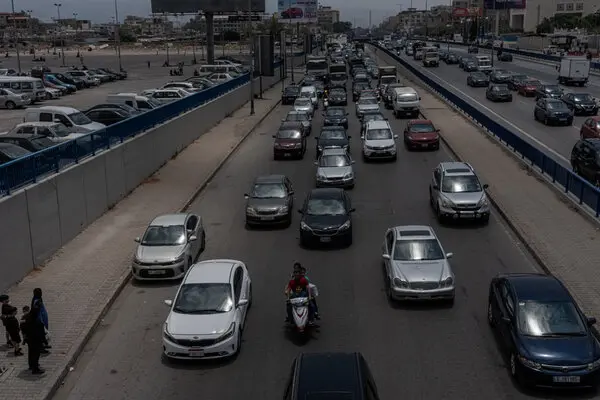
Prime Minister Benjamin Netanyahu of Israel announced the widening of the military campaign against Hezbollah, specifically targeting the southern suburbs of Beirut, according to reports. This declaration prompted thousands of residents to flee Lebanon’s capital, particularly from the southern areas, as the specter of intensified conflict loomed. The warning issued by Prime Minister Netanyahu stoked fears that the shaky cease-fire between Israel and Hezbollah, which had been in place for several months, was on the brink of collapse. Israel had largely refrained from attacking Beirut since a U.S.-Iran cease-fire took effect in early April, but the recent announcement signals a significant and concerning shift in military strategy and regional dynamics.
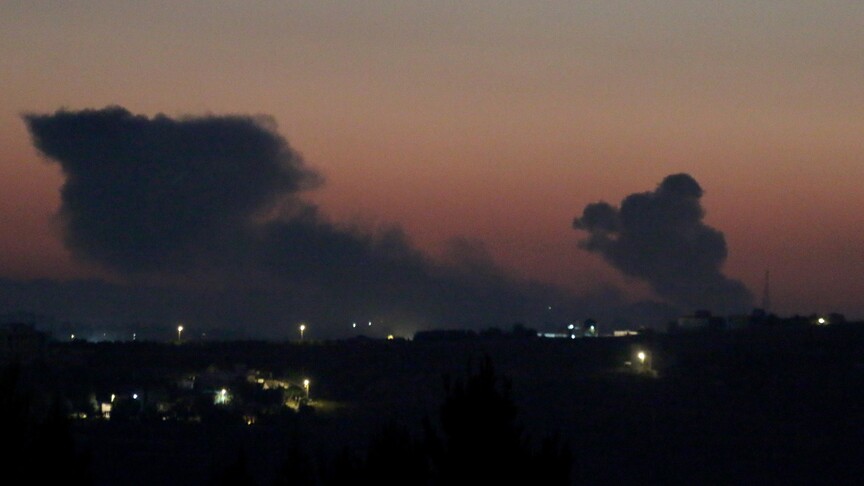
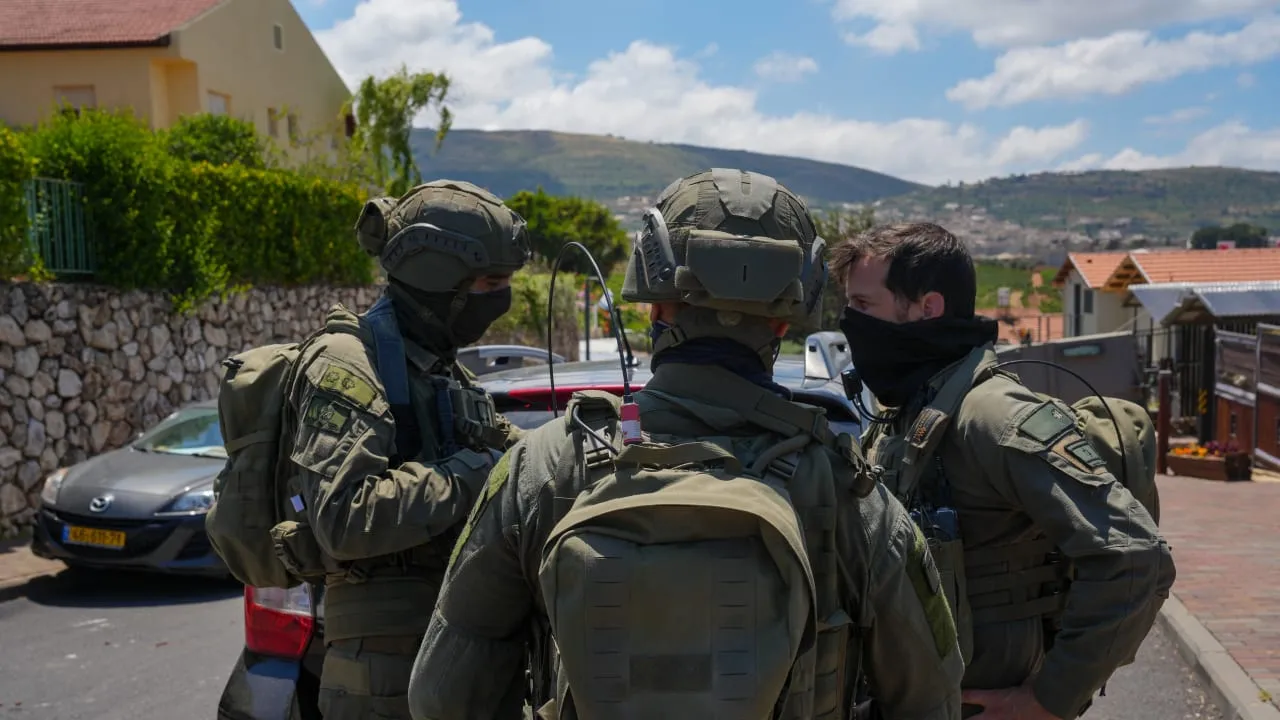
Despite a U.S.-brokered cease-fire between Israel and Hezbollah that was announced in April, both sides have continued to launch attacks since then, with fighting escalating markedly over the past week. This ongoing exchange of fire has consistently challenged the fragile peace efforts. Hezbollah has reportedly fired on both Israeli soldiers within Lebanon and targets located in northern Israel, indicating a persistent and active front. Israel has continued to conduct bombardments in southern and eastern Lebanon, contributing to the cycle of violence. A broader cease-fire was declared in Lebanon in November 2024, aiming to establish a more full calm across the region. However, the current developments, particularly the direct targeting of Beirut suburbs, indicate growing tensions and a potential unraveling of these previous agreements. The sustained military actions from both sides show the precarious nature of the cease-fire arrangements and the deep-seated instability that continues to plague the border areas.
Escalation and Displacement
The renewed conflict and the direct threat to Beirut have led to multiple displacements for residents in affected areas, creating a humanitarian challenge. Zahra Khomasi, 43, a resident deeply affected by the recurring violence, evacuated her home during the last escalation in 2024 and again when the latest war began in March. Ms. Khomasi had returned to her home in April after a tentative cease-fire went into effect, hoping for a period of stability. Her experience reflects the constant uncertainty faced by many. "I lost count of how many times I’ve evacuated," Khomasi said, expressing a weary resignation, adding, "We’ve somehow become used to this." Her testimony notes the profound psychological and physical toll that repeated displacement takes on civilian populations caught in protracted conflicts.
Many residents in Dahiya, a southern suburb of Beirut, have experienced multiple evacuations since 2023 due to ongoing tensions and intermittent outbreaks of hostilities. The war reignited in March, leading to further displacement and exacerbating the humanitarian situation. Batoul Hassan Srour, 47, is another resident who has endured significant hardship. She left her home in Dahiya early Monday morning to seek shelter at a school in Aramoun, a town located north of Beirut, away from the immediate threat zone. "I’m really exhausted by this," Srour stated, clearly expressing the immense toll the conflict has taken on her and her community. "It’s been nearly three years we’ve been suffering from this tension and stress. It’s enough. We’ve had enough." The pattern of displacement, which forces families to repeatedly abandon their homes and livelihoods, notes the severe and enduring impact of the prolonged instability on civilian populations in the region. This constant disruption prevents any semblance of normalcy and creates a cycle of trauma and economic hardship for those living in the affected areas.
Background to the Conflict
The current escalation is rooted in a complex history of regional tensions and military actions. Israel has continued to bombard southern and eastern Lebanon, according to reports, maintaining pressure on Hezbollah positions. This ongoing military action has occurred alongside other significant developments in the region, contributing to a volatile security environment.
Hezbollah fired at Israeli positions in 2023, an action explicitly taken in support of Hamas, demonstrating the interconnectedness of various regional actors and conflicts. These cross-border exchanges have been a recurring feature of the regional instability, often in response to broader geopolitical events. The frequency and intensity of these exchanges show the persistent state of low-level conflict that has characterized the Israel-Lebanon border for years.
Hezbollah began firing at Israel in solidarity with Iran, days after the U.S.-Israeli war on Tehran commenced in late February, reports indicated. This marked a further expansion of the conflict, drawing more parties into direct confrontation and illustrating the proxy nature of some of the regional hostilities. The decision by Hezbollah to engage in direct action against Israel in response to developments involving Iran notes the deep alliances and shared strategic objectives among these groups. The timing of these actions suggests a coordinated response aimed at creating a multi-front challenge for Israel and its allies. The broader context of these engagements points to a long-standing pattern of strategic maneuvering and retaliatory actions that continually threaten to erupt into wider, more devastating conflicts across the Middle East.
Diplomatic Efforts and Fears
The recent military escalation, particularly the targeting of Beirut suburbs, stoked fears that the tenuous cease-fire between Israel and Hezbollah was on the brink of collapse, threatening to plunge the region into a full-scale war. In response to the growing tensions and the urgent need to de-escalate the situation, Lebanon’s government affirmed its commitment to continue negotiating with Israel. These negotiations are part of broader diplomatic efforts aimed at finding a peaceful resolution and preventing further bloodshed. The Lebanese government's stance reflects a desire to avoid a return to the widespread conflict that has devastated the country in the past.
The Trump administration has been instrumental in facilitating discussions between Israel and Lebanon, recognizing the critical importance of diplomatic channels in managing the conflict. These talks, held in Washington, have focused on the critical issue of disarming Hezbollah, a long-standing demand from Israel and a key point of contention in the region. The ongoing diplomatic engagement aims to de-escalate regional tensions and seek a more lasting resolution despite the recent surge in hostilities. The commitment from Lebanon to maintain negotiations, even amidst renewed military operations, shows the international community's efforts to prevent a full-scale return to conflict in the region. These diplomatic initiatives represent a key lifeline for peace, even as the fragile cease-fire faces renewed pressure from military actions and the rhetoric of war. The complexity of the situation demands sustained diplomatic pressure and a willingness from all parties to engage in meaningful dialogue to avert a regional catastrophe.