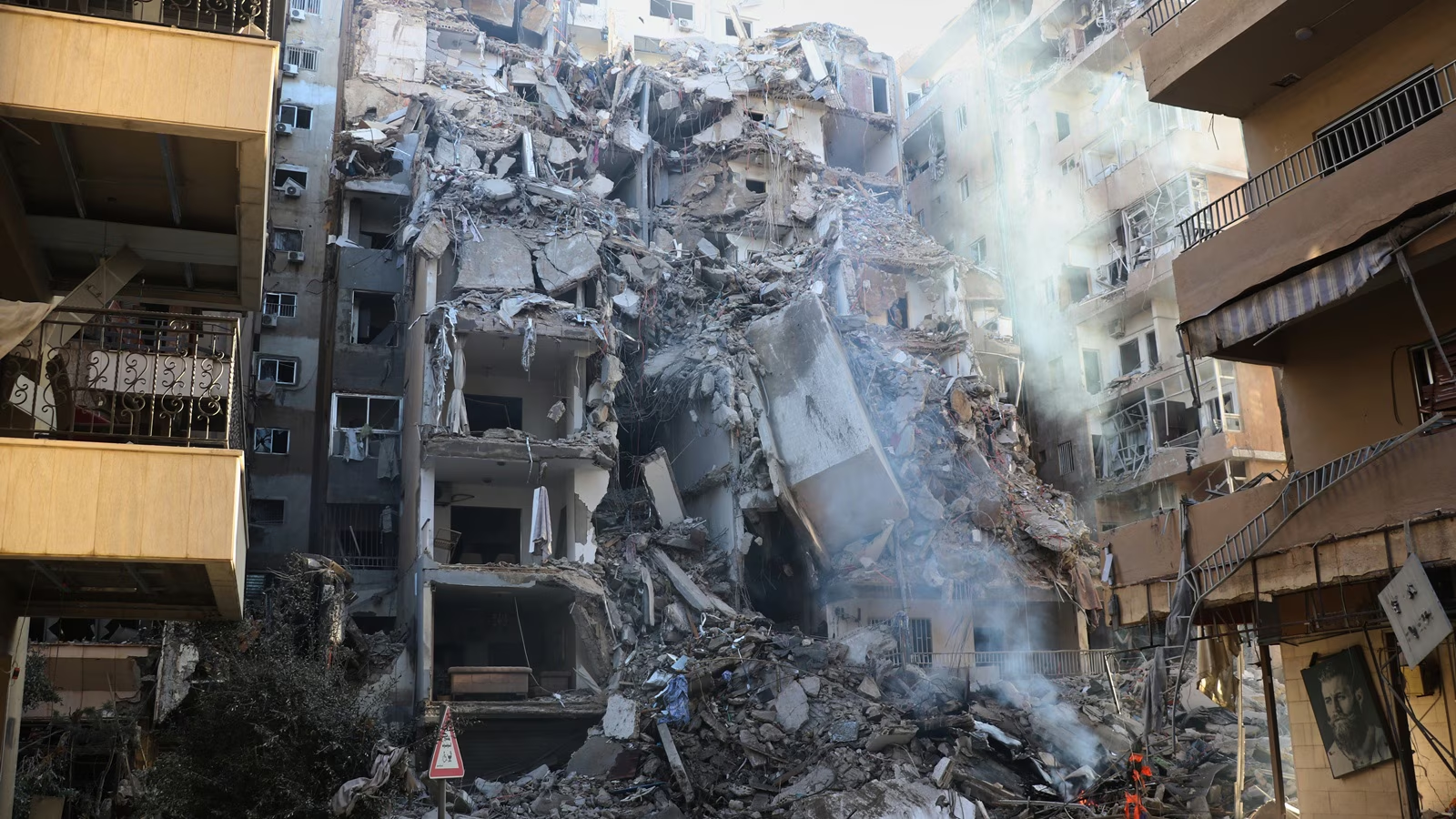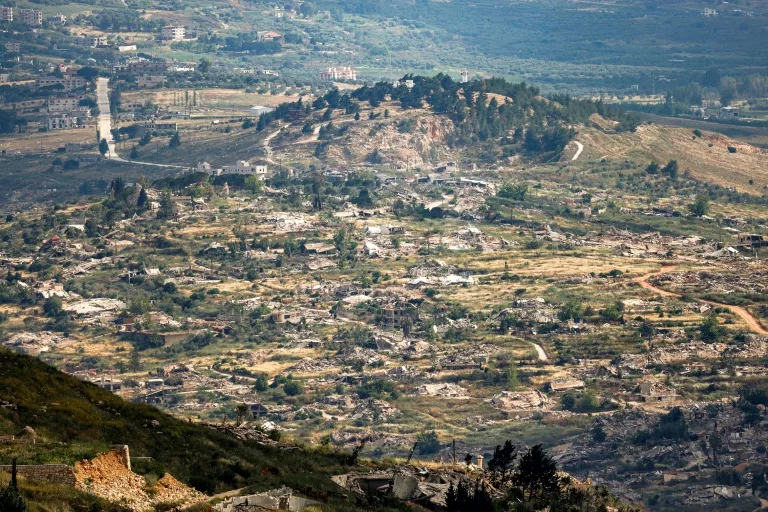
Israel conducted new airstrikes and issued evacuation orders for over a dozen locations in Lebanon on March 2, marking a significant escalation in cross-border hostilities. The Israeli military specifically issued fresh evacuation warnings for villages near Nabatieh and other areas in eastern Lebanon, urging residents to leave their homes. This development occurred as Hezbollah drew Lebanon into the broader Middle East conflict on March 2, intensifying the regional crisis. The issuance of these widespread evacuation orders shows the deepening military engagement and the increasing risk to civilian populations in southern and eastern Lebanon.
Escalation on the Ground
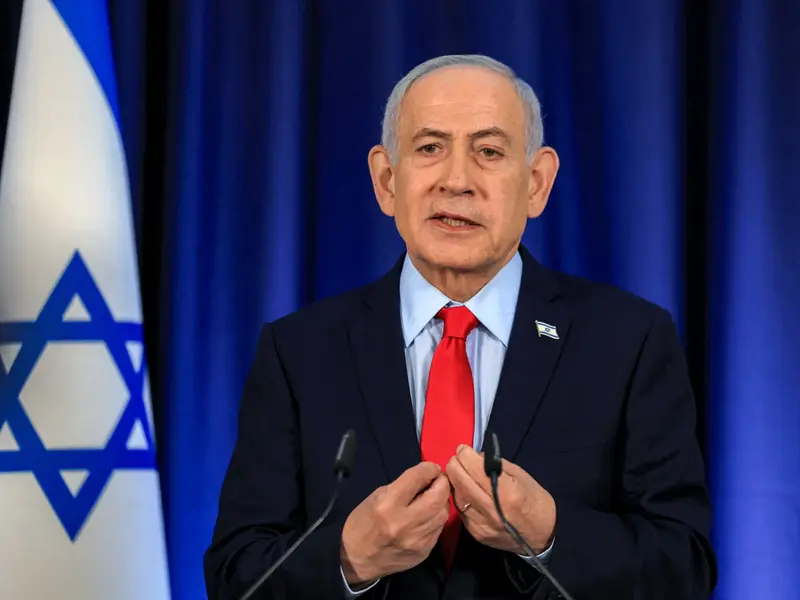
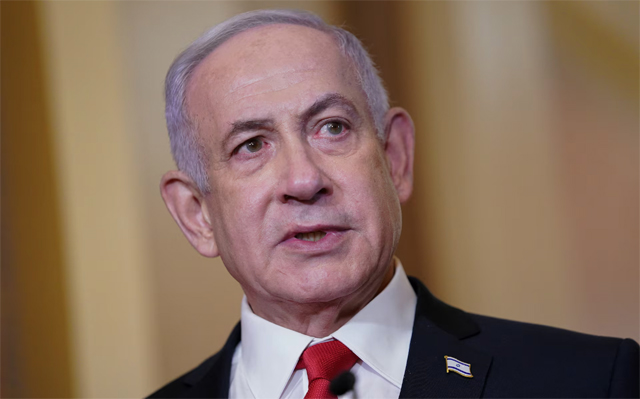
Lebanon's state-run National News Agency (NNA) reported several Israeli attacks in the south on Saturday, detailing the impact of the ongoing military operations. Israeli Prime Minister Benjamin Netanyahu stated his forces had advanced deeper into Lebanon, claiming they were "hitting Hezbollah head on." This assertion by Prime Minister Netanyahu notes Israel's determination to confront Hezbollah within Lebanese territory, indicating a potential widening of the conflict zone. In a separate incident, two Lebanese soldiers were seriously wounded by a hostile Israeli drone near the southern city of Nabatieh, according to reports, further illustrating the direct military engagements taking place.
Hezbollah announced it launched multiple attacks targeting northern Israel on Saturday, responding to Israeli actions. The group also reported clashes with Israeli soldiers near Ghandouriyeh and Debbine in southern Lebanon, indicating direct ground confrontations. The Israeli military informed AFP that more than 20 rockets and drones were launched from Lebanon on Saturday, showcasing the scale of Hezbollah's retaliatory strikes. Israeli forces had advanced beyond the Litani River, which runs approximately 30 kilometres north of the Lebanon-Israel frontier, a development that signifies a notable territorial penetration by Israeli troops into Lebanese sovereign land. This advance deep into Lebanese territory represents a significant military maneuver, pushing beyond previously observed operational boundaries.
Diplomatic Engagements
Military delegations from Israel and Lebanon held security talks in Washington on Friday, under the auspices of international mediation efforts. These discussions precede further US-brokered negotiations, which are scheduled for the following week, aiming to find a diplomatic resolution to the escalating tensions. A truce between Israel and Hezbollah officially took effect on April 17, aiming to de-escalate tensions in the region. The security talks in Washington involved representatives from both nations, focusing on ongoing cross-border incidents and potential mechanisms for maintaining stability. The upcoming US-brokered negotiations are expected to build upon these initial talks, addressing broader security concerns and diplomatic efforts to prevent further conflict. The April 17 truce marked a significant step towards reducing hostilities, though diplomatic efforts continue to be a priority between the involved parties in a bid to secure a lasting peace.
Context and Consequences
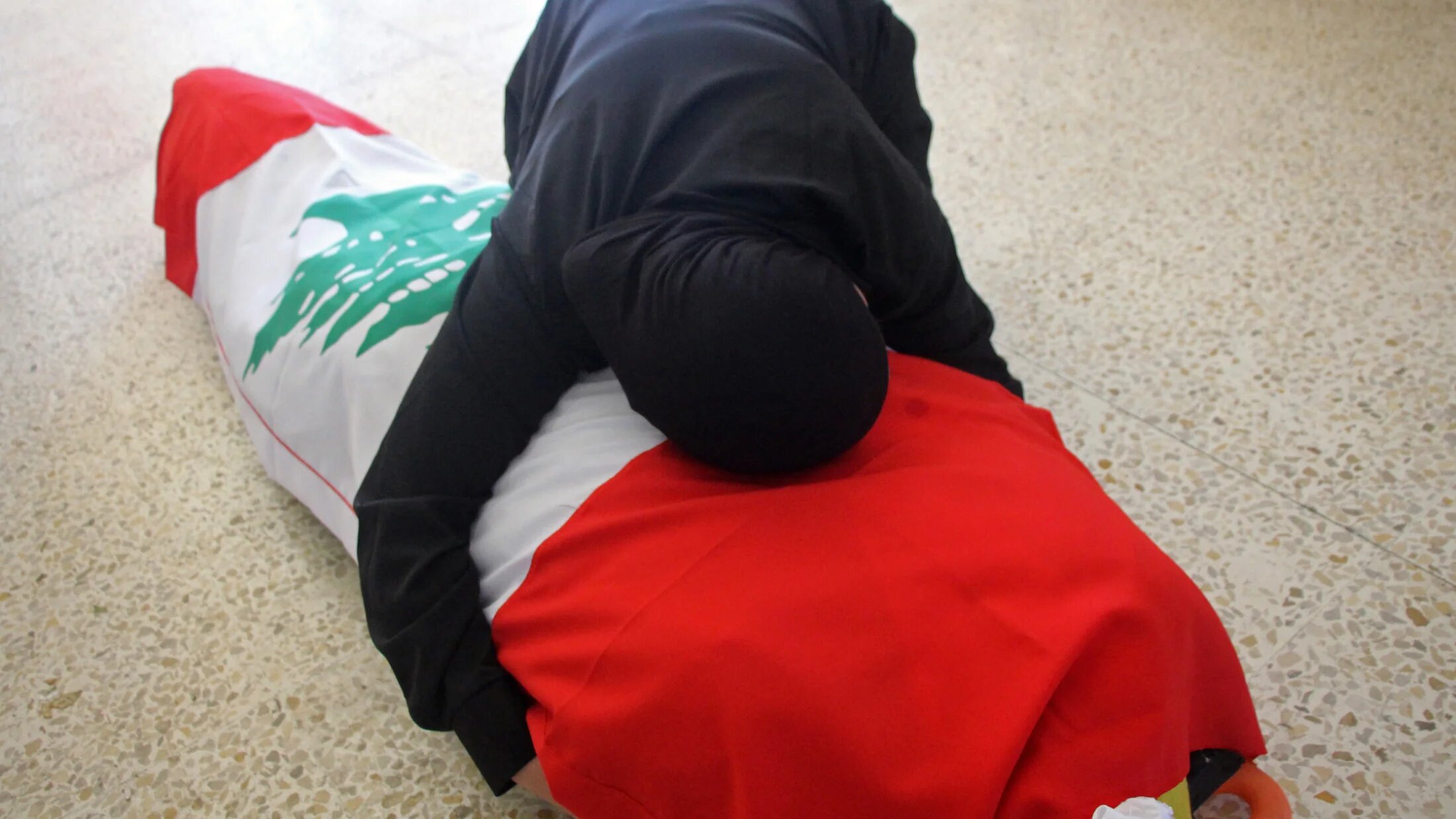
Lebanon's Prime Minister Nawaf Salam warned the country was facing a "dangerous" escalation, stating that Israel was "pursuing a scorched-earth policy and collective punishment." He added that Israel was "destroying towns and villages, and forcing their inhabitants into exile," painting a grim picture of the humanitarian impact. Salam emphasized that there could be "neither security nor stability" without "a swift and real ceasefire," which he described as "the least costly path for our country and our people." Since March 2, Israeli attacks have killed more than 3,371 people, showing the severe human toll of the conflict. Despite a truce taking effect on April 17, it has never been observed, with hostilities continuing unabated. Hezbollah stated it attacked Israel in retaliation for the death of Iran's supreme leader in US-Israeli strikes when the war erupted on February 28, providing their justification for their involvement. The continuous violence, despite diplomatic efforts and a declared truce, notes the profound challenges in de-escalating the conflict and protecting civilian lives in the region.