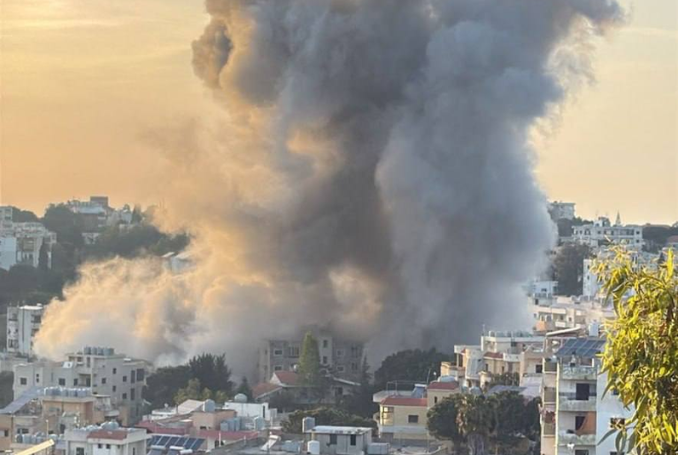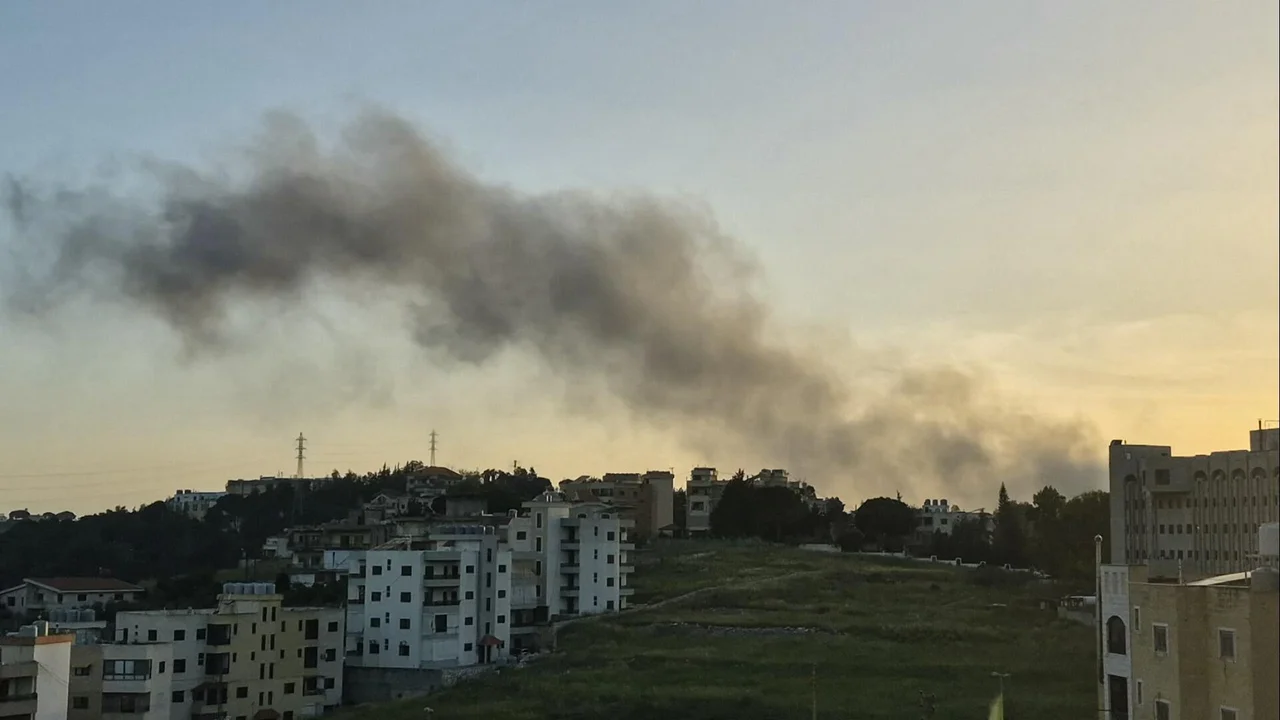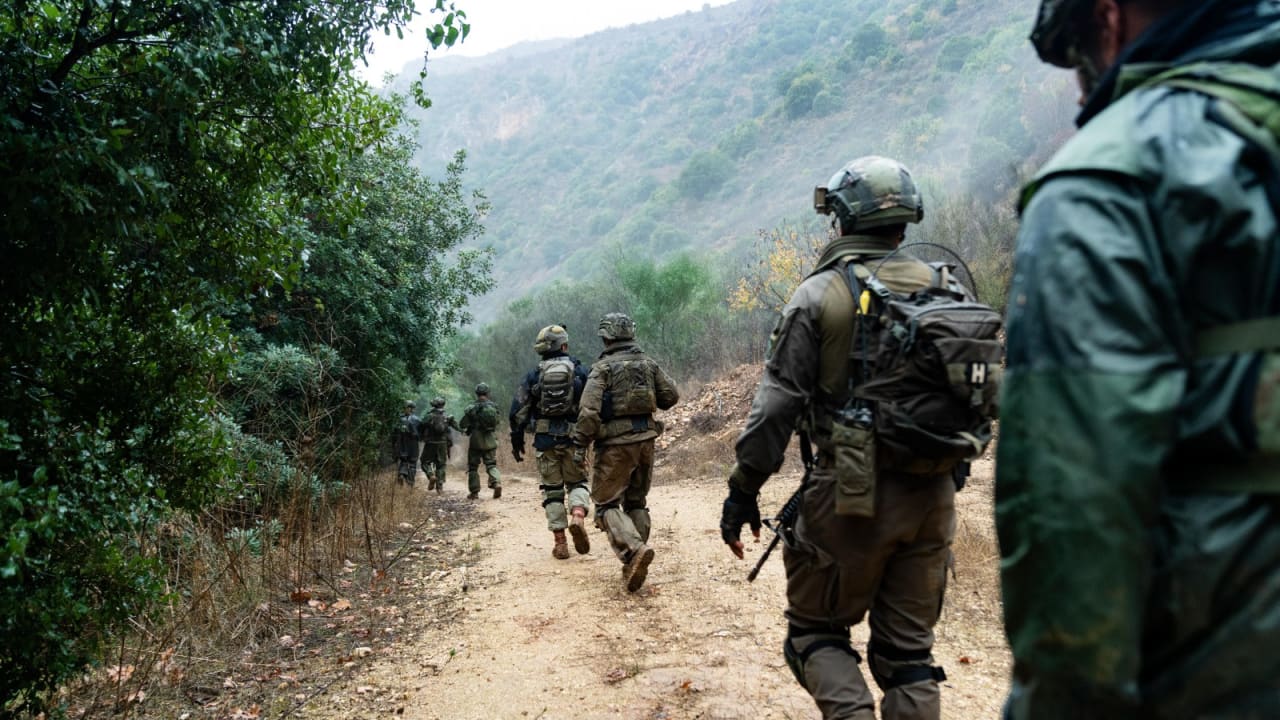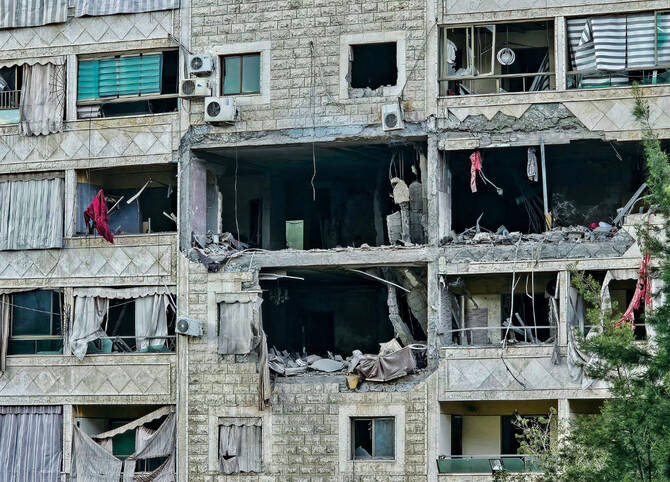
Lebanon's refugee camps have emerged as areas of relative safety for thousands displaced by two months of renewed conflict between Israel and Hezbollah in southern Lebanon. These camps have become places of relative refuge in a landscape marked by widespread destruction, a "sea of destruction" as some observers describe it, two months into the renewed conflict between Israel and Hezbollah. As of April, a committee had documented a significant displacement, with 5,391 families, totaling 22,033 individuals, seeking shelter in camps, surrounding communities, and UNRWA emergency centers across the country. This full count notes the extensive humanitarian challenge facing Lebanon amidst the ongoing hostilities.
The displaced population comprises diverse nationalities and origins, reflecting the complex demographic landscape of Lebanon and the broader region. Among those recorded were 1,299 Lebanese individuals, who have been forced from their homes by the fighting in southern Lebanon. A substantial portion of the displaced are Palestinians, with 3,101 individuals identified in this category. The conflict has displaced 410 Palestinian refugees from Syria, who had previously sought refuge in Lebanon from the Syrian civil war. Additionally, 404 Syrians, 16 stateless individuals, and 18 people of undocumented nationality were counted among those seeking refuge, showing the varied backgrounds of those impacted by the renewed conflict.
Influx and Strain on Services
Since March 2, the Lebanese-Palestinian Dialogue Committee has worked to secure minimum conditions for survival for displaced populations under an emergency response plan. This plan addresses the immediate needs of those uprooted by the conflict. Among the individuals displaced by the conflict, a significant number were children, with 7,813 minors recorded as seeking refuge. The ongoing war has profoundly impacted the economic fabric of southern Lebanon, leading to a complete freeze in commercial activity. This cessation of business has eliminated jobs in key sectors such as agriculture, construction, and tourism, exacerbating economic hardship for local populations and displaced individuals alike. The broader humanitarian situation is further exacerbated by regional impacts of the conflict, as evidenced by the transfer of the bodies of 76 Syrians killed in Israeli strikes in Lebanon to Syria in April, noting the wider human cost of the ongoing hostilities.
Lebanon's camps were already under immense pressure before the recent conflict erupted. In 2017, approximately 225,000 people resided in the 12 official camps and surrounding clusters, with 73.6 percent of this population identified as Palestinian. Conditions in these camps were already dire due to Lebanon's severe economic collapse and a significant decline in essential services provided by UNRWA, the United Nations agency responsible for Palestinian refugees. The camps had previously absorbed about 27,000 Palestinian refugees who fled from Syria during its civil war, adding to the existing strain on resources and infrastructure. The pre-existing challenges, including the economic downturn and reduced UNRWA services, meant that the camps were ill-equipped to handle such a sudden and large-scale influx, pushing their capacity to the brink.
The influx of newly displaced individuals has further strained existing resources and services within the camps. By May 5, UNRWA had registered 1,132 displaced people, comprising 328 families, at its two emergency shelters. This figure marked a substantial increase of 951 people in just one week, illustrating the rapid escalation of displacement and the urgent need for humanitarian assistance.
Camp Dynamics and Security Concerns
Palestinian factions administer the camps internally through informal arrangements that originated from the 1969 Cairo Agreement. This unique administrative structure grants the camps a degree of autonomy from Lebanese state control. Despite broader economic challenges affecting Lebanon, residents have reported an unexpected economic boom in some camps, with people from surrounding areas shopping inside Al-Bass camp near Tyre. This localized economic activity provides a stark contrast to the widespread commercial freeze observed in southern Lebanon due to the conflict. However, the conflict has directly impacted these areas, bringing the hostilities close to civilian populations. The vicinity around Ain Al-Hilweh camp was subjected to direct Israeli airstrikes in March, which resulted in casualties and structural damage, demonstrating the vulnerability of these densely populated areas. The perimeter of Burj Al-Barajneh camp, located in Beirut’s southern suburbs, also experienced heavy raids, further noting the widespread nature of the conflict's impact on and around refugee settlements. Further north, Beddawi camp was targeted, and casualties were reported there as well, indicating that no region with significant refugee populations is immune from the conflict's reach.
Security arrangements within the camps have been a complex and contentious issue for decades. The handover of Palestinian weapons to the Lebanese state recently completed its fifth phase late last year, representing a step towards greater state control over arms within these areas. However, not all factions have participated in this disarmament process. Hamas, Islamic Jihad, and their allies have declined to participate, linking their refusal to Hezbollah’s disarmament. This stance shows the intricate web of political and security considerations that govern the camps and their relationship with both Lebanese authorities and regional actors. Signs of the conflict's toll on camp residents have emerged, with obituaries appearing on social media on May 7 for Tareq Yousef and Louay Nimr. Both individuals were from Burj Al-Shamali camp near Tyre and were reportedly members of Islamic Jihad, indicating direct involvement of camp residents in the ongoing hostilities.
Palestinian sources indicate that Palestinian and Syrian fighters are being deployed alongside Hezbollah on the ground, suggesting a broader mobilization of forces beyond traditional Lebanese actors. Additionally, security cells are reportedly operating within the camps to discreetly recruit fighters, which adds another layer of complexity to the security situation and raises concerns about the potential for further escalation. The situation is further complicated by ongoing competition for political control within the camps and worsening social conditions, which collectively present a cause for concern for both residents and authorities. These factors contribute to a volatile environment amidst the broader regional conflict, making the camps potential flashpoints for further unrest.
Broader Conflict and Regional Impact
The broader conflict between Israel and Hezbollah continues to rage, directly impacting the lives of thousands. Israel issued new evacuation orders for nine villages in southern Lebanon on May 9, resuming its bombing campaign despite a US-mediated ceasefire that had been in place since mid-April. This resumption of hostilities signals a renewed intensity in the conflict. On the same day, the Israeli military reported targeting Hezbollah infrastructure, stating it struck over 85 Hezbollah targets in southern Lebanon within a 24-hour period. These strikes show the extensive nature of the military operations being conducted. Lebanon’s Ministry of Public Health has stated that the vast majority of those killed in Israeli attacks were civilians, noting the significant human cost of the conflict on non-combatants. Hezbollah legislator Ibrahim Al-Moussawi acknowledged the extensive losses and damage incurred in southern Lebanon due to the ongoing conflict, reinforcing the widespread devastation reported by Lebanese authorities and humanitarian organizations. The continued escalation and the targeting of infrastructure and civilian areas show the urgent need for a lasting resolution to prevent further loss of life and displacement.