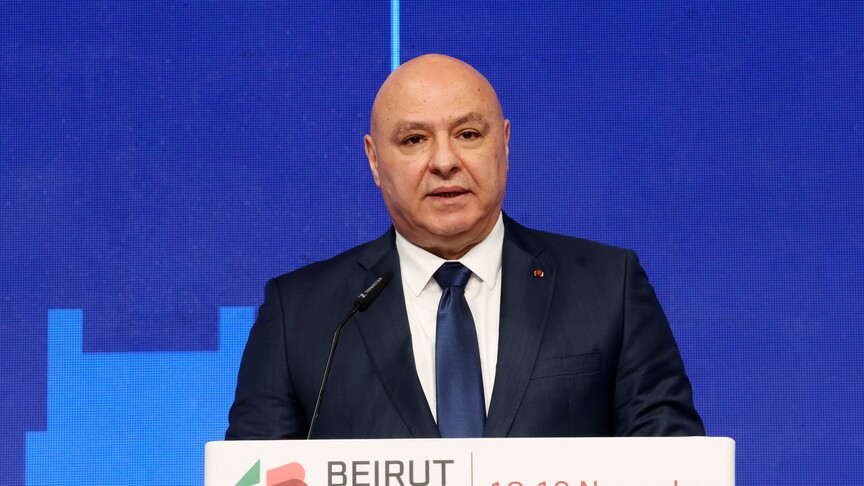
Lebanese President Joseph Aoun stated on Monday that a meeting with Israeli Prime Minister Benjamin Netanyahu is currently unsuitable due to ongoing Israeli actions. President Aoun emphasized the necessity of halting Israeli attacks and securing a full security agreement before considering any such high-level discussions between the two nations. This firm stance shows the deep-seated concerns within Lebanon regarding the persistent military activities.
"The timing is not right now for a meeting with the Israeli Prime Minister, as we must first reach a security agreement and stop the Israeli attacks on us before we raise the issue of a meeting between us," President Aoun said. He noted that Israel continues to violate the ceasefire daily through airstrikes and the demolition of homes in southern Lebanon, actions which he described as destabilizing and counterproductive to any peace efforts. The President's remarks were made as part of a broader statement addressing the nation's security posture and diplomatic priorities.
Conditions for Talks
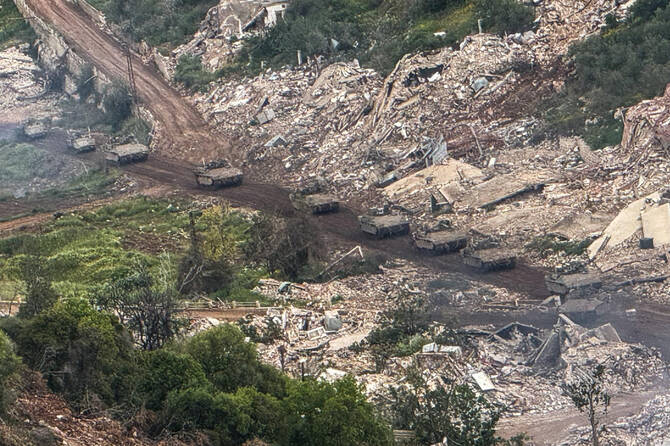
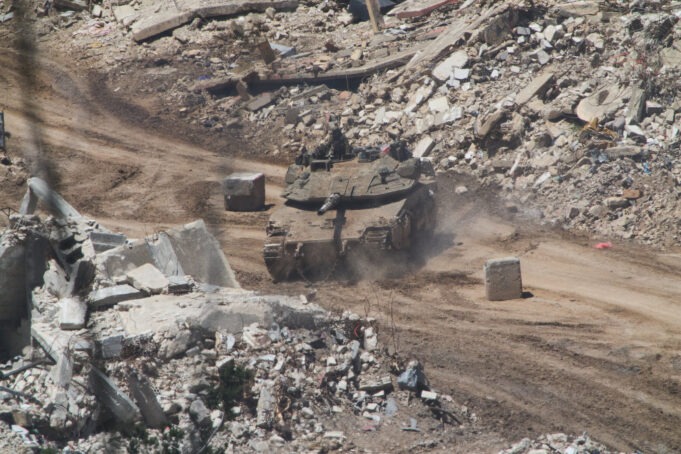
Since March 2, Israel has conducted a deadly offensive in Lebanon, marking a significant escalation in hostilities. This ongoing military action directly impacts the possibility of any high-level diplomatic engagement between the two nations, making direct talks challenging. Lebanese President Joseph Aoun has consistently linked the cessation of Israeli attacks and the establishment of a strong security agreement as indispensable preconditions for any potential meeting with Israeli Prime Minister Benjamin Netanyahu. The current situation, marked by continuous Israeli military operations and daily violations of the ceasefire, therefore renders a direct dialogue between the leaders unfeasible at this time. President Aoun's position reflects a national consensus that security guarantees must precede political normalization or high-level diplomatic exchanges.
Humanitarian Toll of Offensive
The ongoing offensive, which commenced on March 2, has resulted in a significant and alarming humanitarian toll. Reports indicate that nearly 2,700 people have been killed as a direct consequence of the military actions. The conflict has also wounded 8,264 individuals across the affected areas, many of whom require extensive medical care and support. The relentless military operations have led to the displacement of more than 1.6 million people from their homes. This displaced population represents approximately one-fifth of Lebanon's total population, showing the widespread and devastating impact of the offensive on the country's residents and critical infrastructure. The sheer scale of displacement points to severe disruptions for a substantial portion of the Lebanese population, creating an urgent humanitarian crisis that demands international attention and assistance. Homes have been destroyed, livelihoods shattered, and communities uprooted, exacerbating existing economic and social challenges within Lebanon.
Path to Peace Negotiations
Despite the ongoing hostilities, there have been attempts to lay the groundwork for potential peace negotiations. Lebanon and Israel conducted two rounds of talks in Washington, specifically held on April 14 and April 23, in preparation for broader peace discussions. These preliminary talks aimed to explore avenues for de-escalation and future diplomatic engagement. Following these discussions, a 10-day ceasefire between the two nations subsequently began on April 17, aiming to de-escalate tensions and provide a key window for diplomatic progress. The initial ceasefire agreement was later extended, demonstrating a fragile but ongoing commitment to maintaining a period of reduced hostilities. It remained in effect until May 17, offering a month-long period of relative calm following the initial talks in Washington. The extension indicated an ongoing effort to maintain a more stable environment for potential future discussions, despite the broader context of continuing military actions and the President's current reservations about direct high-level meetings.
Lebanon's Stance on Negotiations
Lebanon and Israel have been officially at war since 1948, a historical context that profoundly underpins the current complexities of potential diplomatic engagements. This longstanding state of conflict, spanning over seven decades, deeply informs Lebanon's preconditions for any high-level meetings, particularly regarding ongoing Israeli military actions and the necessity of a full security agreement. The historical animosity and repeated conflicts have created a climate of mistrust, making any diplomatic breakthrough contingent on tangible security guarantees and a cessation of hostilities. President Aoun's current refusal to meet with Prime Minister Netanyahu directly reflects this historical backdrop and the immediate impact of the ongoing offensive, emphasizing that genuine peace can only be built on a foundation of security and respect for sovereignty.