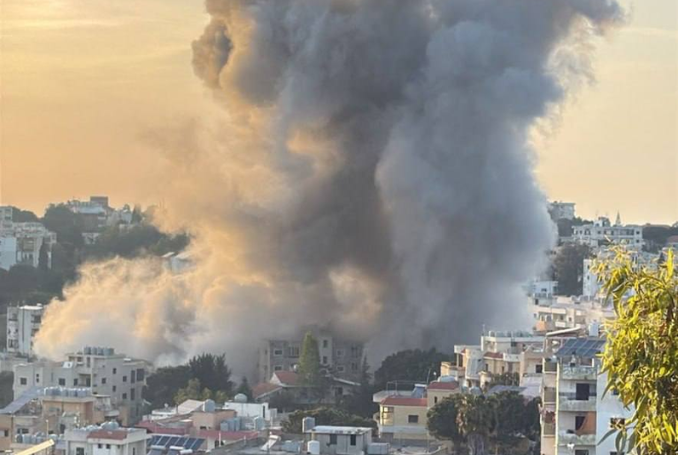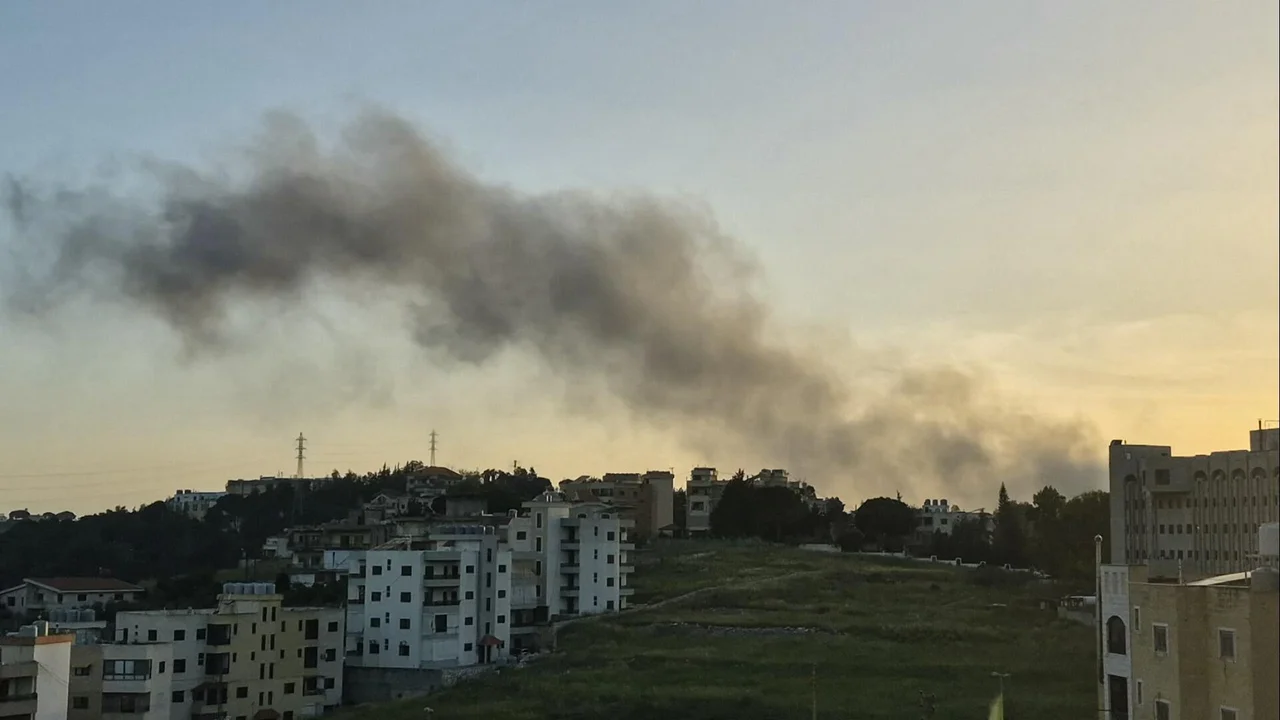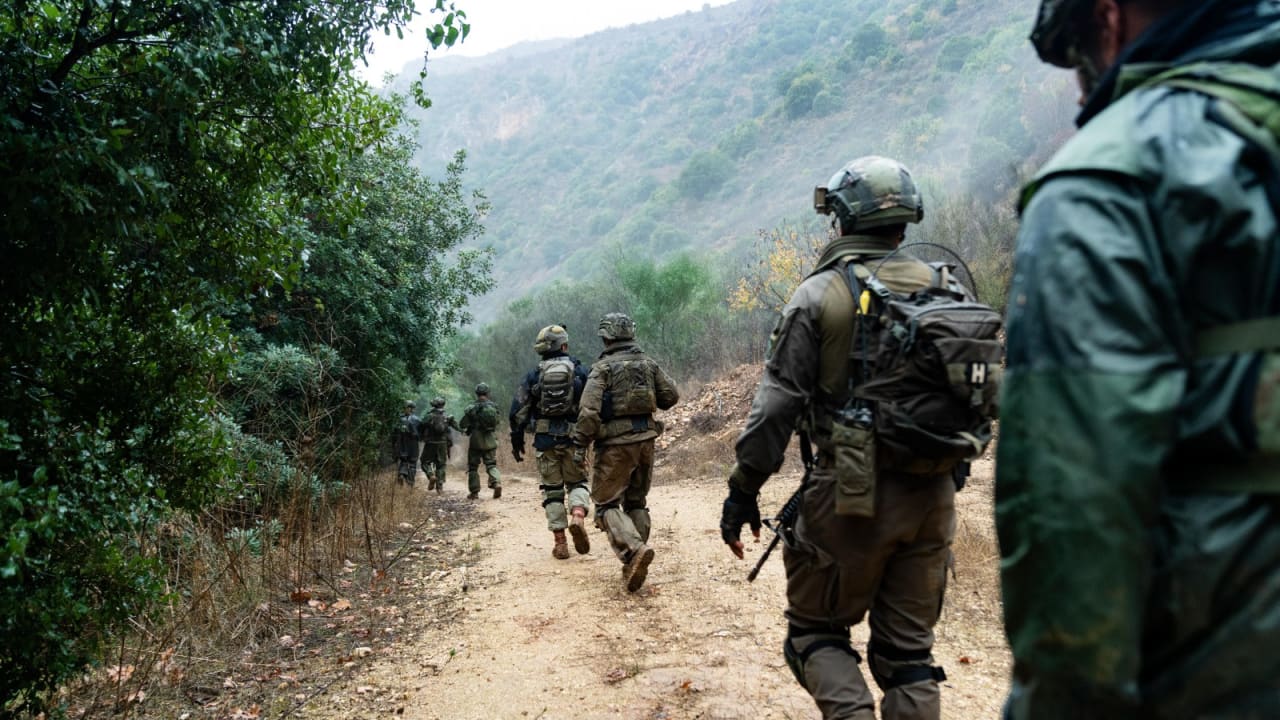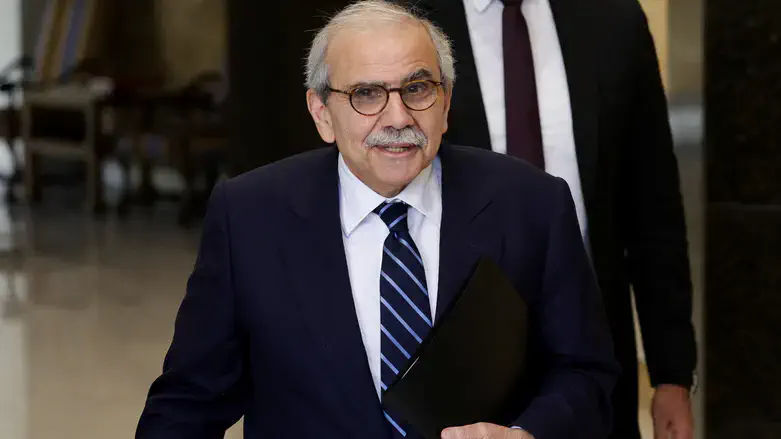
Lebanese Prime Minister Nawaf Salam stated on Sunday that Lebanon is open to a formal peace agreement with Israel, contingent on specific conditions being met. Diplomatic efforts are presently focused on establishing a concrete framework for the removal of Israeli forces from Lebanese territory, a key demand from Beirut. Salam emphasized that Lebanon "did not choose the war, but was dragged into the confrontation between Iran and the United States." He further noted that "The majority of Lebanese support negotiations to stop the war," and called for "a clear agenda for Israeli withdrawal" as a prerequisite for any lasting peace.
Path to Peace Talks
A fragile ceasefire took effect last month after a period of intense cross-border violence that had escalated tensions significantly. This temporary halt in hostilities has opened a window for diplomatic engagement. Another round of talks between Israel and Lebanon is scheduled to be hosted by the United States in Washington this coming Thursday, signaling continued international efforts to de-escalate the situation. The previous round of talks, held on April 23, was personally led by President Donald Trump, showing the high-level attention the issue is receiving from the US administration. Trump also expressed his hope to host a meeting between Israeli Prime Minister Benjamin Netanyahu and Lebanese President Joseph Aoun in Washington within the next few weeks, aiming for a direct engagement at the highest political level. However, Lebanese President Joseph Aoun has made it clear that a high-level summit with Netanyahu is currently out of the question. President Aoun stressed that the cessation of hostilities must be the primary focus before any direct political engagement or such a summit can even be considered, indicating a cautious approach from Beirut.
Lebanon's Core Demands
Prime Minister Nawaf Salam stressed that his government's immediate priority centers on the cessation of active hostilities and a definitive conclusion to the ongoing conflict. This foundational demand underpins any progress towards a lasting peace, according to Salam, who emphasized that ending the violence is critical. He articulated the necessity for these immediate steps to pave the way for broader diplomatic engagement, suggesting that a stable environment is key for productive negotiations.
Current negotiations specifically include Lebanon’s demand for "a clear agenda for Israeli withdrawal," Salam stated. This refers to a structured plan outlining the complete removal of Israeli forces from Lebanese territory, a condition seen as critical for Lebanon's sovereignty and stability. The Prime Minister's remarks show the importance of this element in any potential peace agreement framework, noting it as a non-negotiable point for Beirut. This agenda would detail timelines, troop movements, and verification mechanisms to ensure a full and verifiable withdrawal.
Salam also asserted that "The majority of Lebanese support negotiations to stop the war." This statement notes a perceived internal consensus within Lebanon regarding the pursuit of peace talks, suggesting public backing for diplomatic efforts despite the complexities of the regional situation. He indicated that this widespread support provides a mandate for his government's approach to the negotiations, giving them a strong domestic foundation. This public sentiment, according to Salam, demonstrates a collective desire within the country to move beyond the current state of conflict and embrace a path toward stability.
US Role and Obstacles
A State Department official stated that the United States believes direct engagement between Lebanon and Israel is the most effective method to quickly achieve a lasting peace and security agreement. The official quoted President Donald Trump, saying, "President Trump has been clear that direct engagement between the two countries is the best way to swiftly advance a lasting peace and security agreement." This perspective from Washington emphasizes the importance of bilateral discussions in resolving the long-standing conflict. The State Department official added that "Diplomacy is ongoing, and we will not comment on our ongoing discussions with the two countries," indicating the sensitive nature of the negotiations.
President Donald Trump has expressed optimism that a ceasefire between Israel and Lebanon could be reached within the current year, reflecting a hopeful outlook from the US administration regarding the potential for a breakthrough. However, the State Department official noted that challenges remain, particularly from militant groups. "Hezbollah is still trying to derail negotiations with attacks on Israel and threats inside of Lebanon," the official said, indicating that such actions complicate diplomatic efforts to secure an agreement. These persistent threats from non-state actors pose significant hurdles to the peace process, often leading to renewed cycles of violence and distrust. The official's remarks highlight the complex security environment that negotiators must navigate.
Broader Regional Context
Lebanese Prime Minister Nawaf Salam has suggested that Lebanon has been used as a battlefield for foreign interests, stating that his country "did not choose the war, but was dragged into the confrontation between Iran and the United States." This perspective frames the conflict as part of a larger regional dynamic, where Lebanon's territory and people become proxies in broader geopolitical struggles. Salam's statement implies that external forces have exacerbated internal tensions and contributed to the ongoing instability, making a purely bilateral resolution more challenging.
A State Department official indicated that challenges to negotiations persist from militant groups, further elaborating on the external influences on the conflict. The official stated that "Hezbollah is still trying to derail negotiations with attacks on Israel and threats inside of Lebanon," suggesting that such actions complicate diplomatic efforts to secure an agreement between the two nations. This shows the difficulty in achieving a full peace when powerful non-state actors with their own agendas can disrupt the diplomatic process. The continued activity of such groups remains a significant point of concern for mediators and the international community alike, as it directly impacts the feasibility of implementing any peace deal.