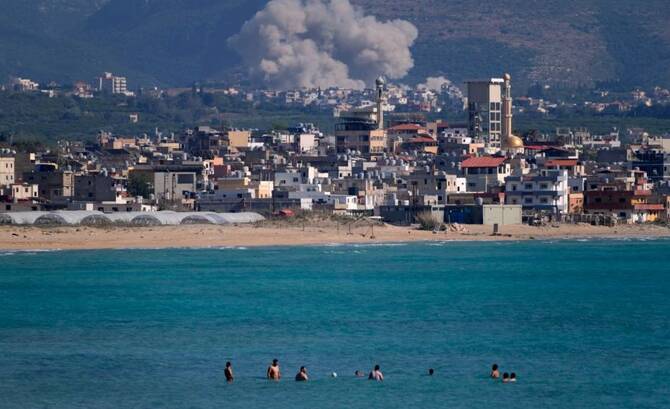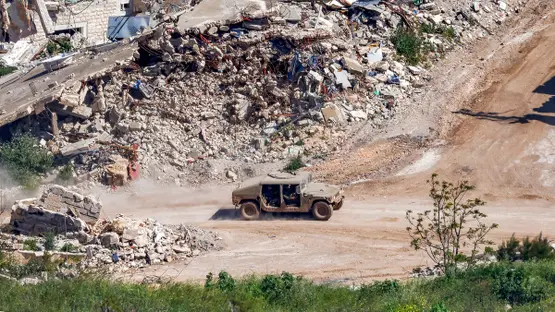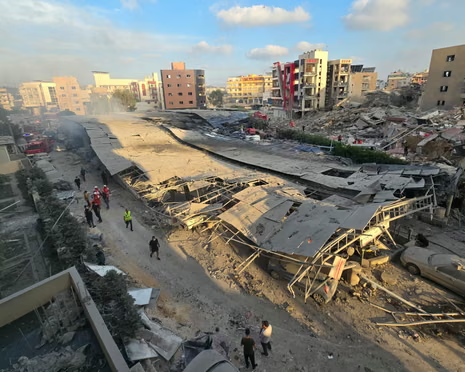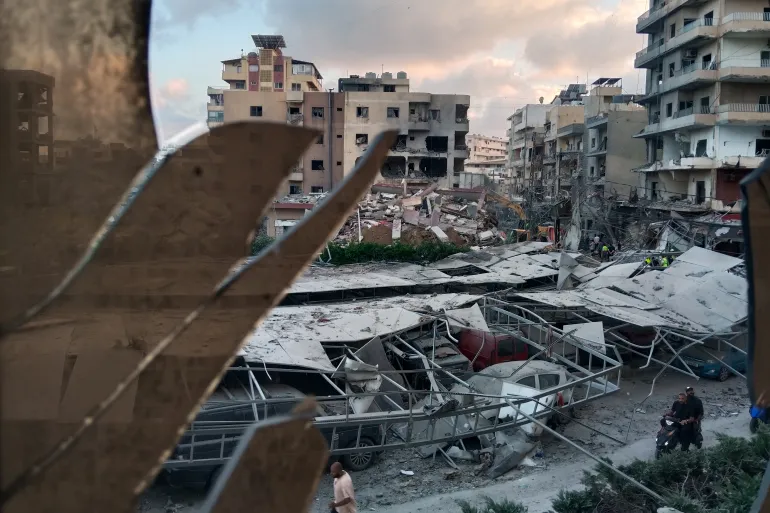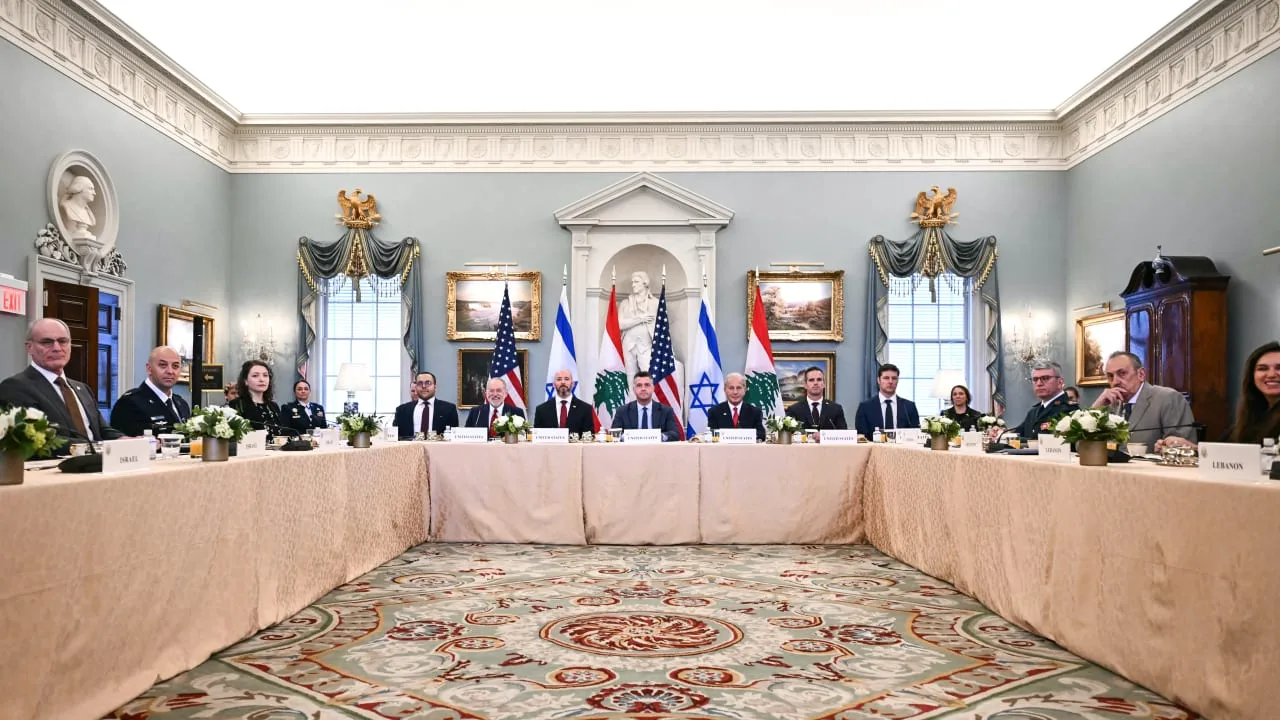
Delegations from Lebanon and Israel met at the US State Department in Washington, DC, on Tuesday, June 2, 2026, to resume negotiations for a scheduled two-day period. This diplomatic effort occurred amid claims by senior members of the Israeli delegation that Hezbollah had not ceased hostilities. According to these Israeli officials, Hezbollah failed to honor a commitment made to US President Donald Trump on Monday, June 1, 2026, to stop fighting. Senior members of the Israeli delegation explicitly stated that Hezbollah did not halt fighting, despite their promise to US President Donald Trump. This alleged failure to uphold the commitment made on June 1, 2026, cast a shadow over the initial stages of the renewed talks. Members of the Israeli delegation further stated that Hezbollah publicly rejected the proposal for a ceasefire in southern Lebanon in exchange for a ceasefire in northern Israel. This rejection specifically concerned the equation of a ceasefire in southern Lebanon being contingent on a corresponding cessation of hostilities in northern Israel.
US Diplomatic Maneuvers
The United States is reportedly developing a plan for US forces to train their Lebanese counterparts in Beirut to address Hezbollah's influence, KAN News reported on Tuesday, June 2, 2026. This initiative aims to bolster the capabilities of the legitimate Lebanese security forces. The plan involves US forces directly training their Lebanese counterparts within Beirut, focusing on strategies to counter and diminish Hezbollah's operational capacity. US Secretary of State Marco Rubio affirmed the American objective as "demilitarizing and defanging [Hezbollah], while at the same time strengthening the legitimate government of Lebanon." Rubio stated the US aims to keep the Lebanon-Israeli talks distinct from broader regional issues, despite his assessment that Iran desires to "mix it all together." He emphasized that the US approach focuses on bolstering the legitimate Lebanese government's capacity to counter Hezbollah. Secretary Rubio also noted that while the US endeavors to keep the Lebanon-Israeli discussions separate from wider Iranian influence, Iran actively seeks to intertwine these issues.
Regional Dynamics and Concerns
The negotiations between Lebanon and Israel took place a day after Prime Minister Benjamin Netanyahu canceled a planned strike on Beirut, following an appeal from US President Donald Trump. This cancellation came after Iranian officials had warned that any Israeli military action against Lebanon would lead to a halt in communications between Iran and the United States. The potential for such a halt showed the delicate regional balance and the interconnectedness of various geopolitical actors. US Secretary of State Marco Rubio stated that Iran was attempting to interfere with the Lebanon-Israel talks. According to Rubio, Iran's objective was "so that if an arrangement is reached at some point in the future, they can claim credit for having forced it through leverage." This alleged Iranian interference, as outlined by Secretary Rubio, suggests a strategic attempt to influence the outcome of the negotiations for its own political gain. He reiterated the American goal of "demilitarizing and defanging [Hezbollah], while at the same time strengthening the legitimate government of Lebanon."
US Strategy for Hezbollah
US Secretary of State Marco Rubio reaffirmed that the United States continues to support a policy aimed at "demilitarizing and defanging [Hezbollah], while at the same time strengthening the legitimate government of Lebanon." Rubio emphasized this objective as a cornerstone of US engagement in the region. The US strategy focuses on bolstering the capacity of the legitimate Lebanese government to counter Hezbollah's influence within the country. This approach seeks to diminish Hezbollah's military capabilities and political power, thereby reducing its destabilizing impact. Rubio’s statement shows the consistent American goal of empowering state institutions in Lebanon to exert authority across its territory. The US aims to achieve this while simultaneously addressing the presence and activities of Hezbollah, which Washington views as a significant threat to regional stability and Lebanese sovereignty. The ongoing diplomatic efforts and strategic initiatives reflect a multifaceted approach by the United States to manage the complex dynamics in the Levant.