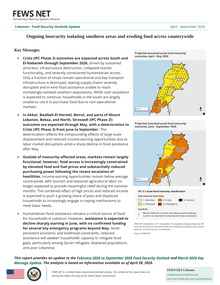
Lebanon's South and El-Nabatieh regions are projected to experience Crisis (IPC Phase 3) food insecurity outcomes through September 2026, according to analysis by the Famine Early Warning System Network (FEWS NET). This assessment indicates that Crisis (IPC Phase 3) outcomes are expected across the South and El-Nabatieh regions through September 2026, with the situation anticipated to deteriorate further. The assessment indicates these regions are expected to deteriorate to Crisis (IPC Phase 3) from June to September 2026.
Southern Isolation and Market Collapse
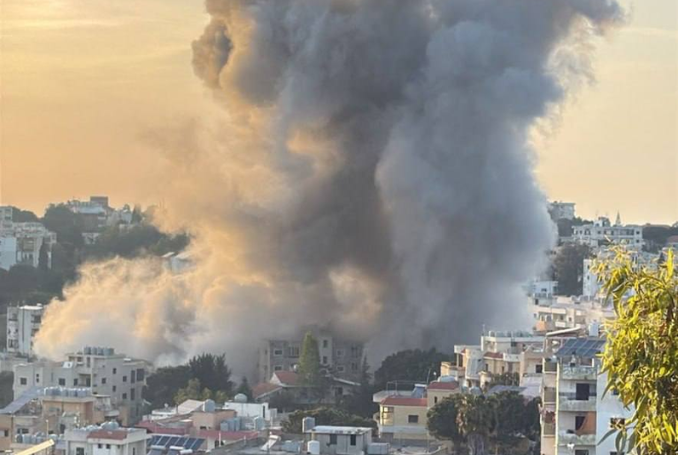
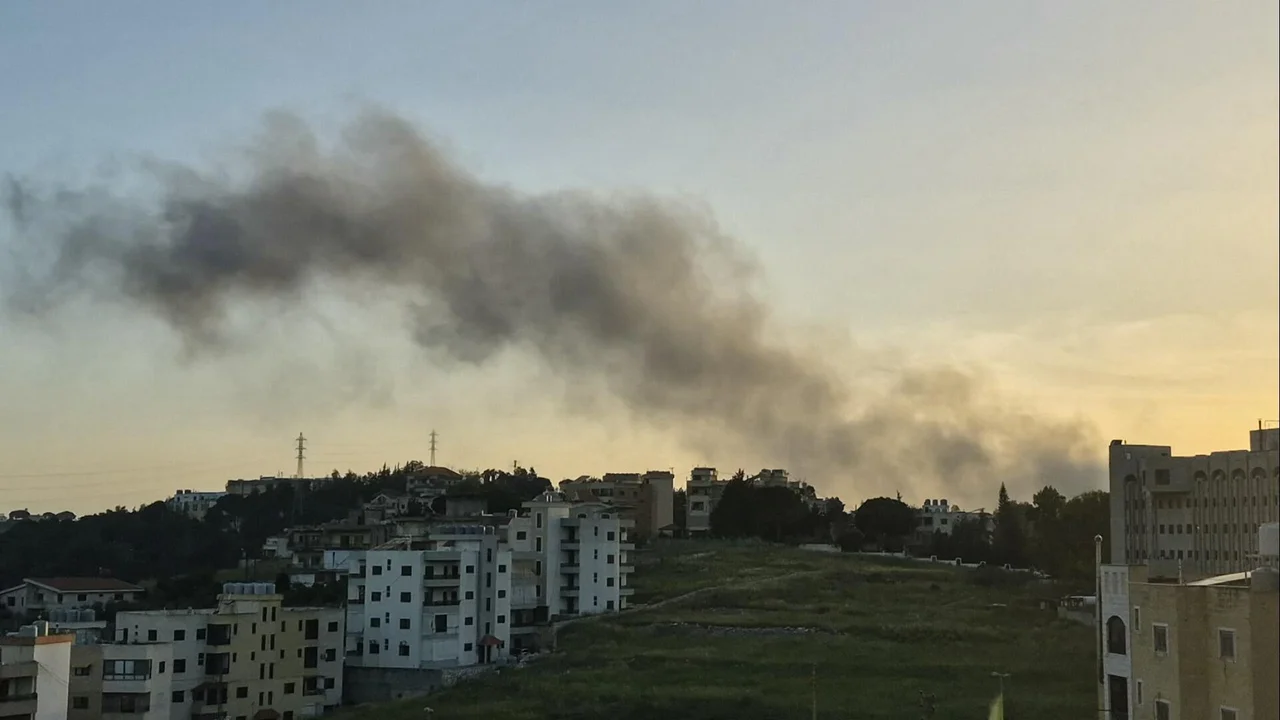
Sustained airstrikes, destruction of infrastructure, and collapsed market functionality are driving Crisis (IPC Phase 3) outcomes in Lebanon's South and El-Nabatieh regions. These factors, combined with severely constrained humanitarian access, are the primary drivers of the escalating food insecurity. Humanitarian access is severely constrained in these areas, making it difficult to deliver essential aid. Only a fraction of shops remain operational in the South and El-Nabatieh, significantly impacting local economies and residents' ability to procure food. Key transport infrastructure is destroyed, severely disrupting supply chains to these southern areas. This destruction prevents in-kind food assistance from reaching increasingly isolated southern populations, exacerbating their vulnerability. Households in the South are largely unable to use cash assistance to purchase food due to the non-operational markets, rendering this form of aid ineffective in these specific areas. The combined effect of these challenges means that residents in these southern regions face immense difficulties in accessing adequate food supplies.
Nationwide Food Access Deterioration
Stressed! (IPC Phase 2!) food insecurity outcomes are anticipated in Akkar, Baalbek-El Hermel, Beirut, and parts of Mount Lebanon, Bekaa, and North through May 2026. Food access across these regions is increasingly constrained by elevated food and fuel prices. Households are experiencing substantially reduced purchasing power following the recent escalation of hostilities, making basic necessities less affordable. This reduction in purchasing power significantly impacts the ability of families to buy sufficient food. Humanitarian food assistance remains a critical source of food for households throughout Lebanon, providing a vital lifeline for many. Without this assistance, the food security situation in these areas would likely be even more severe, noting its importance amidst the ongoing crisis.
Funding Gaps and Aid Reduction
The deteriorating food security situation reflects the compounding effects of large-scale displacement and reduced income-earning opportunities due to labor market disruptions. This occurs amid a sharp decline in food assistance after May 2026. Humanitarian assistance is expected to decline sharply starting in June 2026, exacerbating existing challenges for vulnerable populations. Crucially, there is no confirmed funding for several key emergency programs beyond May 2026. This lack of secured funding raises concerns about the sustainability of aid efforts as the country continues to grapple with widespread food insecurity. The anticipated reduction in support will likely place further strain on already vulnerable populations, who rely heavily on humanitarian aid for their basic needs to survive. This funding gap threatens to deepen the crisis for millions.
Broader Economic and Social Impact
Income-earning opportunities remain below average countrywide, with tourism and seasonal agricultural labor not expected to provide meaningful relief during the summer months. This means that traditional seasonal employment, which many rely on, will not offer the necessary financial stability. Reduced assistance will weaken the capacity of households, including Syrian refugees, displaced populations, and poor Lebanese, to mitigate food gaps. This weakening capacity is particularly concerning for those already on the brink of severe food insecurity. Outside of insecurity-affected areas, markets remain largely functional, but their effectiveness is undermined by the widespread economic challenges and reduced purchasing power affecting the population. The overall economic downturn continues to impact the ability of all residents to secure their food needs.