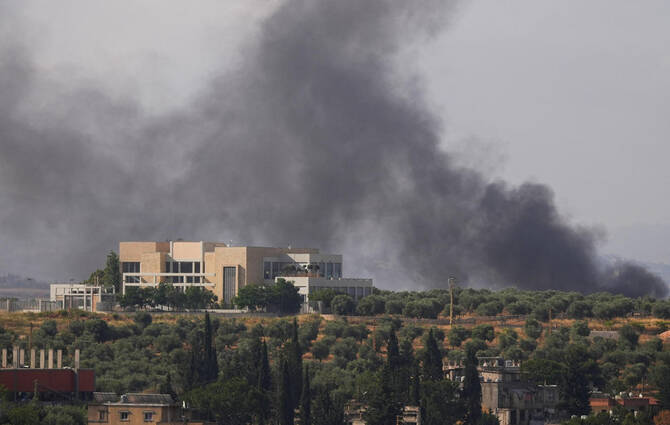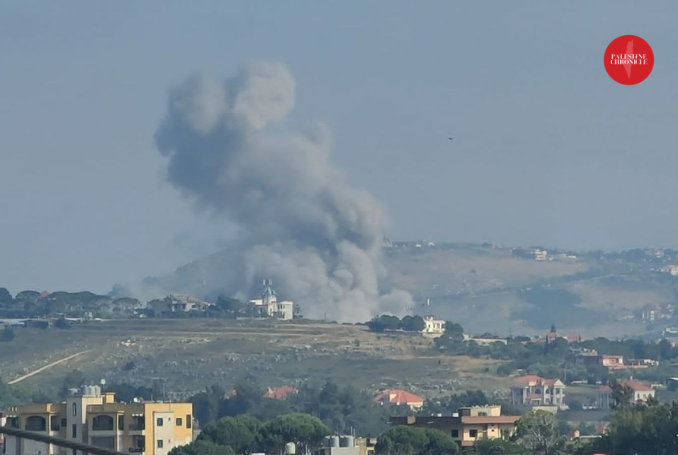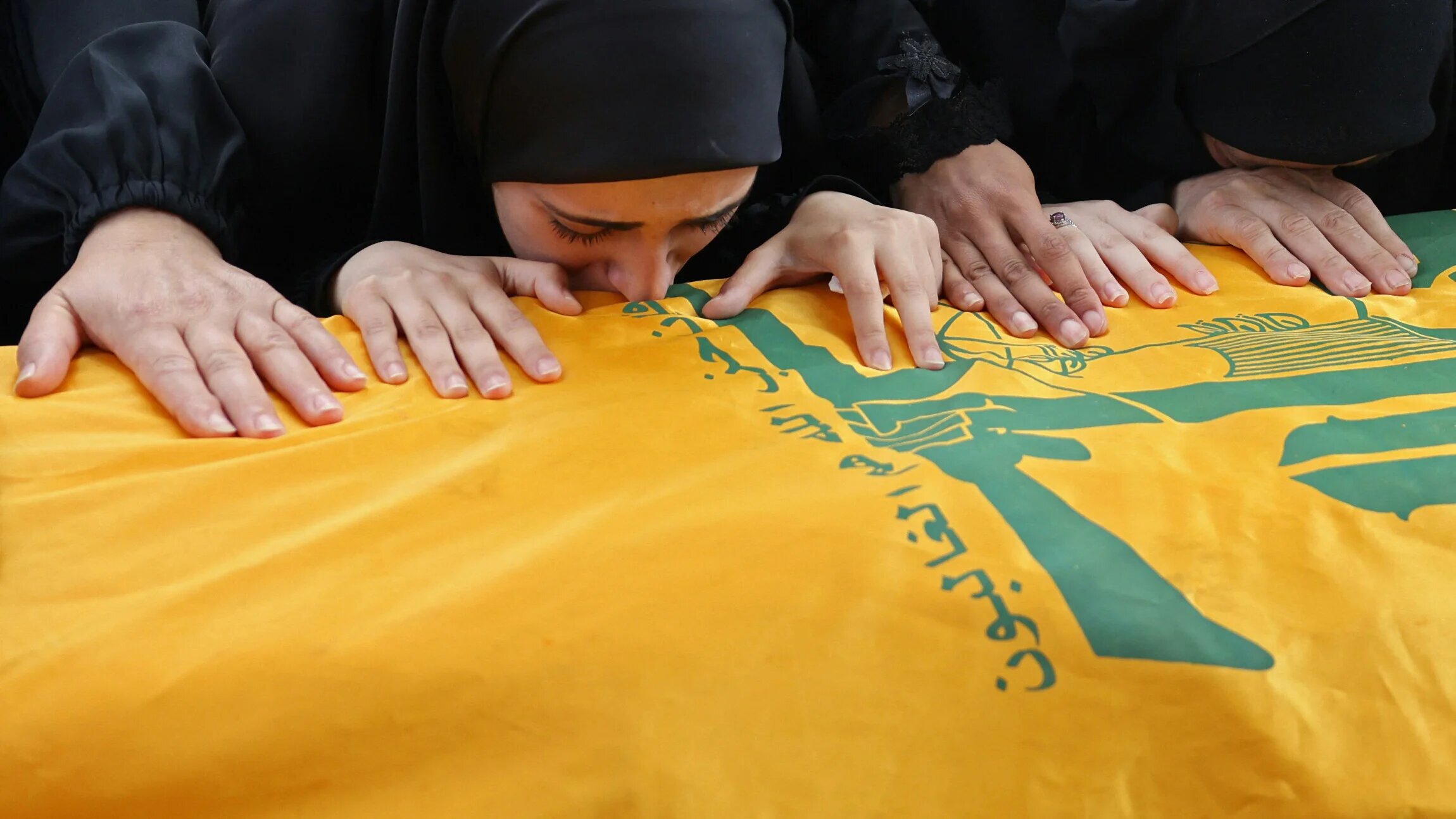
The death toll in Lebanon has reached 3,756 amidst ongoing conflict, according to a report published at 16:05 BST on 13 June 2026. This updated figure reflects the continuing casualties from the escalating violence in the country, painting a grim picture of the humanitarian cost. The sustained hostilities have led to a significant increase in both fatalities and injuries, raising concerns among international observers and aid organizations.
Grim Toll Revealed
Israel has killed over 3,756 people and wounded 11,632 others in Lebanon since early March, according to recent figures. This updated count reflects the casualties sustained during the ongoing conflict, which has shown no signs of abating. The significant increase in fatalities and injuries shows the severe impact of the hostilities on the civilian population, who often bear the brunt of such intense military actions. Reports indicate a consistent pattern of violence, contributing to the rising death toll and exacerbating an already fragile situation. The figures compiled highlight the extensive human cost of the clashes in the region, illustrating the devastating consequences for communities caught in the crossfire. The data covers the period from the beginning of March and documents the continuous escalation of violence, providing a chronological understanding of the conflict's intensity. The number of wounded individuals also represents a substantial burden on Lebanon's healthcare infrastructure, which is already strained by existing economic challenges and resource limitations. Medical facilities are struggling to cope with the influx of patients requiring urgent care, further complicating humanitarian efforts. The cumulative effect of these casualties has created a dire humanitarian situation, necessitating urgent international attention and support to alleviate suffering.
Official Statistics Published
The health ministry published statistics indicating the rising casualties, providing a key official record of the conflict's impact. These figures provide an official accounting of the human cost of the conflict in Lebanon, serving as a primary source for understanding the scale of the crisis. The data compiled by the ministry includes both fatalities and injuries, offering a full overview of the situation on the ground. This detailed reporting is vital for tracking the conflict's progression and assessing its human toll accurately. The publication of these statistics shows the ongoing efforts by Lebanese authorities to document the impact of hostilities transparently. The ministry's report serves as a central source for official casualty numbers, which are essential for informing policy decisions and humanitarian responses. This information is key for understanding the scale of the crisis and for humanitarian response planning, enabling aid agencies to allocate resources effectively. The statistics are updated regularly to reflect the dynamic nature of the conflict, ensuring that the public and international community have access to the most current information available regarding the human impact.
Broader Context of Conflict
The conflict in Lebanon has seen a rising death toll, with reports indicating a significant human cost that continues to mount. The hostilities between Lebanon and Israel continue to impact the region, exacerbating an already challenging humanitarian situation marked by displacement and economic hardship. The increasing number of casualties shows the severity of the ongoing violence, which has profound implications for regional stability and peace. This escalation has drawn attention to the broader implications for regional stability, as the conflict risks spilling over into wider areas. Organizations like Middle East Eye continue to monitor and report on the developments, providing timely updates on the situation as it unfolds to keep the international community informed. The sustained clashes contribute to a cycle of violence, affecting civilian populations and infrastructure, including homes, schools, and essential services. The current environment remains volatile, with international bodies consistently calling for de-escalation and a cessation of hostilities to prevent further loss of life and alleviate the humanitarian crisis. The international community continues to watch the situation closely, advocating for diplomatic solutions to bring an end to the escalating violence.