Lebanon’s president and prime minister criticized Iran on Friday for opposing the latest ceasefire deal between the Lebanese government and Israel, an agreement brokered by the U.S. In Washington on Wednesday. This condemnation followed a statement issued by Iran's paramilitary Revolutionary Guard on Thursday, which vowed continued regional instability. According to the state news agency, recent strikes killed nine people in six locations across southern Lebanon. The U.S.-brokered agreement, finalized on Wednesday in Washington, aimed to bring a halt to the escalating conflict that has gripped the region for weeks.
Iran's Revolutionary Guard declared there would be "no calm in the region" unless Israel withdrew its troops from Lebanon, a stance that Lebanese leadership views as undermining efforts for de-escalation. The statement, issued on Thursday, explicitly stated "there will be no calm in the region" if Israel doesn't withdraw its troops from Lebanese territory. The ceasefire agreement aims to halt hostilities that have led to significant casualties and displacement in southern Lebanon, a region that has borne the brunt of the recent fighting. Lebanese officials expressed concern that Iran's position complicates the fragile peace process, suggesting it reflects a broader strategy to maintain leverage in regional affairs. The U.S.-brokered pact was seen by Beirut as a key step towards stabilizing its southern border and preventing further escalation after weeks of intense exchanges. The Lebanese government emphasized the importance of respecting national sovereignty and prioritizing the safety of its citizens in any international discussions regarding the conflict, asserting its right to determine its own security arrangements without external interference.
Lebanese Leaders Denounce Iranian Interference
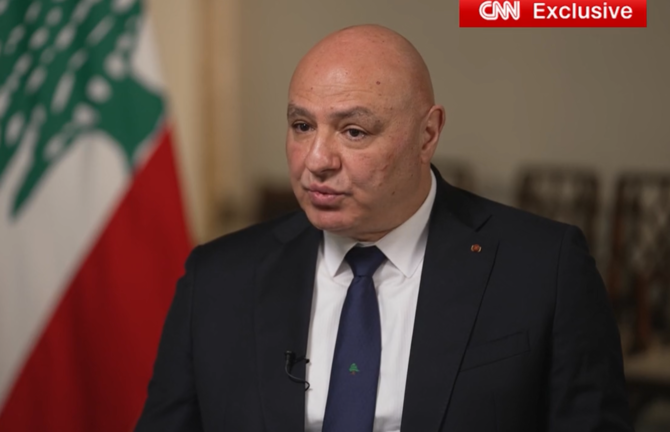
Lebanese President Joseph Aoun strongly condemned Iran's position, stating that Tehran's interference was unacceptable. Aoun declared, "It’s not your job to interfere into our country. I reject the statement totally because our people (are) being killed, our houses being destroyed." His impassioned statement showed the profound frustration within Beirut regarding what it perceives as Iran's attempts to dictate Lebanon's foreign policy and security decisions. President Aoun further emphasized the need for Lebanon to control its own destiny and "to save what’s left" of the country's stability, noting the severe toll the conflict has taken on the nation's infrastructure and population. He made it clear that Lebanon's sovereignty must be respected and that its leaders are best placed to make decisions concerning the future and safety of its citizens.
Iran has reportedly demanded that any lasting truce in the region should extend to Lebanon, a condition that Lebanese officials view as a tactic to link their national security to broader Iranian geopolitical objectives. This demand comes as Israeli troops have seized approximately one-fifth of Lebanese territory, further complicating the prospects for a full and independent Lebanese ceasefire. The presence of Israeli forces occupying such a significant portion of Lebanese land adds another layer of complexity to any peace negotiations, making a full Israeli withdrawal a central demand for many Lebanese factions. The Lebanese government views Iran's insistence on a broader regional truce as an attempt to leverage Lebanon's precarious position for its own strategic gains, rather than genuinely prioritizing Lebanese stability. This perspective notes the deep divisions and external pressures influencing Lebanon's attempts to navigate the ongoing conflict.
Escalating Conflict and Civilian Toll
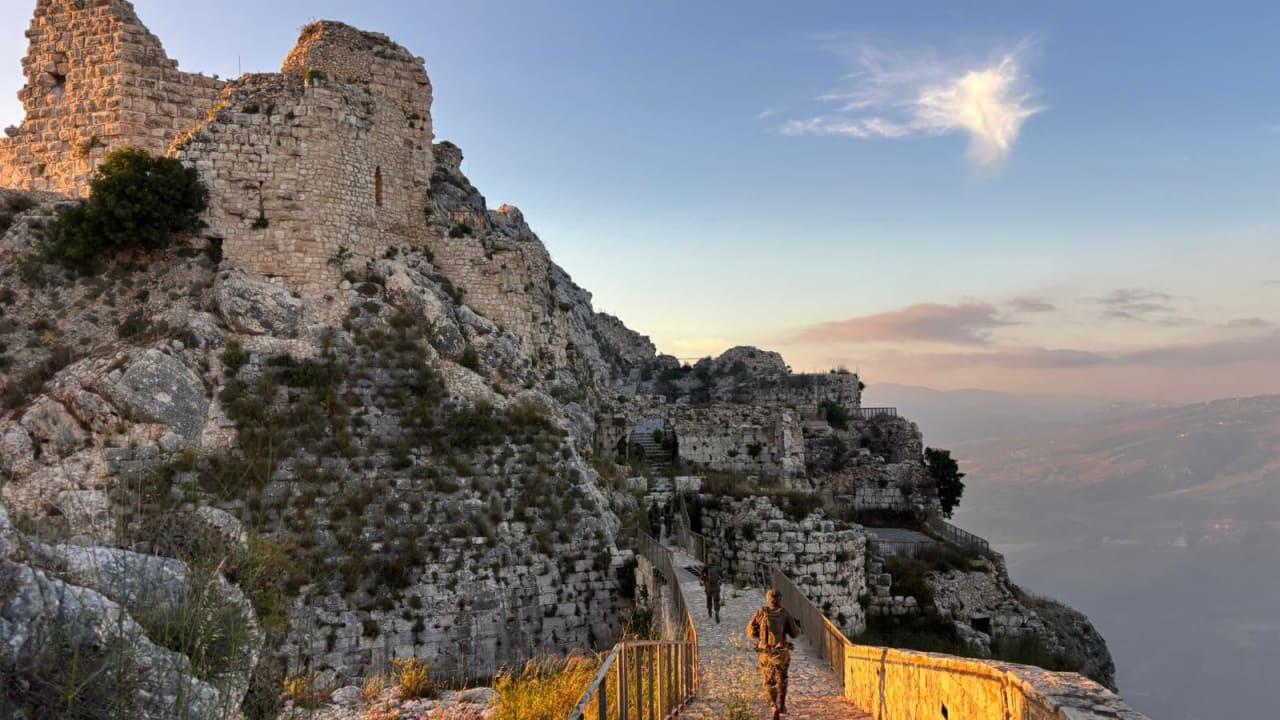
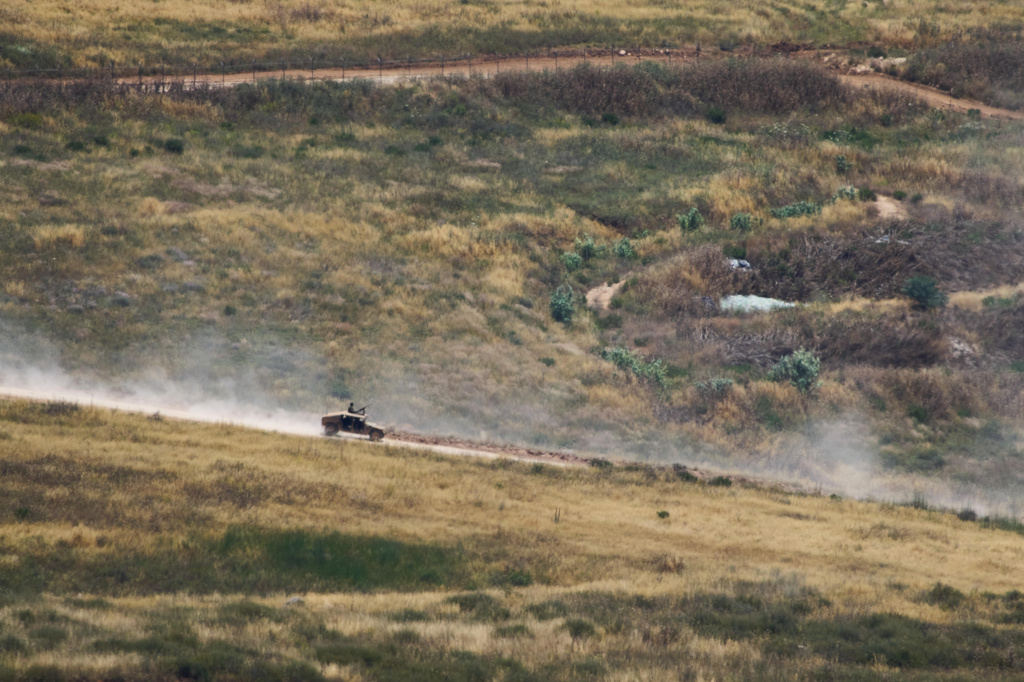
The Israeli military conducted strikes across multiple parts of southern Lebanon on Friday, marking a continuation of intense hostilities. Reports indicated that evacuation warnings were issued for nine villages in the region, urging residents to leave their homes as military operations intensified. These warnings reflect the severe risk to civilian populations caught in the crossfire. The conflict between Israel and Hezbollah began in early March, according to reports, rapidly escalating into a devastating confrontation. The strategic Beaufort castle, a historical landmark, was recently captured by Israel, signifying a notable territorial gain for Israeli forces in the southern Lebanese landscape.
Since the war began in early March, more than 3,500 people have been killed in Lebanon, a stark indicator of the conflict's human cost. On the Israeli side, at least 29 soldiers and three civilians have died in the fighting, showing the casualties sustained by both sides. The scale of displacement is also immense, with thousands forced to abandon their homes. On Friday, the Israeli military issued new evacuation warnings for the village of Anqoun and the area of Aarnaya, where approximately 2,500 individuals displaced by the conflict had been seeking shelter. These repeated evacuations exacerbate the humanitarian crisis, leaving large populations vulnerable and without stable housing. The constant threat of strikes and the need to relocate frequently have severely disrupted daily life and created immense hardship for communities in southern Lebanon.
US Actions and Regional Tensions
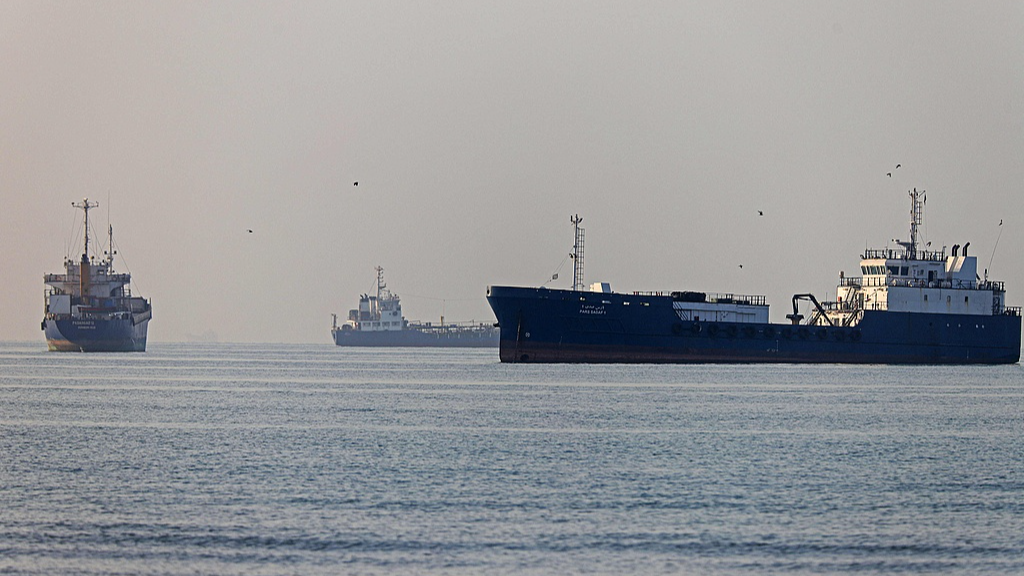
The U.S. Military boarded a sanctioned oil tanker linked to Iran in the Indian Ocean on Friday, according to reports, an action that signals a strong enforcement of international sanctions. This significant move occurred as the U.S. Navy also imposed a blockade of Iran's ports, aiming to severely restrict the country's maritime trade and economic lifelines. The series of events shows escalating tensions between Washington and Tehran, reflecting a period of heightened confrontation. These maritime operations are part of a broader strategy by the United States to exert maximum pressure on the Iranian regime, particularly in response to its regional activities and nuclear program.
In a related development, the Treasury Department targeted Iran's energy sector with new sanctions on Friday. These measures aim to restrict Iran's ability to fund its regional activities and oil trade, which are critical sources of revenue for the Iranian government. The sanctions are part of a broader U.S. Strategy to exert economic pressure on Iran, particularly concerning its involvement in regional conflicts and its nuclear program, which the U.S. And its allies view with deep suspicion. The U.S. Has consistently expressed concerns about Iran's support for various proxy groups across the Middle East, which it claims destabilizes the region and fuels ongoing conflicts. These groups, including Hezbollah in Lebanon, are seen by Washington as instruments of Iranian influence that undermine regional security.
The boarding of the oil tanker in the Indian Ocean and the blockade of ports by the U.S. Navy represent direct operational moves to enforce these sanctions and curb Iran's maritime activities, particularly its oil exports. These actions come amid a period of heightened scrutiny of Iran's role in conflicts spanning from Lebanon to other parts of the Middle East, including the Red Sea, where Iranian-backed groups have also been active. The U.S. Has maintained that its actions are aimed at deterring what it describes as Iran's malign influence and ensuring maritime security in vital international waterways, critical for global trade and energy supplies. The strategic implications of these U.S. Actions are broad, potentially impacting global oil markets and further isolating Iran on the international stage.
Calls for Full Truce
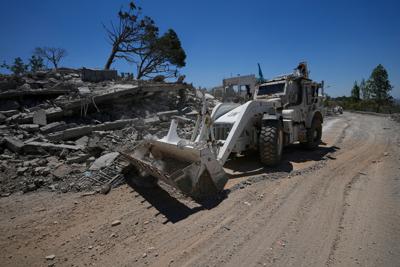
Hezbollah, a powerful Lebanese political party and militant group backed by Iran, has rejected the proposed ceasefire deal, demanding a complete Israeli withdrawal from Lebanon as a precondition for any lasting peace. This stance aligns with Iran's position and notes the complex web of allegiances and demands shaping the conflict. Lebanese Parliament Speaker Nabih Berri, a prominent political figure, emphasized the need for a "complete and full" ceasefire, showing the desire for a cessation of hostilities that leaves no room for continued conflict. Berri added that such a truce should apply "without any exceptions for land, sea or air, and 'without bulldozing and demolishing everything that exists,'" a clear reference to the extensive destruction caused by the fighting and the need for a full cessation of all military activities. His statement reflects a widespread Lebanese desire for a return to normalcy and reconstruction.
On Thursday, Israeli troops withdrew from Dibbine village in southeast Lebanon. This marked the first instance of Israeli forces exiting an area since the current conflict between Israel and Hezbollah began in early March, offering a glimmer of hope amidst the ongoing violence. The withdrawal from Dibbine occurred as calls for a broader cessation of hostilities intensified, with many regional and international actors pushing for de-escalation. While a significant development, the withdrawal from a single village does not fulfill the demands for a complete Israeli withdrawal from all Lebanese territory, as advocated by Hezbollah and other Lebanese factions. The complexity of achieving a lasting peace is further compounded by the various actors involved and their divergent interests, making the path to a full truce challenging but urgent.