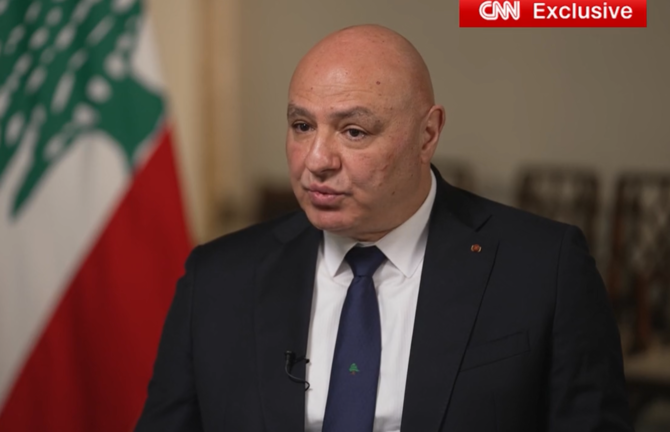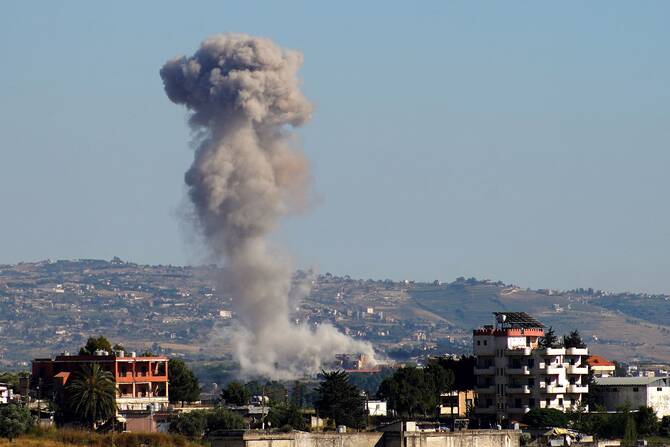
Lebanon's president and prime minister have criticized Iran for rejecting the most recent ceasefire agreement between the Lebanese government and Israel. The criticism comes as Israel continued its military operations in southern Lebanon. An airstrike struck the Qlaileh village on Tuesday, June 2, 2026, amid ongoing hostilities. These continued strikes are part of a broader pattern of military engagement that has characterized the region since Israel invaded Lebanon in March, an invasion that occurred in parallel with the ongoing Iran war. The Lebanese leadership's frustration stems from the belief that Iran's rejection is complicating efforts to de-escalate a conflict that has had severe humanitarian and economic consequences for their nation.
Israeli Defence Minister Israel Katz affirmed that Israeli forces would not withdraw or cease operations in Lebanon. Katz's statement showed the military's intent to maintain its presence and activities in the region despite the proposed ceasefire. This resolute stance from Israel further illustrates the challenges faced by mediators attempting to broker a lasting peace. Reports indicated that Lebanon's leaders expressed their disapproval of Iran's stance, suggesting that the rejection complicated efforts to de-escalate the conflict and prolonged the suffering of Lebanese citizens caught in the crossfire. The ongoing military actions, including the aforementioned airstrike on Qlaileh village, highlight the persistent tension and violence in the area. The Lebanese government views Iran's position as leveraging Lebanon's security for its own strategic objectives, effectively treating the nation as a "bargaining chip" in its wider geopolitical struggles.
Hezbollah's Stance and Negotiations
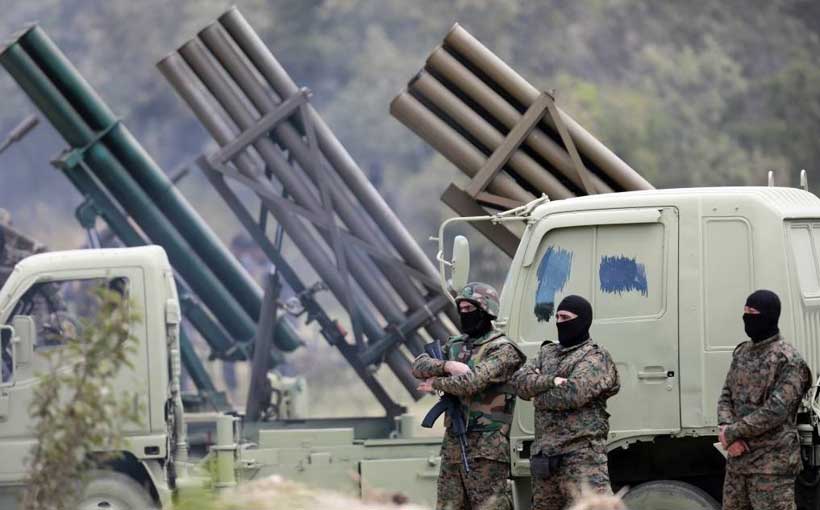
Hezbollah, through its leader Naim Qassem, rejected a U.S.-brokered agreement between Israel and the Lebanese government aimed at halting the fighting. Qassem stated that "resistance will continue," even as reports indicated Hezbollah had not been party to the negotiations for the proposed pact. This rejection by a key non-state actor in Lebanon further complicated the already fragile peace process. U.S. President Donald Trump told reporters he believed progress was being made in Lebanon, despite the continued hostilities. Trump observed the conflict had been ongoing "for a long time, you know," and described U.S.-arranged ceasefires as involving "shooting in a more moderate manner," rather than a complete cessation of hostilities. This characterization by President Trump suggested a pragmatic, albeit limited, approach to de-escalation, acknowledging the difficulty of achieving a full halt to fighting given the entrenched positions of the various parties.
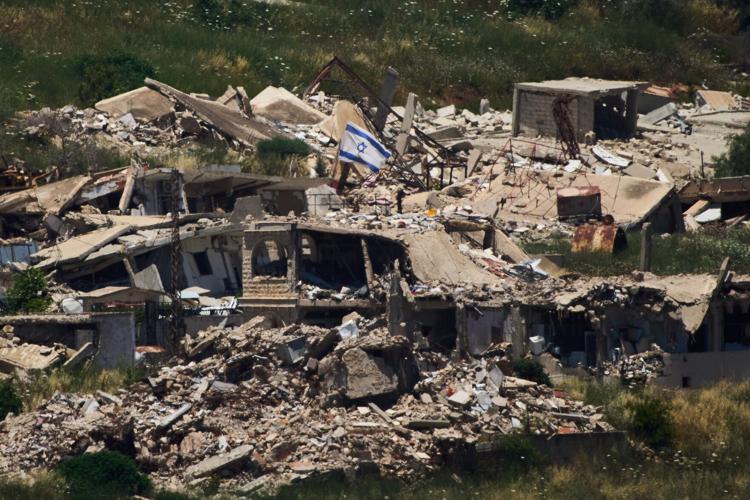
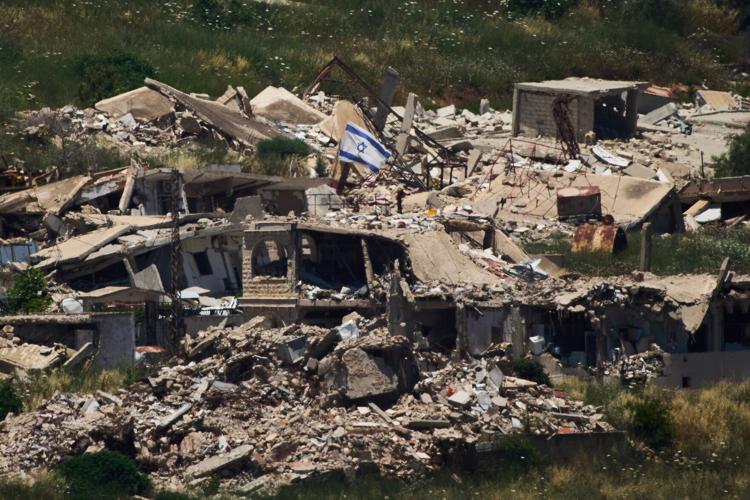
Trump also commented on the situation, saying, "I don't think they could stop us if we wanted, but there's no reason to. It's entombed." This statement, while somewhat cryptic, implied a certain level of confidence in the U.S. Position and a recognition of the deeply rooted nature of the conflict. Despite the ongoing conflict and the stated intentions of various parties to continue military operations, global oil prices reportedly fell by approximately 3% on hopes that a Lebanon ceasefire could facilitate a diplomatic resolution between Washington and Iran. This market reaction suggested an anticipation of de-escalation in broader regional tensions, indicating that financial markets are closely monitoring the situation for any signs of a breakthrough. Meanwhile, an Israeli flag was observed hanging on a destroyed building in southern Lebanon, as seen from northern Israel, on Thursday, June 4, 2026. This visual served as a stark reminder of the physical devastation wrought by the conflict and the continued presence of Israeli forces in the area.
Broader Regional Conflict Context
Israel initiated an invasion of Lebanon in March, coinciding with the broader conflict involving Iran. This period has seen escalating tensions across the region, with Iranian and U.S. Forces engaging in exchanges in the Gulf on Wednesday. These direct confrontations show the widespread nature of the conflict, extending far beyond the immediate borders of Lebanon. During one such incident, Iranian forces launched a strike on Kuwait's airport, resulting in the death of one individual and injuries to more than 60 others. This attack on a civilian target noted the indiscriminate nature of some of the hostilities and the risk posed to non-combatants. In response, the U.S. Military conducted strikes near the Strait of Hormuz, a critical maritime chokepoint. The retaliatory strikes signal the U.S.'s commitment to protecting its interests and allies in the region, further escalating the cycle of violence. Further regional instability was marked by an alleged drone attack in Oman, which caused an explosion and forced the suspension of oil loading operations at the Mina al Fahal terminal. This incident in Oman demonstrated the vulnerability of critical infrastructure to such attacks and the potential for significant disruptions to global energy supplies.
The Strait of Hormuz, key for global energy markets, typically handles a fifth of the world's oil and liquefied natural gas supplies. However, it has been largely closed since the war commenced three months earlier, significantly impacting international trade and global energy security. The closure of this vital waterway has had ripple effects across the global economy, contributing to uncertainty and volatility in energy markets. This closure has contributed to a substantial decline in Iran's oil exports, which have fallen to their lowest levels in six years. The economic pressure on Iran, exacerbated by the closure of the Strait and international sanctions, is a significant factor in the broader geopolitical landscape. Amidst these developments, the U.S. House of Representatives voted to block President Donald Trump from continuing the war, signaling domestic political pressure regarding the ongoing military engagements and a growing desire within the U.S. For a resolution to the protracted conflict. This vote reflects concerns within the U.S. Government about the costs and implications of continued military involvement in the region.
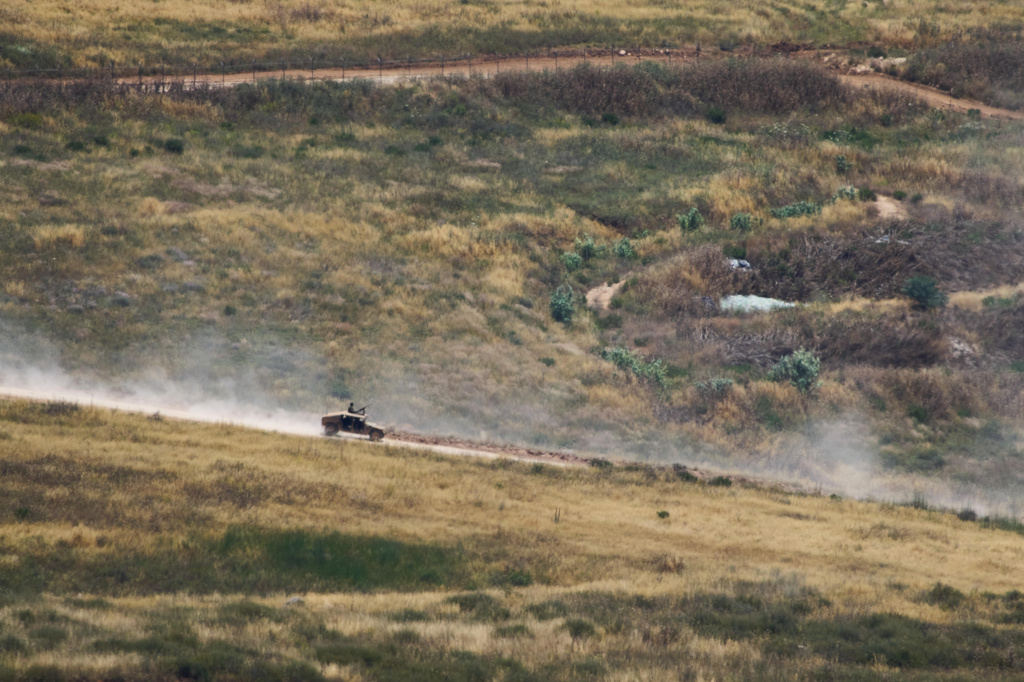
The conflict's reach has been extensive, with residents in Gaza, northern Israel, and Kuwait all experiencing attacks this week, showing the widespread impact of the hostilities and the interconnectedness of security challenges across the Middle East. The suffering of civilians in these diverse locations paints a grim picture of the human cost of the ongoing war. On Friday, June 5, 2026, Spanish U.N. Peacekeepers deployed at a road in Dibbine village, located in southeast Lebanon. This deployment occurred a day after Israeli forces withdrew from the area following intense clashes with Hezbollah fighters. The presence of international peacekeepers notes the international community's efforts to stabilize the region and protect civilian populations, even as fighting continues. Hezbollah's leader Naim Qassem previously asserted that "resistance will continue," a position that aligns with the continued military activity in southern Lebanon despite international efforts towards de-escalation. The ongoing presence of international forces and continued clashes highlight the complex and volatile nature of the regional conflict, with various actors pursuing their own objectives, often at cross-purposes with peace efforts. A view of Beaufort Castle, located in southeast Lebanon, was observed on Friday, June 5, 2026, offering a visual of the conflict-affected region and the historical significance of the areas now experiencing intense fighting.
Iran's Demands and Nuclear Program
Iran has conditioned any peace deal with Washington on a ceasefire in Lebanon, according to reports. This linkage shows Iran's strategic use of the Lebanese conflict as leverage in its broader negotiations with the United States. The commander of Iran's Revolutionary Guards Quds Force stated that Israel must, at a minimum, withdraw to the positions it held before the war began. This demand sets a clear precondition for any de-escalation, indicating Iran's insistence on a return to the pre-conflict status quo as a basis for peace. Supreme Leader Ayatollah Mojtaba Khamenei claimed that Iran's enemies had already been defeated on the battlefield and were now attempting to sow internal divisions. This rhetoric from the highest levels of Iranian leadership suggests a narrative of victory and resilience, even amidst regional turmoil and economic pressure. Ayatollah Mojtaba Khamenei succeeded his father, who was killed in an airstrike at the start of the current conflict, adding a personal dimension to the leadership's stance and potentially hardening their resolve.
Tehran's demands extend to economic concessions, including access to billions of dollars in oil revenue and waivers on sanctions on crude exports. These economic conditions are critical for Iran, which has seen its oil exports significantly curtailed by sanctions and the closure of the Strait of Hormuz. Iran also seeks a lifting of a U.S. Blockade on its ports and leverage over the Strait of Hormuz. Gaining control or significant influence over the Strait of Hormuz would provide Iran with substantial strategic and economic power, given its importance to global energy markets. Despite these full and broad conditions, U.S. President Donald Trump stated that Washington did not need a deal with Iran to obtain enriched uranium from the country. This assertion by President Trump could be interpreted as a dismissal of Iran's leverage regarding its nuclear program, suggesting that the U.S. Believes it has alternative means or is not dependent on Iranian cooperation for its enriched uranium needs.
The U.N. Nuclear watchdog reported that Iran's nuclear program remained largely unchanged, despite three months of ongoing warfare. This assessment by the international body indicates that the conflict has not significantly altered the trajectory of Iran's nuclear activities, a point of ongoing concern for many international actors. The stability of Iran's nuclear program, even amidst intense regional conflict and economic pressure, suggests a consistent and determined national policy. Meanwhile, a view of Beaufort Castle, located in southeast Lebanon, was observed on Friday, June 5, 2026, offering a visual of the conflict-affected region. The enduring presence of such historical landmarks amidst contemporary conflict serves as a poignant reminder of the long and often turbulent history of the Middle East, where ancient sites bear witness to modern struggles for power and peace. The complexity of the demands from various parties, coupled with ongoing military actions and the humanitarian toll, shows the immense challenges facing any efforts to bring a lasting resolution to the multifaceted conflict in the region.