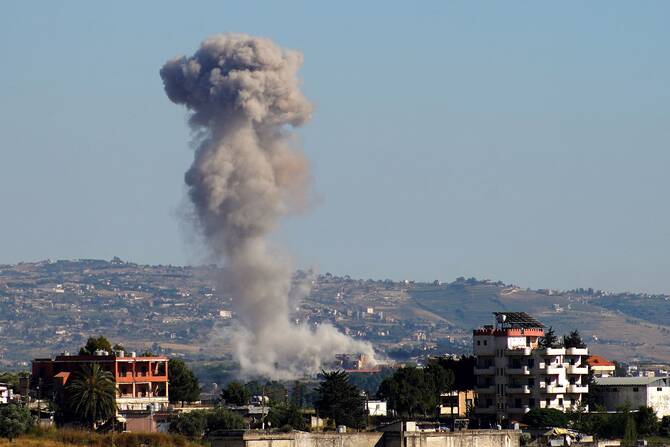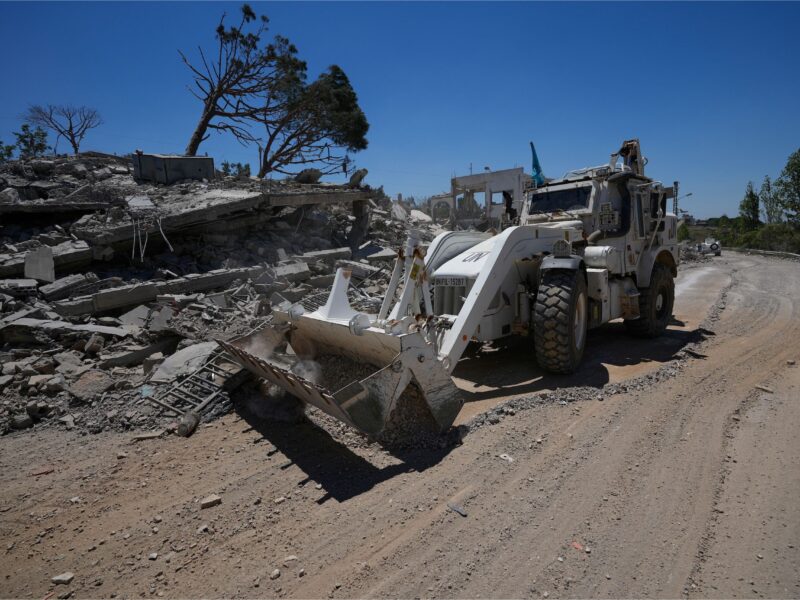
Intensified cross-border hostilities between Israel and Lebanon on Friday, June 5, 2026, resulted in nine fatalities across six locations in southern Lebanon, following Israeli military strikes. The Israeli military struck multiple parts of southern Lebanon on that day, leading to these casualties and further escalating regional tensions. The ongoing conflict has claimed over 3,500 lives in Lebanon since its inception in early March. This significant loss of life shows the devastating impact of the hostilities on the Lebanese population. Israeli military operations prompted evacuation warnings for residents in nine villages across southern Lebanon, as fighting continued to rage along the border. These warnings reflect the immediate threat posed to civilian populations in the affected areas, forcing many to leave their homes for safety. On the Israeli side, the fighting has also exacted a heavy toll, with fatalities including at least 29 soldiers and three civilians. These figures highlight the reciprocal nature of the conflict and the human cost borne by both nations. The persistent violence and the rising death toll on both sides illustrate the urgent need for de-escalation and a lasting resolution to the conflict.
Lebanese Leaders Condemn Iran's Stance
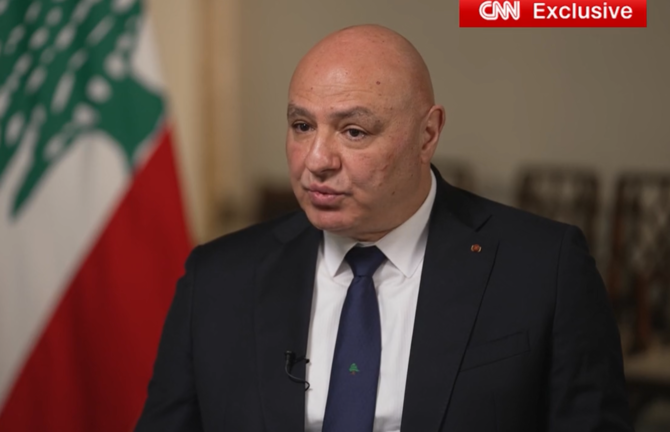
Lebanon’s President Joseph Aoun and Prime Minister Nawaf Salam criticized Iran on Friday for its opposition to the latest ceasefire deal between the Lebanese government and Israel. This unified condemnation from the highest levels of Lebanese leadership signals deep concern over perceived external interference in the nation's sovereign affairs. President Aoun specifically criticized a statement from Iran's Revolutionary Guard regarding the ceasefire, expressing strong disapproval of its content and implications. "It’s not your job to interfere into our country. I reject the statement totally because our people (are) being killed, our houses being destroyed," President Aoun stated emphatically. His words conveyed a clear message that Lebanon's internal affairs and the welfare of its citizens should not be dictated by foreign powers, especially when its people are suffering. The President's direct rebuke of Iran's stance shows a growing sentiment within Lebanon that its national interests must take precedence over regional power dynamics.
Prime Minister Salam, echoing the President's sentiments, called on the Lebanese people to prioritize their country's interests above all else. He asserted that Lebanon "should not remain a battlefield for others," a powerful statement emphasizing the desire for national self-determination and an end to proxy conflicts on Lebanese soil. Salam also stated that Iran "should stop dealing with southern Lebanon and its people as 'a bargaining chip to improve the conditions of its negotiations.'" This remark indicated that Lebanon should not be used by Iran as a "bargaining chip" in its discussions with Washington, specifically referring to the broader geopolitical negotiations between Iran and the United States. The Prime Minister's comments show a growing sentiment among Lebanese leadership that the nation's sovereignty and the welfare of its citizens should not be subservient to external political agendas. The unified condemnation from both the President and Prime Minister notes the depth of concern within Beirut over perceived Iranian interference in Lebanese affairs, particularly concerning regional peace efforts and the country's stability. Their statements collectively represent a significant diplomatic pushback against external influence, asserting Lebanon's right to chart its own course towards peace and security.
Hezbollah's Demands and Regional Tensions
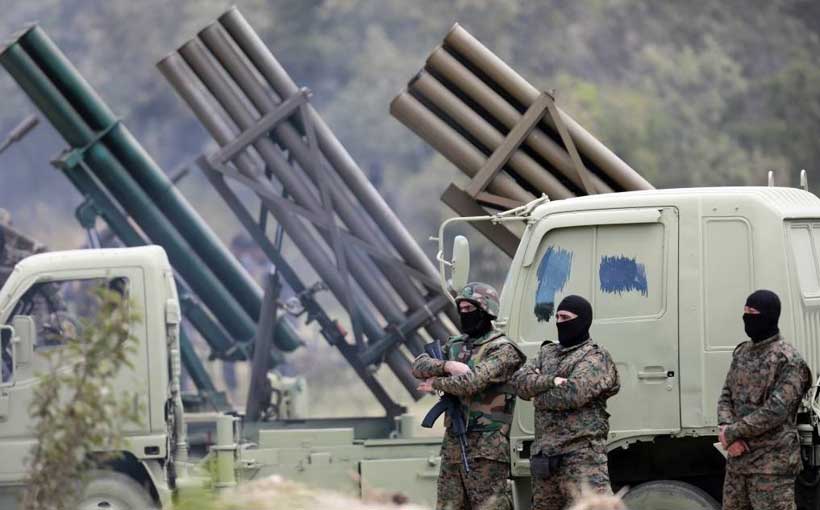
The Iranian-backed Hezbollah militant group rejected the ceasefire deal, demanding a complete Israeli withdrawal from Lebanon. This rejection aligns closely with the stated positions of its primary backer. Prior to this, Iran's paramilitary Revolutionary Guard had issued a statement Thursday, vowing that "there will be no calm in the region" if Israel does not withdraw its troops from Lebanon. The Revolutionary Guard's statement specifically said, "there will be no calm in the region if the Zionists don’t withdraw from occupied Lebanese territories," using strong and unequivocal language to convey its position. These statements came as a U.S.-brokered agreement, reached Wednesday in Washington, sought to pull Lebanon away from Iran's sphere of influence and de-escalate the conflict. The Revolutionary Guard’s categorical rejection of any peace without a full Israeli withdrawal directly undermines international efforts to stabilize the volatile border region.
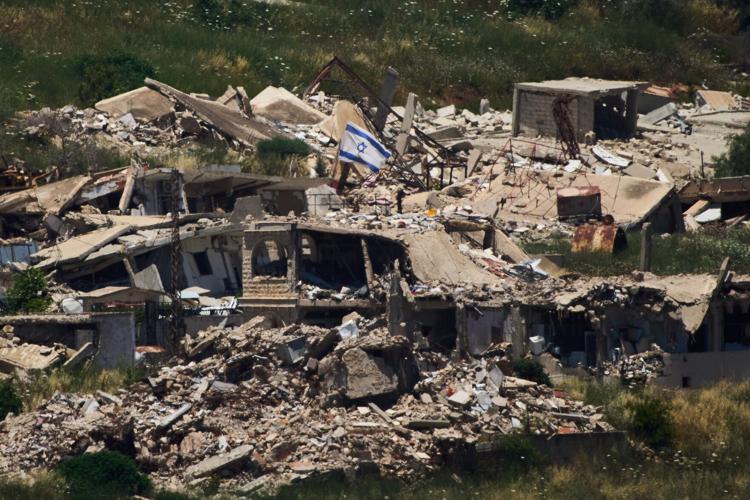
Reports indicated that Israeli troops have pushed far past the Litani River into southern Lebanon, a strategic area that has historically been a flashpoint. According to officials, Israeli forces have seized around a fifth of Lebanon, a substantial territorial gain that has profound implications for the country's sovereignty and future stability. This significant military advance by Israeli forces forms a critical backdrop to the current diplomatic efforts and the rejection of the ceasefire. The Revolutionary Guard's stance, therefore, shows a regional dynamic where Hezbollah's demands are closely aligned with Iranian policy regarding Israeli military presence in Lebanese territory. The ongoing military operations and subsequent territorial gains by Israeli forces fuel the rejection of any ceasefire not predicated on a full withdrawal, as both Iran and Hezbollah view these advances as a direct challenge to Lebanese sovereignty and regional power balance. This ongoing situation complicates efforts to de-escalate tensions and secure a lasting peace in the border region, as the demands for withdrawal clash with the realities of the current military occupation. The deep entrenchment of Israeli forces in southern Lebanon creates a significant hurdle for any ceasefire agreement that does not explicitly address the issue of territorial control.
Escalating Conflict and Diplomatic Efforts
American forces boarded a sanctioned oil tanker linked to Iran in the Indian Ocean on Friday, June 5, 2026, marking a significant escalation in the ongoing pressure campaign against Tehran. This action came as the United States had brokered a ceasefire agreement with Lebanon and Israel on Wednesday in Washington, aiming to de-escalate regional tensions and bring an end to the cross-border hostilities. The U.S. Navy has reportedly imposed a blockade of Iran’s ports, further intensifying economic and military pressure on Tehran, indicating a multi-pronged approach by Washington to curb Iran's regional activities and its support for proxies. This naval blockade represents a severe measure designed to disrupt Iran's maritime trade and exert economic leverage.
Reports indicated that the U.S. Also targeted Iran’s energy sector on Friday with new sanctions. These sanctions were imposed on a group of individuals, firms, and tankers, signaling a broad approach to curtailing Iran's financial activities and its ability to fund its regional agenda. The U.S. Treasury Department announced these new measures, stating they were part of an ongoing effort to disrupt Iran's illicit financial networks. The actions by American forces and the Treasury Department reflect an ongoing strategy to exert economic and military pressure on Iran, particularly following the recent ceasefire efforts, which Iran and its proxies have rejected. These measures are clearly designed to increase the cost for Iran of its current foreign policy and its continued opposition to regional stabilization.
Meanwhile, Israeli troops withdrew from Dibbine village on Thursday, June 5, 2026, offering a glimmer of hope amidst the widespread conflict. The withdrawal occurred after the war in Lebanon began in early March, marking a significant development in the ground conflict and potentially indicating a willingness to de-escalate in specific areas. This move, however, contrasted sharply with other reports that indicated Israeli forces had pushed far past the Litani River and seized a substantial portion of Lebanese territory in other areas, suggesting a complex and inconsistent pattern of military movements. The withdrawal from Dibbine could be interpreted as a tactical repositioning or a localized de-escalation, but it does not negate the broader pattern of Israeli territorial gains. The diplomatic efforts and military maneuvers unfold against a backdrop of continued hostility and strategic actions by various regional and international actors, each vying for influence and security in a deeply fractured region. The conflicting reports of withdrawals and advances highlight the fluid and unpredictable nature of the conflict, making a lasting peace agreement all the more challenging to achieve. The international community continues to watch these developments closely, hoping for a breakthrough that could lead to a sustained cessation of hostilities and a pathway to a more stable future for Lebanon and the wider region.